The Post-Wash Routine That Helps Hair Look Healthier All Week
We understand that the moments immediately following a hair wash are the most critical for determining the longevity, luster, and structural integrity of your strands. While the cleansing process removes impurities, it is the post-wash ritual that seals in hydration and defends against environmental aggressors. Most individuals struggle with hair that looks spectacular on "day one" but quickly loses its vitality, becoming parched or frizzy by midweek.
Our comprehensive guide delves into the sophisticated techniques and product applications required to maintain a salon-quality appearance for seven days. By shifting the focus from the wash itself to the aftercare protocol, we can transform the way hair behaves, ensuring it remains resilient, manageable, and visibly healthy until the next cleansing cycle.
Understanding the Biological Vulnerability of Wet Hair
Image 1: A high-resolution close-up showing the microscopic structure of a hair cuticle, illustrating how water causes the shaft to swell. The text overlay reads: "Hair Fiber Integrity."
To implement a successful post-wash routine, we must first acknowledge the biological state of wet hair. When hair is saturated with water, the hydrogen bonds—which provide hair with its temporary shape and strength—are broken. This makes the hair shaft significantly more elastic and prone to mechanical damage. Furthermore, the cuticle layer, the outermost protective shield of the hair, swells and lifts when wet.
In this state, any aggressive handling, such as vigorous towel drying or improper brushing, can lead to cuticle abrasion and permanent structural weakening. We advocate for a philosophy of "gentle intervention." Every step taken while the hair is damp must prioritize the preservation of the cortex and the smoothing of the cuticle. When we treat wet hair with the requisite delicacy, we lay the foundation for a frizz-free finish that lasts throughout the week. The goal is to transition the hair from a vulnerable, swollen state to a sealed, dry state with as little friction as possible.
Mastering the Art of Microfiber Drying and Detangling
Image 2: A woman gently squeezing her hair with a charcoal-colored microfiber towel rather than rubbing it. The text overlay reads: "Friction-Free Drying."
The traditional method of rubbing hair with a standard cotton terry cloth towel is one of the most detrimental habits in modern hair care. Standard towels have large, looped fibers that snag on the lifted cuticles of wet hair, causing micro-tears and inducing frizz. We recommend the exclusive use of microfiber towels or high-quality silk wraps. These materials are designed to absorb moisture through capillary action without the need for mechanical friction.
Once the excess moisture has been blotted away—never wrung—the detangling process begins. We emphasize the use of a wide-tooth comb or a specialized detangling brush designed for wet hair. Starting from the ends and working upward toward the roots prevents the formation of "tension knots," which lead to breakage. By applying a lightweight detangling primer before this step, we provide the necessary "slip" to ensure the tool glides through the strands. This minimizes the stress placed on the hair bulb and ensures that the hair retains its natural density and volume.
The Strategic Application of Leave-In Treatments and Serums
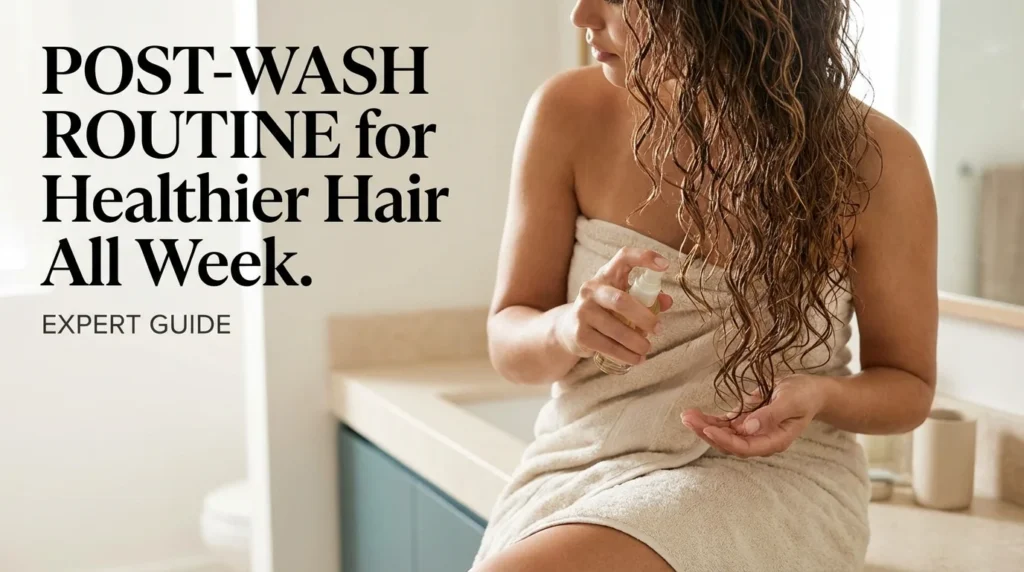
Image 3: A hand dispensing a pearl-sized amount of golden hair oil, highlighting the texture of a premium serum. The text overlay reads: "Nutrient Sealing."
The "golden window" for product absorption occurs while the hair is still damp. As the hair dries, the cuticle begins to close; if we have not already introduced nourishing lipids and proteins, we miss the opportunity to lock them inside the hair shaft. We suggest a tiered approach to product application based on hair porosity. For those with high-porosity hair, a heavier cream-based leave-in conditioner followed by a sealing oil is essential. For fine or low-porosity hair, a nutrient-dense spray is often sufficient to provide protection without weighing the hair down.
The focus should be on the mid-lengths and ends, which are the oldest and most fragile parts of the hair. By introducing ceramides and amino acids during this stage, we reinforce the hair's internal structure. This step is not merely about aesthetic shine; it is about hydrophobic protection. By coating the hair in a protective lipid layer, we prevent external humidity from penetrating the shaft later in the week, which is the primary cause of mid-week frizz and "poofiness."
Advanced Drying Strategies: Balancing Heat and Health
Image 4: A professional ionic hair dryer with a nozzle attachment focused on a section of hair being pulled taut with a round brush. The text overlay reads: "Controlled Heat Styling."
The debate between air drying and blow drying is nuanced. While excessive heat is undeniably damaging, prolonged moisture in the hair can cause "hygral fatigue," where the hair swells and contracts repeatedly, weakening the fiber over time. We recommend a hybrid approach. Allow the hair to air dry to approximately 70%, and then use a high-quality ionic hair dryer on a medium-cool setting to finish the process.
The use of a concentrator nozzle is non-negotiable. It allows us to direct the airflow downward, following the direction of the cuticle. This mechanical action "irons" the cuticle flat, resulting in a reflective shine that cannot be achieved through air drying alone. Before any heat is applied, a thermal protectant must be distributed evenly. This creates a sacrificial barrier that absorbs the thermal energy, preventing the denaturation of the hair's keratin proteins. A disciplined drying routine ensures the style is "set" in a way that resists environmental changes for days.
Scalp Care: The Foundation of Sustained Vitality
Image 5: A close-up of a glass dropper applying a clear scalp serum to a clean part in the hair. The text overlay reads: "Scalp Microbiome Health."
A post-wash routine is incomplete without addressing the scalp microbiome. The health of the hair that emerges in the future, as well as the volume of the hair you have now, depends on the state of the scalp. After washing, the scalp's natural oils have been stripped. While we focus on the ends of the hair for moisture, the scalp requires pH balancing and soothing.
We advocate for the application of a lightweight scalp serum containing ingredients like salicylic acid for exfoliation or peppermint oil for stimulation. Massaging these products into the scalp for three to five minutes improves blood circulation to the follicles. Furthermore, ensuring the scalp is thoroughly dried is vital. A damp scalp can become a breeding ground for bacteria and fungi, leading to irritation or dandruff that disrupts the "clean" feeling of your wash. By maintaining a balanced scalp environment, we ensure that the hair remains lifted at the root, preventing the premature greasiness that often prompts an unnecessary mid-week wash.
Shielding Hair from Environmental Stressors Mid-Week
Image 6: A woman walking through a sunny city street, her hair glowing, symbolizing protection against UV and pollution. The text overlay reads: "Environmental Defense."
Once the initial post-wash routine is complete, the challenge shifts to maintenance. Throughout the week, hair is subjected to UV radiation, oxidation, and urban pollution. These factors can dull the color and strip the moisture we worked so hard to instill. We suggest the use of a UV-protectant finishing spray or a dry conditioner. Unlike dry shampoo, which absorbs oil, a dry conditioner adds a microscopic layer of hydration to the surface of the hair, refreshing the shine without the need for water.
If you live in a high-humidity environment, a weather-shielding spray—often formulated with specialized polymers—can act as a "raincoat" for your strands. This prevents the hair from reverting to its natural texture when exposed to moisture in the air. We also recommend being mindful of mechanical stress during the week. Avoid tight hairstyles that cause "traction alopecia" or breakage around the hairline. Instead, opt for loose clips or silk ties that maintain the hair's shape without compromising its structural health.
The Overnight Protocol for Lasting Radiance
Image 7: A silk pillowcase and a silk sleep cap resting on a bed, signifying the importance of nighttime hair care. The text overlay reads: "Nocturnal Preservation."
The way we treat our hair during sleep is often the deciding factor in whether a wash lasts three days or seven. Friction against a standard cotton pillowcase causes micro-abrasions and sucks moisture out of the hair fibers overnight. We consider a 100% mulberry silk pillowcase an essential tool for anyone serious about hair health. Silk allows the hair to glide effortlessly, preventing the tangles and "bedhead" that require aggressive brushing the following morning.
For those with longer hair, we recommend the "pineapple" method or a very loose braid secured with a silk scrunchie. This keeps the hair contained and prevents it from being crushed under the weight of the body. Additionally, a small application of overnight hair bond-builder or a dry oil on the very tips of the hair can work wonders. While the body undergoes cellular repair during sleep, these products work to mend the day's wear and tear. By waking up with hair that is already smooth and detangled, we reduce the need for further heat styling or manipulation, effectively extending the life of the wash.
The Cumulative Impact of Professional Post-Wash Care
Consistency is the most powerful ingredient in any beauty regimen. When we commit to a sophisticated post-wash routine, we are not just styling our hair for the day; we are investing in its long-term resilience. By treating the hair as a delicate fiber that requires scientific understanding and gentle handling, we move away from the cycle of damage and repair.
The techniques outlined here—from the specific way we dry our strands to the products we choose to seal the cuticle—work in synergy to create a protective shield. This shield preserves the hair's internal moisture, maintains its protein structure, and reflects light for a brilliant, healthy glow. As we master these habits, we find that our hair requires less "fixing" and more "preserving," leading to a week of consistently beautiful, healthy-looking hair. This is the essence of high-end hair care: a proactive approach that honors the natural beauty of the hair through meticulous attention to detail.