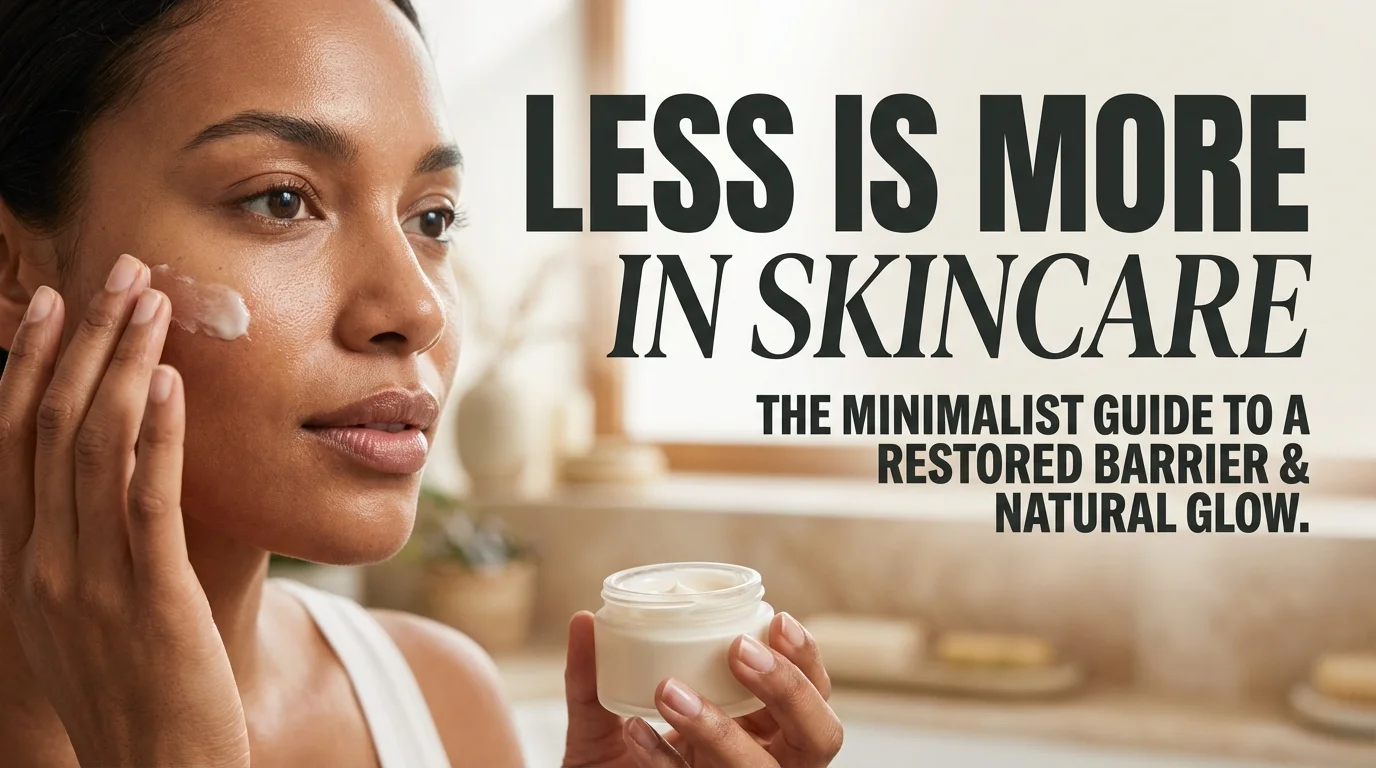
The Power of Minimalism: Why “Less” Often Works Better in Daily Skin Care
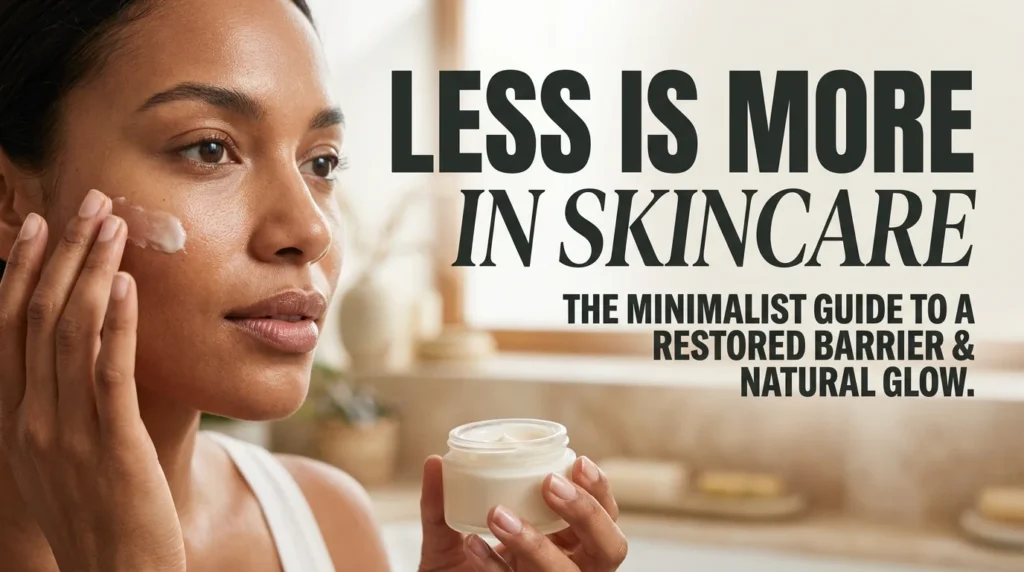
The beauty industry has long convinced us that a multi-step regimen is the only path to a flawless complexion. From the ten-step Korean beauty ritual to the endless array of "must-have" serums, toners, and essences, we have been conditioned to believe that more products equate to better results. However, we are witnessing a significant shift in the dermatological landscape. A movement toward skinimalism—the practice of simplifying one’s skincare routine—is proving that "less" is not just a trend, but a biological necessity for optimal skin health.
In our quest for perfection, we often overwhelm our skin’s natural ecosystem. By stripping back the layers and focusing on high-quality, essential ingredients, we allow our skin to perform its primary function: protection. We must recognize that the skin is a sophisticated, self-regulating organ. When we bombard it with an excess of active ingredients, we risk disrupting its delicate balance, leading to inflammation, sensitivity, and chronic irritation. This comprehensive guide explores why a minimalist approach is the superior strategy for maintaining a radiant and resilient complexion.
Understanding the Science of Skin Minimalism
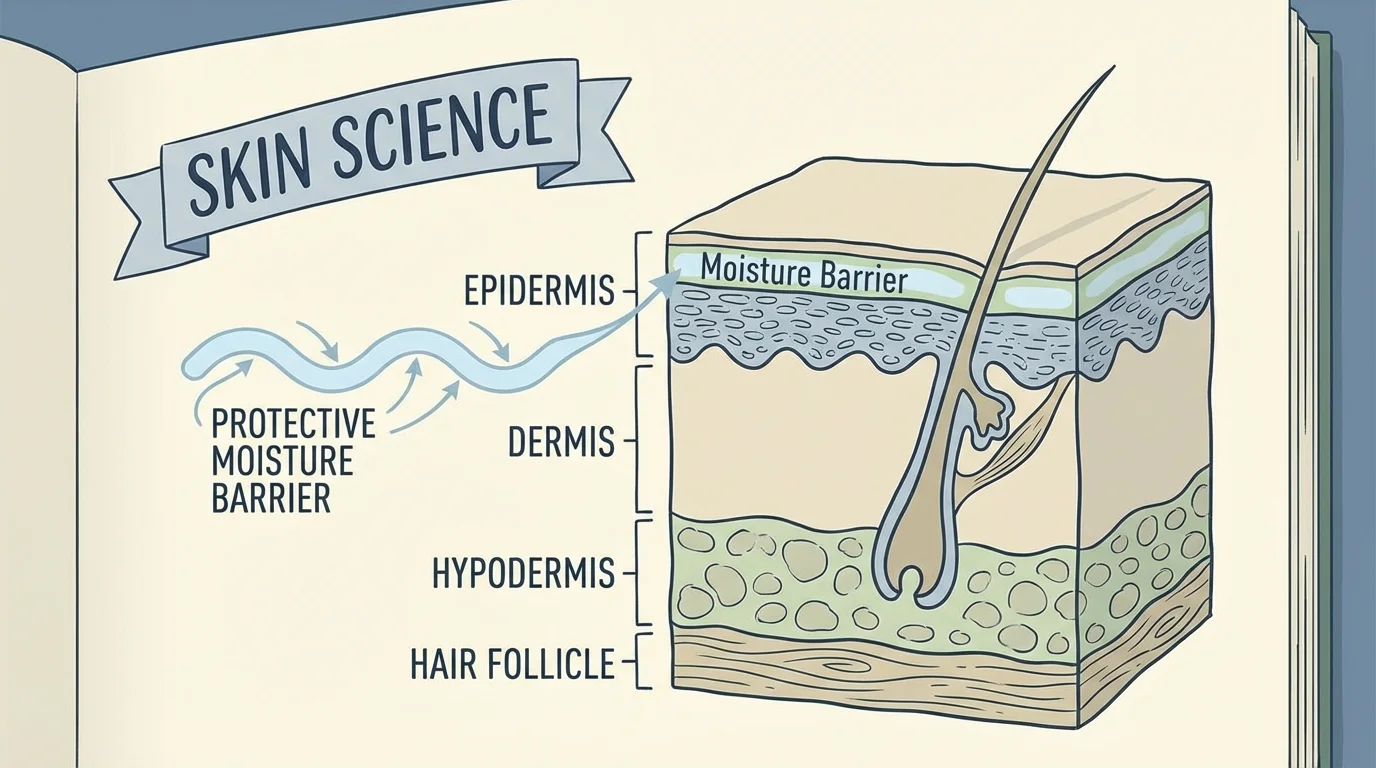
To appreciate why less is more, we must first understand the biological constraints of our skin. The stratum corneum, the outermost layer of the epidermis, serves as a barrier against environmental aggressors and prevents transepidermal water loss (TEWL). This barrier is composed of corneocytes held together by a lipid matrix of ceramides, cholesterol, and fatty acids. When we apply an excessive number of products, particularly those with different pH levels, we can inadvertently degrade this lipid matrix.
We have observed that many consumers use multiple "active" ingredients simultaneously, such as Vitamin C, Retinol, and Alpha Hydroxy Acids (AHAs). While these ingredients are beneficial individually, using them in tandem without proper guidance can lead to chemical interference. The skin can only absorb and process a certain amount of product at any given time. Anything beyond that threshold sits on the surface, potentially causing clogged pores or reacting with other products to create pro-inflammatory compounds. By adopting a minimalist mindset, we ensure that the products we do use are absorbed effectively and work in harmony with the skin’s natural rhythm.
Furthermore, the skin’s microbiome—the community of beneficial bacteria living on the surface—thrives on stability. Frequent changes in products or the application of harsh preservatives found in many skincare formulations can decimate these microbes. A simplified routine maintains a stable environment for the microbiome, which in turn helps to regulate immunity and prevent the overgrowth of pathogenic bacteria that cause acne and rosacea.
The Dangers of Over-Complicating Your Routine
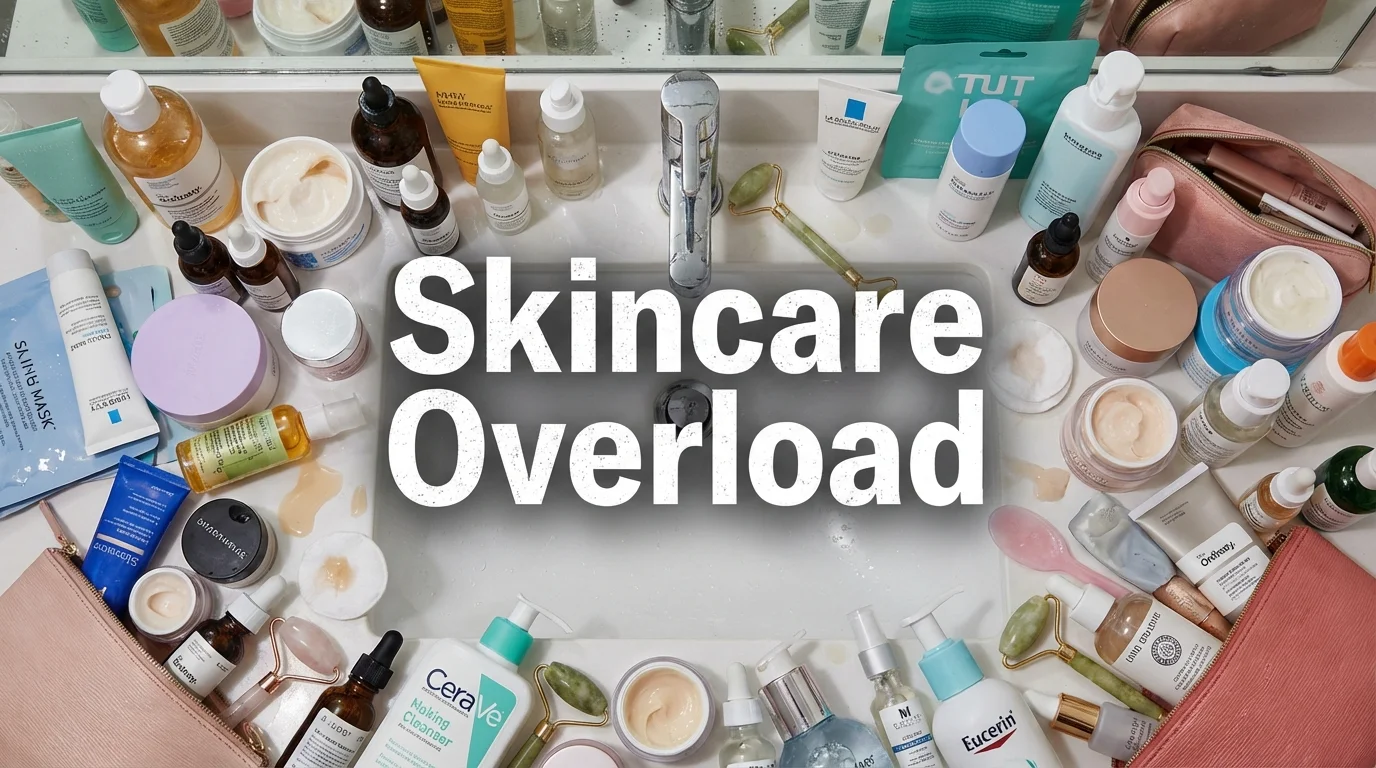
Over-complicating a daily routine often leads to a phenomenon we call "sensitized skin." This is distinct from having "sensitive skin" by nature; rather, it is an acquired condition where the skin becomes reactive due to external factors. When we use too many exfoliants or high concentrations of acids, we essentially "over-process" the skin. This leads to symptoms such as persistent redness, stinging, and a tight, shiny appearance that indicates the barrier has been thinned to a dangerous degree.
One of the most common mistakes we see is the misapplication of active ingredients. For instance, mixing benzoyl peroxide with certain retinoids can neutralize both, rendering them useless while still causing the irritation associated with both products. Similarly, using multiple products containing synthetic fragrances and alcohols increases the cumulative load of potential allergens on the skin. Every additional product in a routine represents another opportunity for a contact dermatitis reaction.
When the routine is too complex, it also becomes difficult to identify the culprit of a breakout or allergic reaction. By stripping the routine down to the absolute essentials, we regain control. We can monitor how our skin responds to specific ingredients and make adjustments based on real-time feedback from our complexion, rather than blindly following a rigid, multi-step protocol that may not suit our specific needs.
Preserving the Skin Barrier: The Foundation of Health

The skin barrier is the most critical component of dermatological health. If the barrier is compromised, no amount of expensive anti-aging serum will produce the desired results. We must prioritize barrier repair and maintenance above all else. A minimalist routine excels at this because it avoids the "strip and replenish" cycle that many complex routines perpetuate. Many people use a harsh, foaming cleanser that strips away natural oils, only to try and replace them with five different moisturizing steps.
We advocate for a strategy that focuses on gentle cleansing and deep hydration. By using a non-stripping, pH-balanced cleanser, we preserve the acid mantle, a thin film on the skin's surface that acts as the first line of defense against bacteria and viruses. When we keep the routine simple, we reduce the frequency of mechanical and chemical exfoliation, allowing the skin's natural desquamation process (the shedding of dead skin cells) to occur at its own healthy pace.
A healthy barrier is characterized by its ability to retain moisture. Ingredients like glycerin, squalane, and ceramides are staples of a minimalist routine because they mimic the skin's natural composition. When we provide the skin with exactly what it needs to seal in moisture—and nothing more—we see a visible reduction in fine lines and dullness. A resilient barrier is the secret to that coveted "lit-from-within" glow that no amount of highlighter can truly replicate.
Strategic Ingredient Selection: Quality Over Quantity
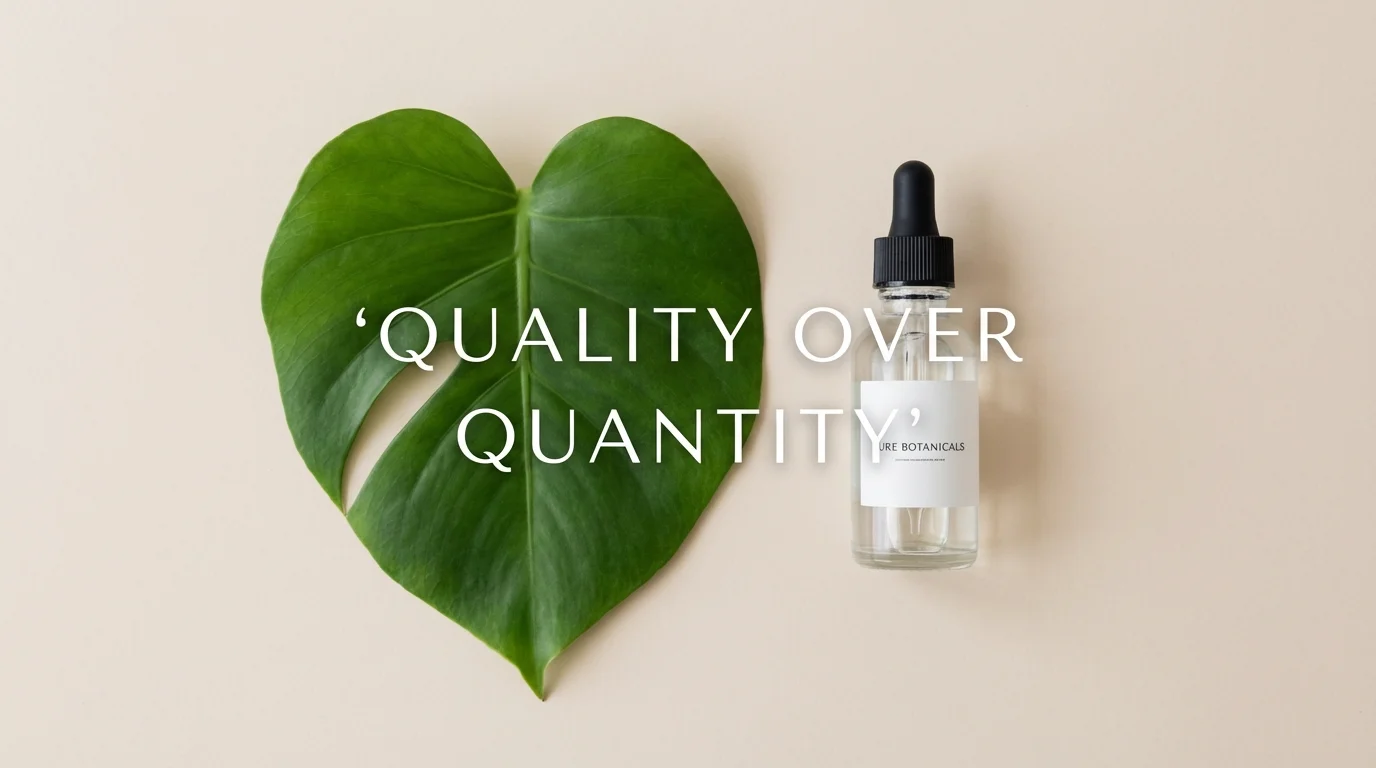
In a minimalist skincare paradigm, the focus shifts from the number of products to the potency and purity of the ingredients. We do not need a separate product for every minor concern; instead, we look for multi-functional ingredients that address several issues simultaneously. For example, Niacinamide (Vitamin B3) is a powerhouse in a minimalist routine. It helps regulate oil production, improves the appearance of pores, reduces redness, and strengthens the skin barrier. By choosing a single serum with a well-formulated concentration of Niacinamide, we can replace three or four other specialized products.
Another essential ingredient is broad-spectrum SPF. We cannot overstate the importance of sun protection as the ultimate minimalist anti-aging tool. Over 80% of visible skin aging is caused by UV radiation. By investing in a high-quality, elegant sunscreen that we enjoy wearing every day, we eliminate the need for corrective treatments later in life. We must view sunscreen not as an "extra" step, but as the primary preventative measure in our daily lives.
We also encourage the use of antioxidants, such as Vitamin C or Vitamin E, to neutralize free radicals from pollution and blue light. However, rather than having a complex antioxidant cocktail, we recommend finding one stable, effective formulation. When we select ingredients strategically, we ensure that every drop of product serves a defined purpose. We avoid "filler" ingredients and focus on what truly moves the needle for our skin's health and appearance.
How to Transition to a Minimalist Skincare Routine

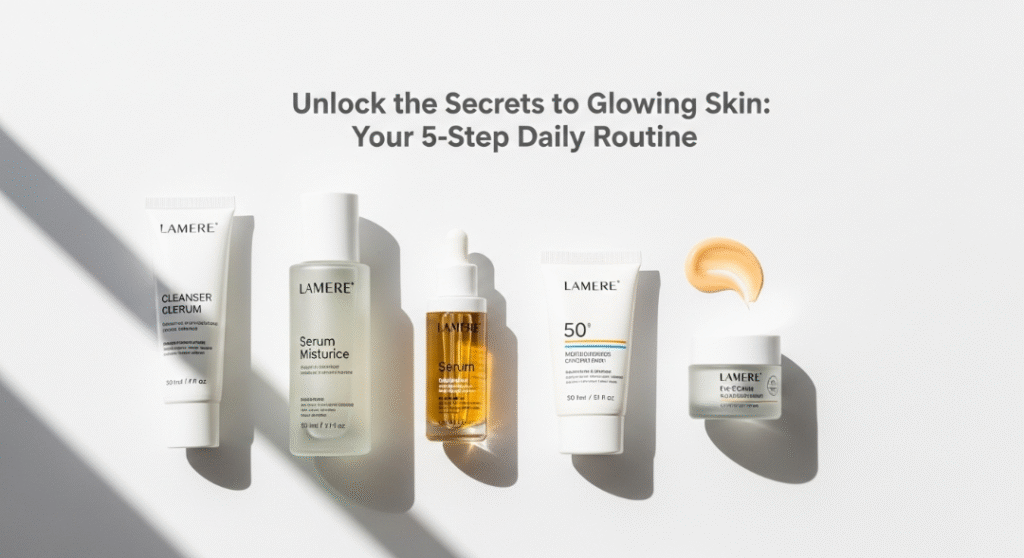
Transitioning to a minimalist routine requires a period of detoxification and observation. We recommend a "skincare fast" for those who are currently experiencing irritation or breakouts. This involves stripping the routine back to the "Big Three": a gentle cleanser, a basic moisturizer, and sunscreen. We should maintain this baseline for at least two to four weeks. This period allows the skin's inflammatory markers to subside and the barrier to begin its natural repair process.
During this transition, we must resist the urge to add new products at the first sign of a minor blemish. We need to allow the skin to find its homeostasis. Once the skin has stabilized, we can then introduce one active treatment at a time, if necessary. This might be a retinoid for acne and aging or an exfoliating acid for texture. By adding only one product every few weeks, we can accurately assess its efficacy and ensure it does not cause adverse reactions.
We should also pay attention to the seasonal needs of our skin. A minimalist routine is not static; it is adaptable. In the winter, we might swap a light lotion for a richer cream containing shea butter or petrolatum to combat the dry air. In the summer, we might prioritize a lighter, gel-based antioxidant. The key is that we are not adding more steps, but rather optimizing the existing ones to suit the environmental conditions.
Long-Term Benefits: Saving Time, Money, and Your Skin
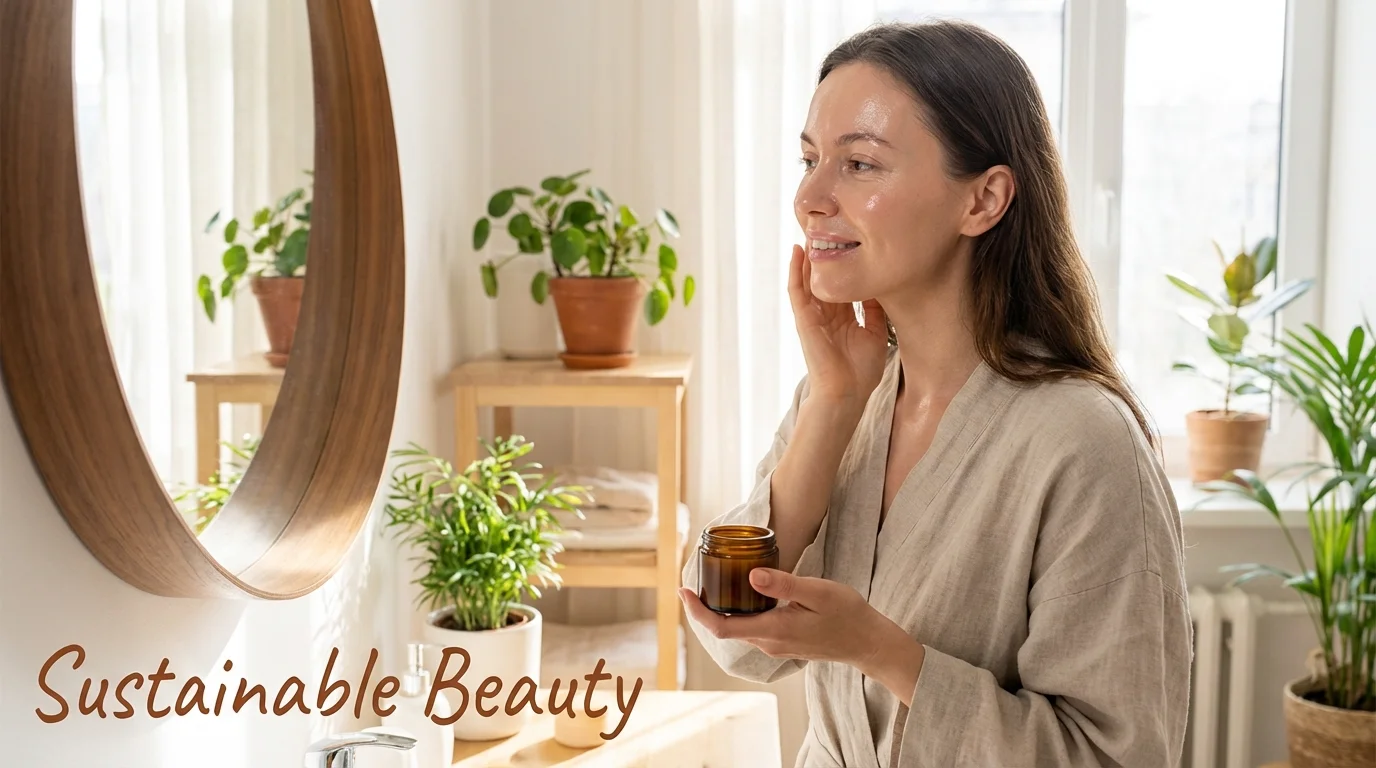
The advantages of a minimalist approach extend far beyond the physiological. We must consider the psychological and financial relief that comes with simplifying our lives. The modern consumer is often overwhelmed by "decision fatigue" caused by the thousands of skincare options available. By committing to a minimalist philosophy, we reclaim our time. A routine that takes five minutes rather than thirty allows us to focus on other aspects of our well-being, such as sleep and stress management, which are equally vital for skin health.
Financially, the benefits are undeniable. We often spend hundreds, if not thousands, of dollars on products that end up half-used or expired on our shelves. By focusing on fewer, higher-quality products, we ensure that our investment is utilized effectively. We are no longer chasing the next "miracle" ingredient; instead, we are investing in proven staples that deliver consistent results over years, not just weeks.
Furthermore, we must address the environmental impact of the beauty industry. The sheer volume of plastic waste generated by multi-step routines is unsustainable. By reducing the number of products we consume, we decrease our carbon footprint and reduce the amount of waste sent to landfills. Minimalist skincare is, at its core, sustainable beauty. It encourages us to be more intentional with our purchases and to value the quality of what we bring into our homes.
Common Myths About Complex Skincare Regimens
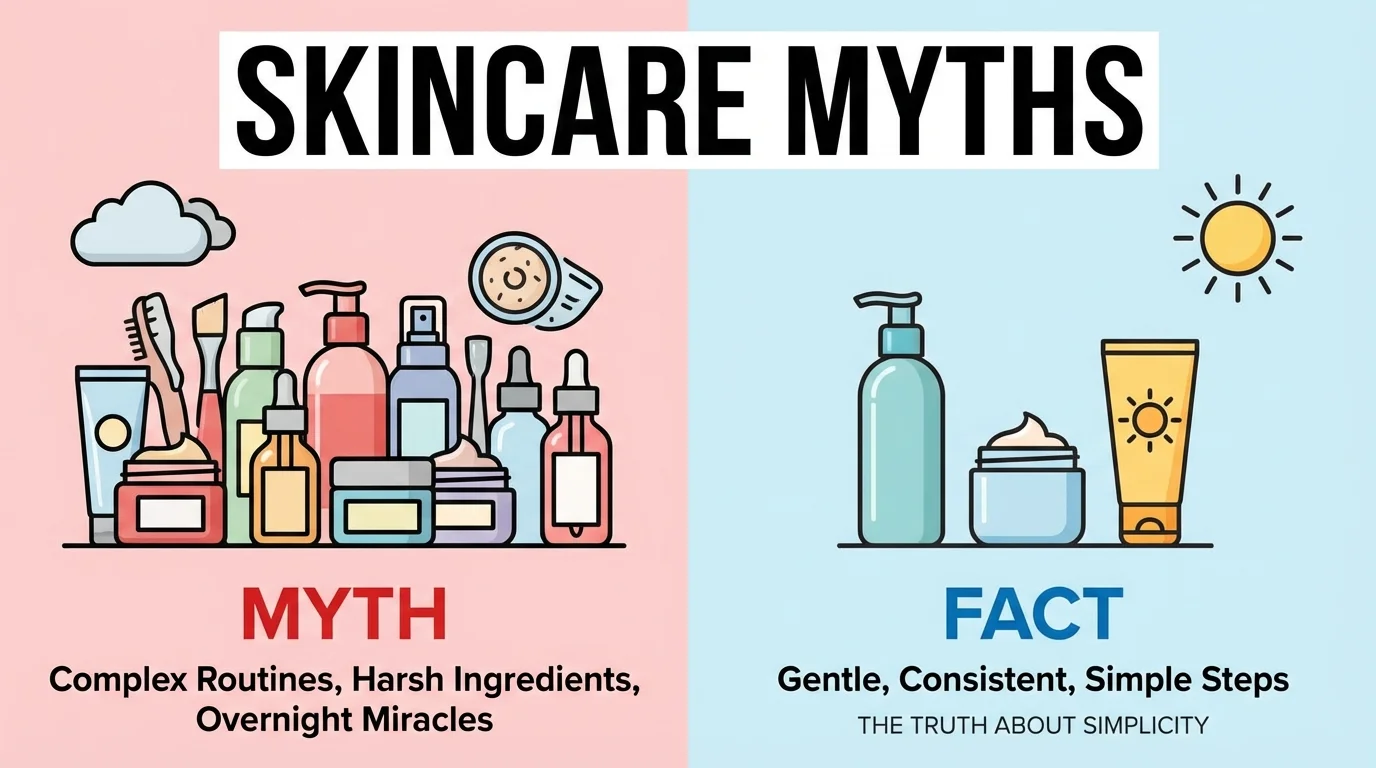
There are several persistent myths that prevent people from embracing a simpler routine. One of the most common is that "more active ingredients mean faster results." In reality, the opposite is often true. Overloading the skin with actives can lead to chronic inflammation, which actually accelerates the aging process—a phenomenon known as "inflammaging." We must understand that skin cells require time to regenerate, and rushing the process with excessive chemicals often leads to setbacks.
Another myth is that "expensive products are always better." While high-end brands often have superior textures or packaging, the "active" ingredients are frequently the same as those found in more affordable, clinical brands. A minimalist approach focuses on the formulation's integrity rather than the price tag. We should look for products that are fragrance-free, well-stabilized, and backed by independent research, regardless of the brand's prestige.
Finally, we must debunk the idea that "you need a different product for every part of your face." Eye creams, for example, are often just more expensive, thicker versions of facial moisturizers. Unless you have a specific concern like severe under-eye puffiness or dark circles that require specialized ingredients like caffeine or vitamin K, a well-formulated face cream is usually sufficient for the eye area. By challenging these myths, we empower ourselves to make smarter, simpler choices.
Conclusion: Embracing a Sustainable Approach to Beauty
As we have explored, the transition toward minimalism in skincare is not a regression, but an evolution. We are moving away from the "more is more" mentality of the past and toward a future characterized by intentionality, science, and respect for our biological foundations. By focusing on a few essential, high-performance products, we allow our skin to thrive in its natural state.
We encourage you to audit your current routine. Ask yourself: Is every product serving a specific, necessary purpose? Is my skin truly healthy, or am I just masking irritation with more products? By embracing the power of "less," we don't just achieve a better complexion; we foster a more sustainable and peaceful relationship with our beauty rituals. Let us prioritize the health of our skin barrier and the simplicity of our daily lives, trusting that nature, supported by minimal and precise science, is often the most effective path to lasting radiance.