How to Build a Skincare Routine That Fits Your Actual Mornings and Nights
A minimalist arrangement of morning and evening skincare products on a clean bathroom counter, representing a practical daily routine for healthy skin.
How to Build a Skincare Routine That Fits Your Actual Mornings and Nights
Achieving radiant, healthy skin is rarely the result of a single "miracle" product; rather, it is the cumulative outcome of a consistent skincare routine tailored to your specific biological needs and lifestyle constraints. We recognize that the modern individual often balances a demanding career, social obligations, and the fundamental need for rest, making a complex 12-step regimen feel more like a burden than a luxury. The secret to long-term dermatological success lies in understanding the foundational principles of skin health and adapting them to fit the reality of your schedule.
In this comprehensive guide, we will dissect the essential components of both morning and night skincare routines, explain the science behind product layering, and provide a roadmap for customizing your regimen. By focusing on active ingredients, skin barrier protection, and efficacy, we empower you to build a routine that is sustainable, efficient, and, most importantly, effective.
Understanding Your Unique Skin Type and Concerns
A person applying facial cleanser as part of a daily skincare habit.
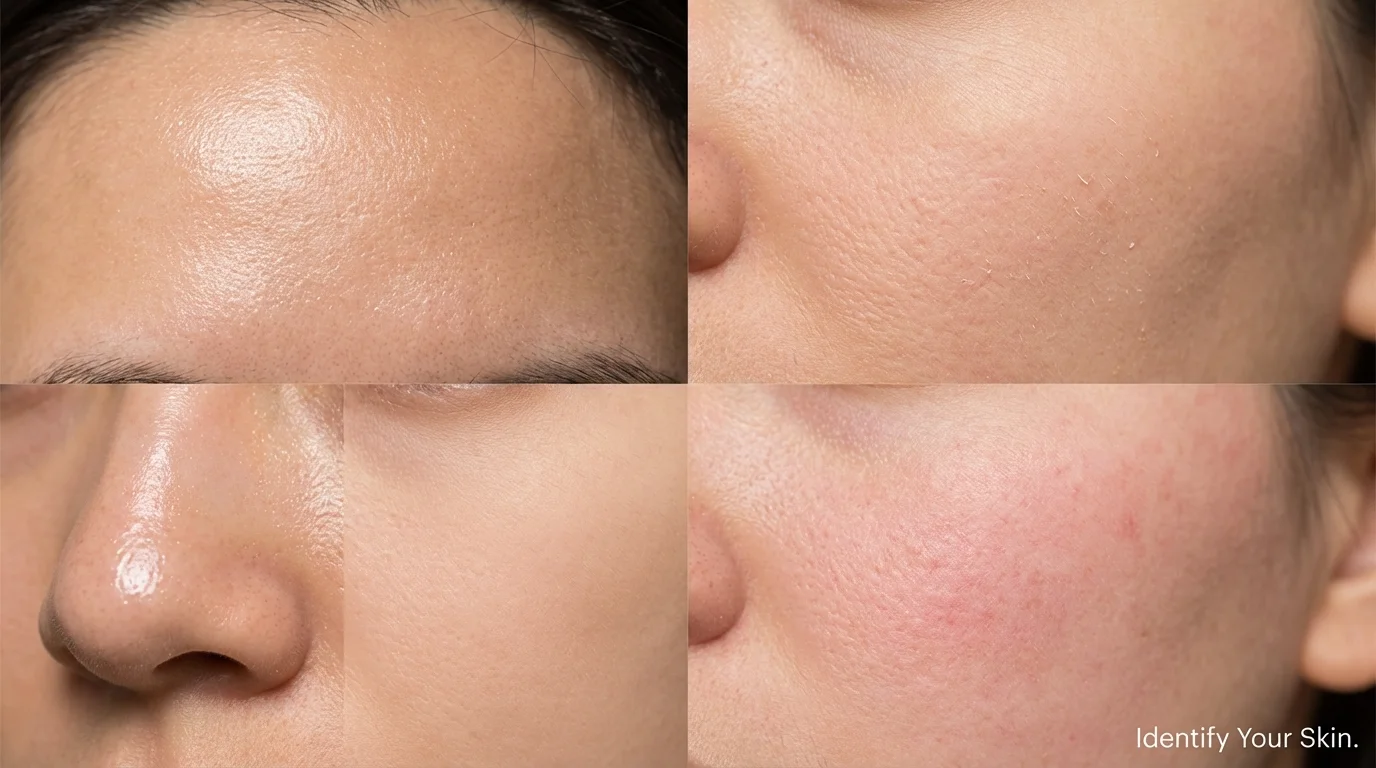
Before we can select the appropriate serums or moisturizers, we must first identify the canvas upon which we are working. Identifying your skin type is the most critical step in building a routine that yields results rather than irritation. Generally, skin falls into one of four primary categories: oily, dry, combination, or sensitive.
Oily skin is characterized by overactive sebaceous glands, resulting in a persistent sheen, enlarged pores, and a predisposition to acne and congestion. Conversely, dry skin lacks the necessary lipids to maintain a strong moisture barrier, often feeling tight, looking dull, or exhibiting visible flaking. Combination skin presents a unique challenge, as it features an oily T-zone (forehead, nose, and chin) while the cheeks remains dry or normal. Finally, sensitive skin is highly reactive to environmental triggers and specific ingredients, often manifesting as redness, itching, or burning sensations.
Beyond skin type, we must also consider specific skin concerns such as hyperpigmentation, fine lines, loss of elasticity, or active breakouts. A well-constructed routine addresses these concerns through the strategic application of targeted treatments. By understanding both your baseline type and your specific goals, we can avoid the common mistake of over-purchasing unnecessary products and instead focus on what truly moves the needle for your complexion.
The Essential Pillars of an Effective Morning Skincare Routine
Close-up comparison of oily, dry, combination, and sensitive skin types to help with identification.
The primary objective of a morning skincare routine is protection. During the day, your skin is subjected to a barrage of environmental stressors, including ultraviolet (UV) radiation, blue light, and atmospheric pollution. Our goal is to fortify the skin's natural defenses and prepare it for the day ahead.
We begin with a gentle cleanser. For many, a simple rinse with lukewarm water may suffice if the skin was thoroughly cleaned the night before. However, those with oily skin may prefer a light, non-stripping cleanser to remove any oil accumulated during sleep. The next vital step involves antioxidants
, specifically Vitamin C (L-ascorbic acid). Antioxidants neutralize free radicals, which are unstable molecules that damage collagen and accelerate the aging process.
Following antioxidant application, we focus on hydration and moisturization. Even if you have oily skin, a lightweight, non-comedogenic moisturizer is essential to prevent transepidermal water loss (TEWL). Finally, the most non-negotiable step in any routine is broad-spectrum sunscreen. Whether you choose a mineral (physical) or chemical filter, ensuring an SPF of 30 or higher is the most effective way to prevent photoaging, hyperpigmentation, and skin cancer. Without this final step, the rest of your morning routine is largely rendered ineffective.
Navigating the Night Skincare Routine for Maximum Repair
Essential morning skincare products including Vitamin C serum and sunscreen on a bright vanity.
While the morning is about defense, the night skincare routine is entirely dedicated to repair and regeneration. While we sleep, the body’s cellular turnover rate increases, and the skin becomes more receptive to active ingredients. This is the time to utilize more potent formulas that might be too heavy or photosensitizing for daytime use.
We advocate for the double cleanse method, particularly if you wear makeup or water-resistant sunscreen. This involves using an oil-based cleanser or micellar water to break down surface debris, followed by a water-based cleanser to deep-clean the pores. Once the skin is pristine, we move to targeted treatments. This is where Retinoids or Alpha Hydroxy Acids (AHAs) should be introduced. These ingredients promote collagen production and exfoliate dead skin cells, but because they can increase sun sensitivity, they are best reserved for the evening.
To conclude the evening ritual, we must replenish the skin's moisture. A night cream or facial oil rich in ceramides, peptides, and fatty acids helps to seal in the treatments used previously and supports the skin barrier's recovery. By the time you wake, your skin should feel supple and hydrated, ready to face another day of environmental exposure.
The Science of Layering: Order of Operations Matters
Luxury night cream and a silk sleep mask on a bedside table for an evening routine.
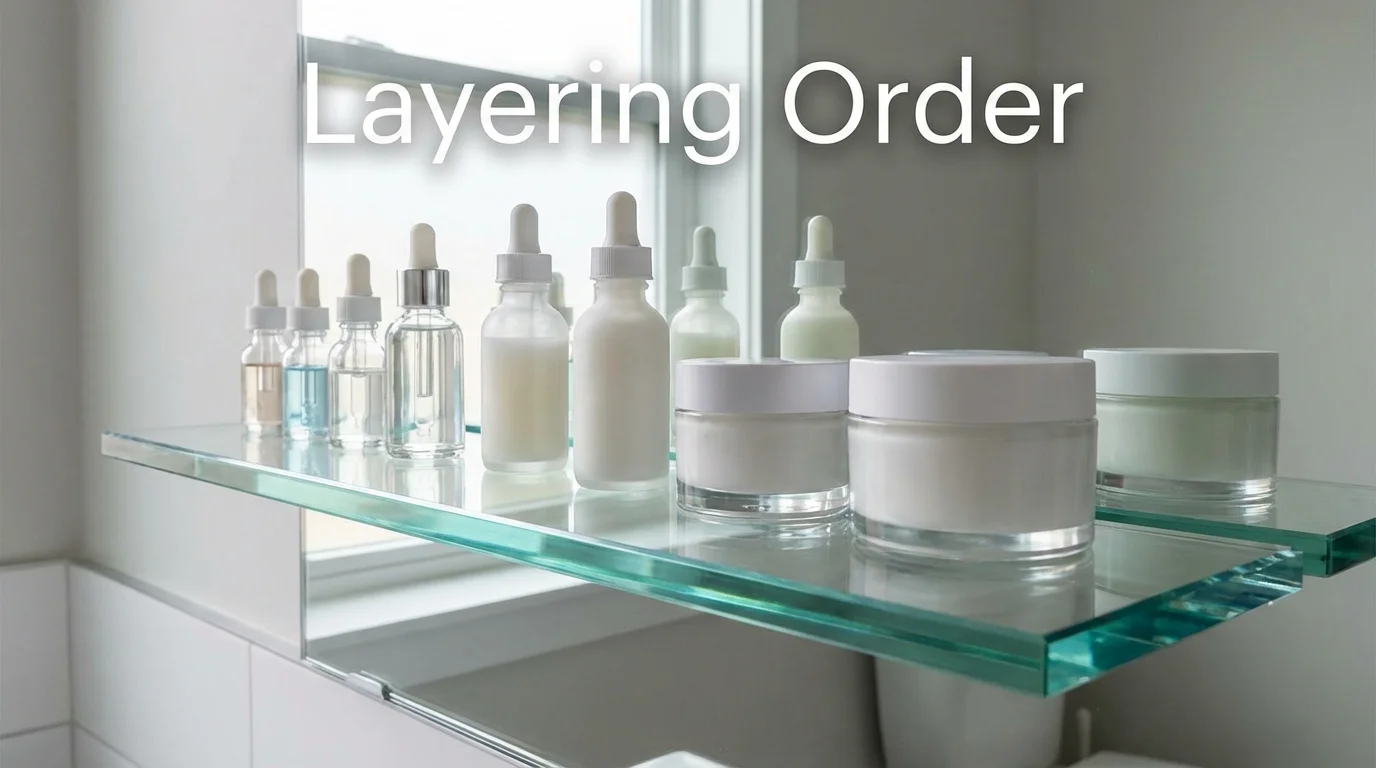
One of the most frequent questions we encounter is how to properly layer skincare products. The general rule of thumb is to apply products from thinnest to thickest consistency. This ensures that lightweight, water-based formulas can penetrate the skin before being "locked in" by heavier, oil-based creams.
Cleanser: The foundation of any routine.
Toner or Essence: These provide initial hydration and can balance the skin's pH.
Serums: These are highly concentrated and should be applied directly to the skin to ensure maximum absorption of active ingredients.
Eye Cream: The delicate skin around the eyes requires specialized, often thicker, formulations.
Moisturizer: This acts as a sealant, preventing the evaporation of the serums applied beneath it.
Face Oils: Because oil can penetrate cream but not vice versa, oils should typically be the final step in your nighttime routine.
Sunscreen: In the morning, this is always the very last step of skincare (before makeup) to ensure the protective film remains undisturbed.
Understanding this order of operations prevents product "pilling" and ensures that your expensive treatments are not being blocked by occlusive layers. When we respect the science of molecular weight, every product in the routine performs at its peak potential.
Customizing Your Routine for Busy Lifestyles and Real Schedules
Skincare products arranged by texture and consistency on a glass shelf to show layering order.
We recognize that not every morning allows for a dedicated 15-minute ritual. On those days, a minimalist skincare routine is far superior to skipping skincare altogether. A "stripped-back" morning might consist solely of a gentle cleanse, a moisturizer with SPF, or a tinted sunscreen. By combining steps, you maintain the "protection" pillar without sacrificing precious time.
For the evening, if exhaustion sets in, prioritize the cleanse and moisturize steps. Even without a potent serum, keeping the skin clean and hydrated prevents the buildup of bacteria and maintains the integrity of the acid mantle. We recommend keeping your most essential products in a visible, accessible location to lower the "barrier to entry" for your nightly habit.
The key to a sustainable routine is flexibility. If you have more time on Sunday evenings, that might be the ideal moment for a chemical peel or a hydrating mask. During the work week, stick to the essentials. By adjusting the complexity of your routine to match your energy levels, you ensure that consistency remains the driving force behind your results. Consistency is the primary differentiator between those who see a transformation in their skin and those who do not.
Common Skincare Mistakes to Avoid for Better Results
Comparison of a minimalist 3-step skincare routine versus a detailed multi-step routine.
In our quest for perfection, we often fall into the trap of "more is better." However, over-exfoliation is perhaps the most common mistake we see in modern skincare. Using multiple acids or mechanical scrubs daily can lead to a compromised skin barrier, resulting in inflammation, breakouts, and increased sensitivity. We must treat our skin with respect, allowing it time to heal between active treatments.
Another frequent error is mixing incompatible ingredients. For example, using Vitamin C and Retinol at the same time can cause severe irritation and may even deactivate the efficacy of the products. Similarly, using Benzoyl Peroxide with certain retinoids can lead to excessive dryness. We advise introducing one new product at a time and monitoring your skin’s reaction for at least two weeks before adding another.
Finally, many people neglect the neck and décolletage. The skin in these areas is thinner and often shows signs of aging faster than the face. When applying your serums and sunscreens, always extend the application downwards. By avoiding these common pitfalls and focusing on a balanced approach, we ensure that our skincare efforts lead to a healthier, more resilient complexion.
The Path to Long-Term Skin Health
Building a skincare routine that fits your actual life is an act of self-care that pays dividends in the form of confidence and health. We believe that by focusing on high-quality ingredients, proper layering techniques, and a realistic schedule, anyone can achieve their aesthetic goals. Remember that skin is a living organ that changes with the seasons, age, and hormonal shifts.
Stay observant, remain patient, and prioritize sun protection above all else. Your skincare journey does not require perfection; it requires a commitment to the basic principles of cleansing, treating, and protecting. As you refine your morning and night rituals, you will find that a well-chosen routine becomes a seamless and rewarding part of your daily existence.