Skincare Habits That Support Skin as It Naturally Changes With Age
As we navigate the inevitable passage of time, our skin undergoes a series of physiological transformations that reflect our history, environment, and genetics. While the beauty industry has historically focused on "reversing" the clock, we believe in a more sustainable and respectful philosophy: supportive skincare. This approach emphasizes nurturing the skin’s biological functions as they evolve, ensuring that the complexion remains resilient, vibrant, and healthy throughout every decade.
The shift in our skin’s needs is driven by internal factors, such as a decline in collagen synthesis and a reduction in natural oil production, as well as external stressors like cumulative UV exposure and pollution. Understanding these changes allows us to curate a regimen that does not fight against nature but rather provides the skin with the tools it requires to thrive. In this comprehensive guide, we explore the fundamental habits and ingredients that foster dermal longevity and grace.
Understanding the Biological Evolution of Mature Skin
Diagram of skin layers showing collagen and hydration for aging skin education.
To effectively care for our skin as it matures, we must first comprehend the cellular shifts occurring beneath the surface. Starting in our mid-twenties, the body’s production of collagen—the protein responsible for structural integrity—begins to decrease by approximately one percent annually. Simultaneously, elastin fibers lose their spring, leading to a gradual reduction in skin elasticity and the emergence of fine lines.
Beyond structural proteins, the epidermal turnover rate slows down. In younger skin, cells renew every 28 days; however, as we age, this cycle can extend to 45 or 60 days. This deceleration often results in a duller complexion as dead skin cells accumulate on the surface. Furthermore, the sebaceous glands become less active, leading to a significant drop in natural lipid production. This shift necessitates a move away from aggressive, oil-stripping products toward formulations that prioritize barrier repair and deep nourishment. By acknowledging these biological realities, we can adapt our habits to replenish what the skin can no longer produce in abundance.
The Foundation of Graceful Aging: Consistent Sun Protection
Luxury sunscreen and a sun hat symbolizing the importance of UV protection.
We cannot overstate the importance of photoprotection as the primary habit for maintaining skin health. It is estimated that up to 80 percent of visible skin changes—including hyperpigmentation, deep wrinkles, and textural irregularities—are the direct result of cumulative ultraviolet (UV) radiation. As our skin matures, its natural ability to repair DNA damage from the sun diminishes, making daily intervention critical.
A supportive skincare habit involves the application of a broad-spectrum SPF 30 or higher every single morning, regardless of the weather or indoor activity. We recommend seeking formulations enriched with antioxidants like Vitamin E or Ferulic Acid, which provide a secondary layer of defense against free radical damage
. Furthermore, we must remember that sun protection extends beyond the face; the neck, chest, and hands are often the first areas to show signs of photoaging and require equal attention. Consistent usage not only prevents further damage but allows the skin’s natural repair mechanisms to function without constant environmental interference.
Prioritizing Deep Hydration and Moisture Retention
Macro view of hydrating skincare texture representing moisture retention.
As the skin’s lipid barrier thins and hyaluronic acid levels drop, mature skin becomes increasingly susceptible to transepidermal water loss (TEWL). This dehydration can exacerbate the appearance of wrinkles and leave the skin feeling tight or sensitized. To combat this, we must transition our routine to include layered hydration strategies that address both water content and moisture sealing.
Incorporating a humectant-rich serum containing multiple molecular weights of hyaluronic acid or glycerin is an essential step. These molecules draw moisture into the deeper layers of the stratum corneum, creating a "plumping" effect. However, hydration alone is insufficient if it is not locked in. We must follow with emollients and occlusives—such as ceramides, squalane, or shea butter—which mimic the skin’s natural oils and reinforce the lipid barrier. This dual approach ensures that the skin remains supple and resilient against environmental fluctuations, maintaining that sought-after "lit-from-within" glow.
Optimizing Cell Turnover with Targeted Actives
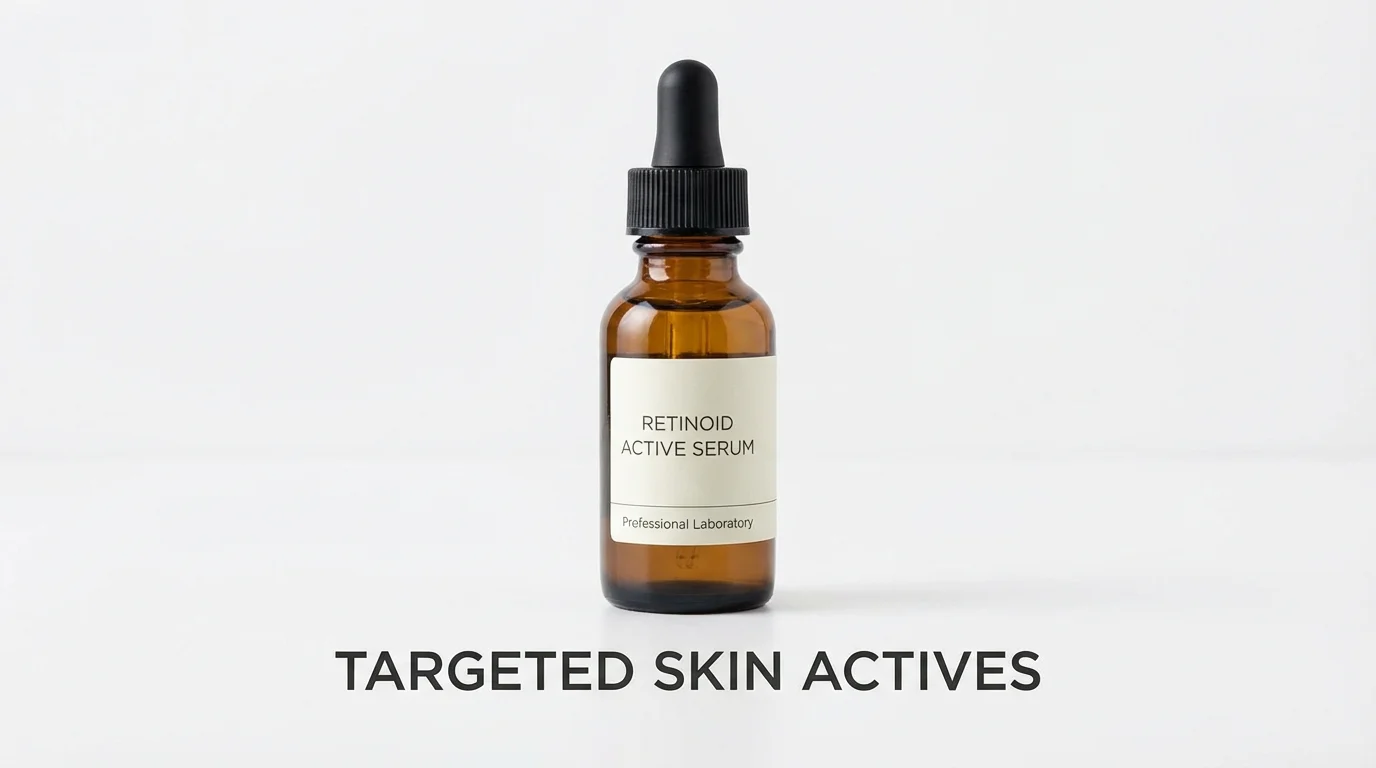
Amber dropper bottle of skincare serum representing active ingredients for aging skin.
To address the slowing of cellular renewal, we must introduce active ingredients that stimulate the skin’s natural regenerative processes. The gold standard in this category remains retinoids (Vitamin A derivatives). When used consistently, retinoids communicate with skin cells to increase turnover, stimulate collagen production, and fade discoloration. For those with more sensitive mature skin, we suggest starting with lower concentrations or exploring bakuchiol, a plant-based alternative that offers similar benefits without the potential for irritation.
In addition to nighttime retinoid use, a morning application of Vitamin C (L-ascorbic acid) is a vital habit. As a potent antioxidant, Vitamin C brightens the complexion by inhibiting melanin overproduction and protects the dermal matrix from oxidative stress. When we combine these targeted actives with a base of hydration, we create a synergistic effect that significantly improves skin texture and tone over time. It is important to introduce these powerful tools gradually to ensure the skin remains balanced and comfortable.
Strengthening the Skin Barrier Against External Stressors
Person applying cream to face focusing on skin barrier health and repair.
A robust skin barrier is the first line of defense against irritants, pollutants, and pathogens. As we age, the barrier naturally becomes more fragile and slower to recover from aggressive treatments or harsh environments. We must shift our focus toward barrier-supportive habits that prioritize soothing and rebuilding rather than constant stripping or over-exfoliation.
This includes choosing pH-balanced cleansers that remove impurities without disrupting the acid mantle. We should also look for products containing niacinamide (Vitamin B3), which has been shown to increase the production of ceramides and improve the skin's overall resilience. Avoiding excessively hot water during cleansing and steering clear of harsh physical scrubs are small but significant habits that prevent micro-tears and inflammation. By treating the skin with gentleness, we preserve its integrity and allow it to function as a healthy, protective organ.
The Role of Nutrition and Holistic Wellness
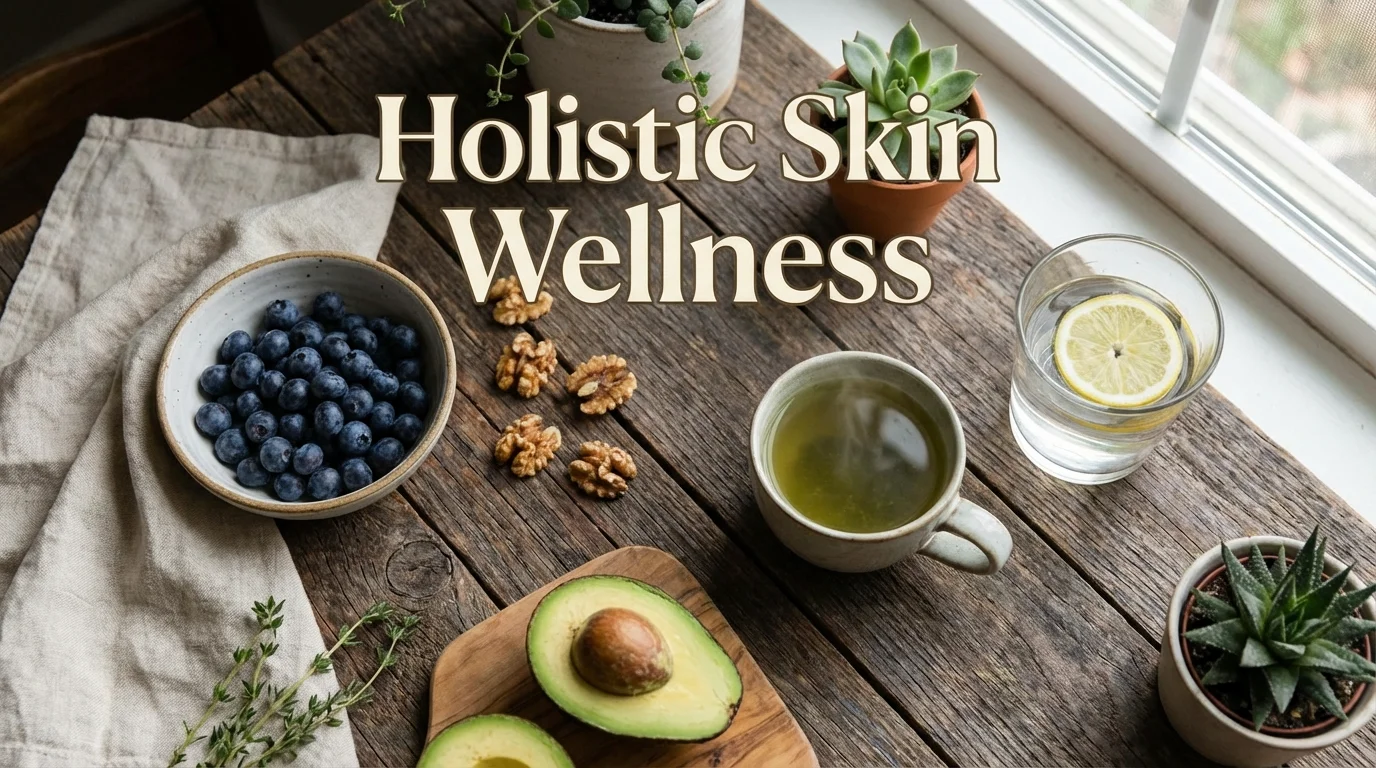
Healthy foods and green tea representing nutrition for skin health.
Skincare is not merely a topical endeavor; it is a reflection of our internal physiological state. To support the skin as it changes, we must adopt nutritional habits that provide the building blocks for repair and protection. A diet rich in omega-3 fatty acids, found in flaxseeds and fatty fish, helps maintain the fluidity of cell membranes, leading to softer, more hydrated skin.
Furthermore, consuming a wide array of antioxidants through colorful vegetables and fruits helps neutralize free radicals from the inside out. Hydration is equally important internally; drinking adequate water ensures that the body can efficiently transport nutrients to the skin cells. We also emphasize the role of quality sleep and stress management. During the deep stages of sleep, the body’s growth hormones facilitate cell repair and regeneration. Conversely, chronic stress triggers the release of cortisol, which can break down collagen and lead to inflammatory skin conditions. A holistic approach ensures that our topical efforts are supported by a healthy biological foundation.
Professional Treatments to Complement Daily Care
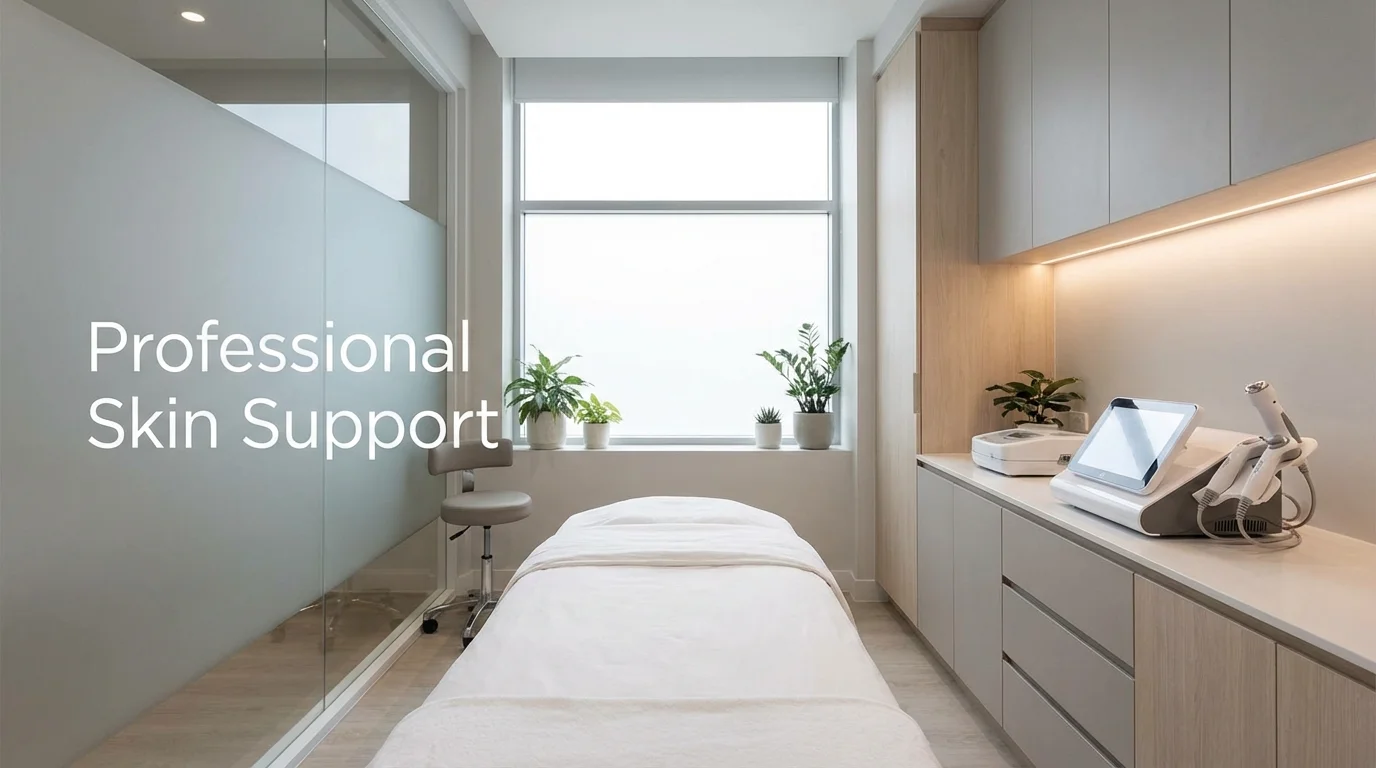
Modern dermatology or esthetician treatment room for professional skincare.
While daily habits form the cornerstone of skin health, professional treatments can provide the intensive support needed to address deeper structural changes. We view these interventions as a way to "boost" the results of a diligent at-home regimen. Options such as chemical peels, microneedling, or laser therapy can target specific concerns like deep-seated hyperpigmentation or significant loss of firmness.
Chemical peels utilize concentrated acids to remove the outermost layers of dead skin, revealing the fresher, more vibrant cells beneath and stimulating the dermis. Microneedling, on the other hand, creates controlled micro-injuries that trigger the body’s natural wound-healing response, resulting in a surge of new collagen and elastin. When we integrate these professional services into our long-term care plan, we can achieve more profound improvements in skin density and clarity. Consulting with a board-certified dermatologist or licensed esthetician ensures that these treatments are tailored to the skin’s evolving needs and tolerances.
Cultivating a Sustainable and Mindful Ritual
In conclusion, supporting the skin as it naturally changes with age is an act of intentionality and patience. By adopting habits that prioritize sun protection, hydration, barrier health, and cellular renewal, we empower our skin to age with vitality and strength. We must remember that consistency is the most powerful "ingredient" in any regimen.
As we evolve, our skincare should not be a source of stress or a pursuit of an unattainable ideal. Instead, it should be a rewarding ritual of self-care that honors the skin’s journey. By listening to our skin’s changing requirements and responding with scientifically-backed ingredients and healthy lifestyle choices, we ensure a complexion that is not just "younger-looking," but truly healthy, resilient, and radiant at any stage of life. Embracing these habits today creates a legacy of dermal health that will serve us for years to come.