Receding Hairline? Start Doing This Tonight: The Ultimate Restoration Guide
The transition from a full head of hair to a receding hairline is often a source of significant psychological distress for many individuals. We understand that noticing a maturing hairline or thinning at the temples can feel like an uphill battle against genetics. However, the science of trichology and hair restoration has advanced significantly. We believe that by implementing a strategic, evidence-based routine starting this very evening, we can effectively intervene in the miniaturization process of hair follicles.
A receding hairline, often the first sign of androgenetic alopecia, does not manifest overnight, and its reversal requires a disciplined approach. We must address the biological triggers, primarily the hormone dihydrotestosterone (DHT), while simultaneously optimizing the scalp environment for growth. In this comprehensive guide, we will detail the precise actions we recommend taking tonight to preserve your edges and stimulate new growth.
Understanding the Biological Mechanisms of Hair Recession
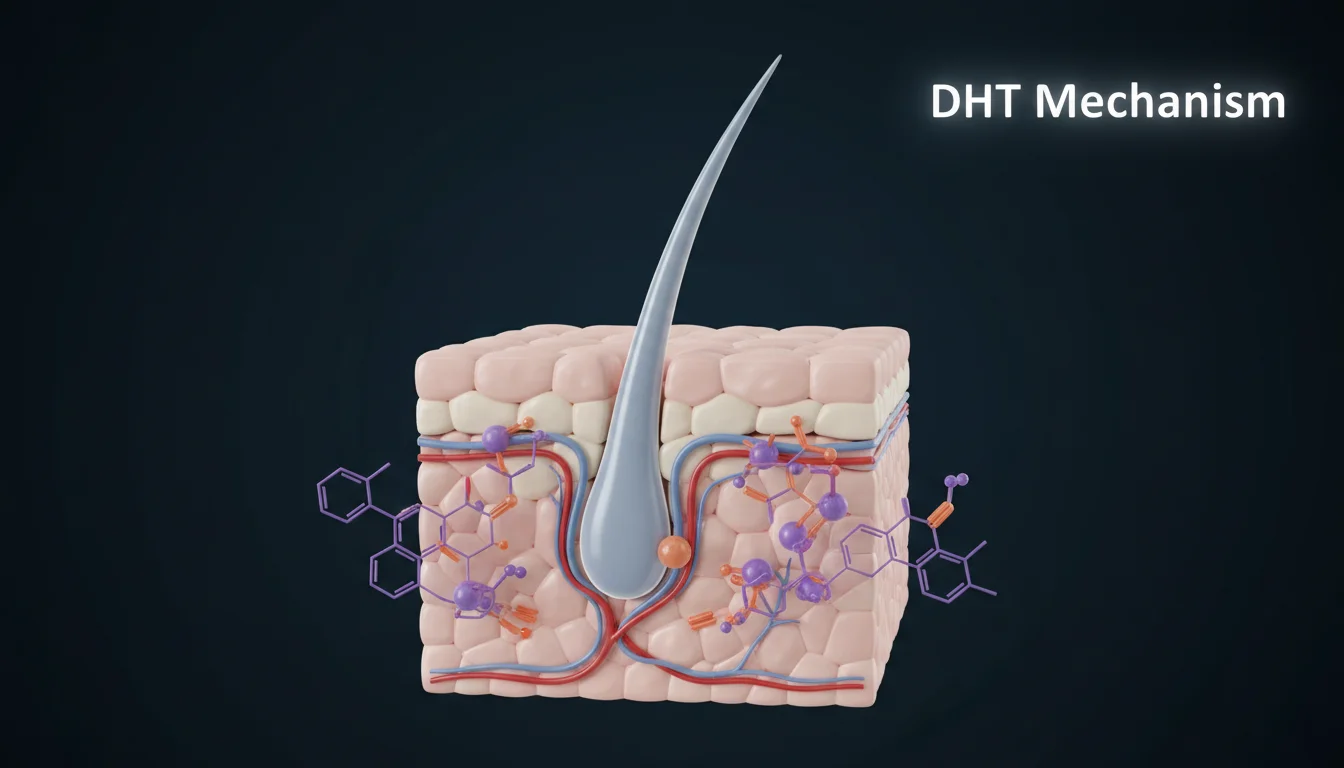
Medical illustration of DHT affecting a hair follicle.
Before we can treat the condition, we must recognize what is occurring beneath the dermal layer. For the majority of men and women experiencing recession, the primary culprit is androgenetic alopecia. We observe that in this condition, hair follicles are genetically predisposed to be sensitive to DHT, a byproduct of testosterone. When DHT binds to receptors in the scalp follicles, it triggers a process known as miniaturization.
During miniaturization, the growth phase—or anagen phase—of the hair cycle becomes progressively shorter. Consequently, the hair produced is thinner, shorter, and less pigmented until the follicle eventually becomes dormant. We emphasize that the goal of a nighttime routine is to disrupt this binding process and prolong the anagen phase. By understanding that we are fighting a hormonal process, we can better appreciate why consistency in our topical and systemic interventions is non-negotiable.
The Critical Role of Scalp Massage and Mechanotransduction
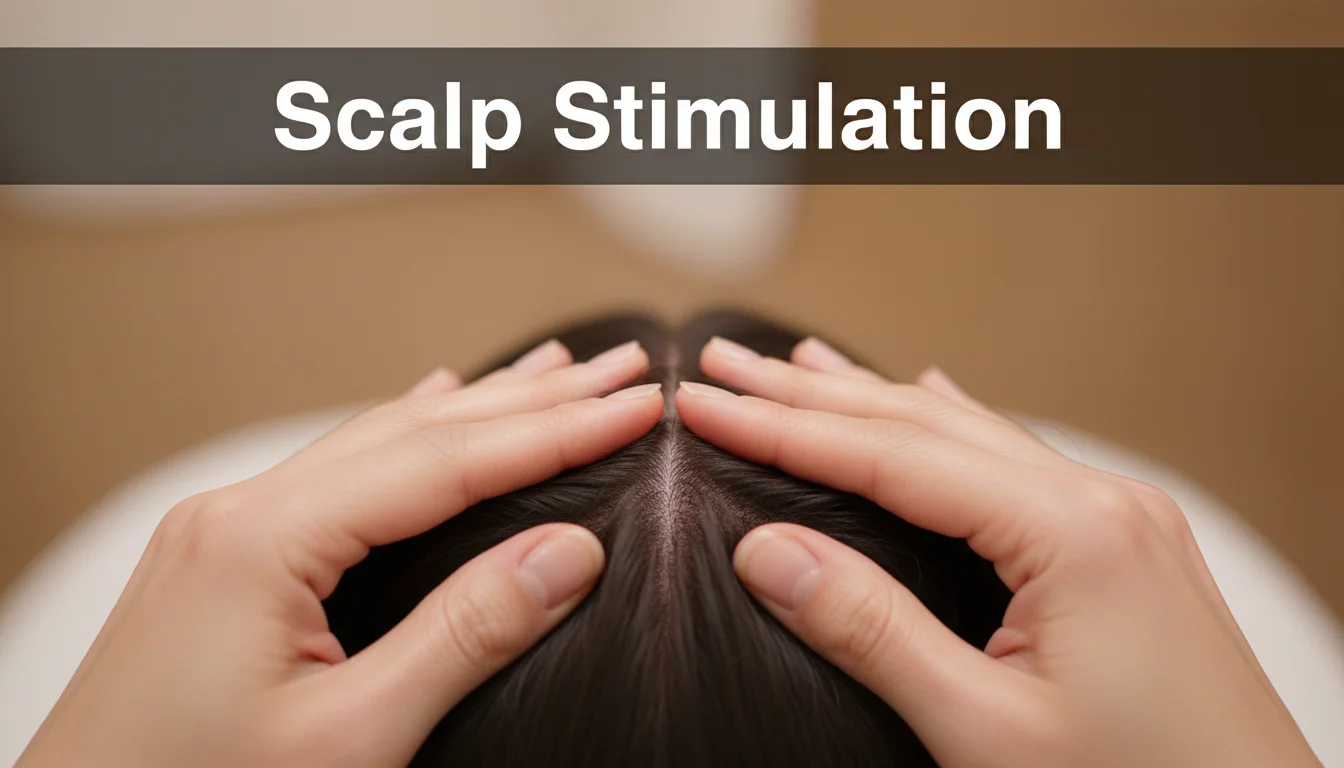
Person performing a scalp massage on the hairline.
One of the most effective actions we can take tonight involves no expensive equipment: the scalp massage. While it may seem simplistic, the science of mechanotransduction suggests that mechanical stimulation of the scalp cells can actually influence gene expression. We have found that consistent, firm massage can increase dermal papilla cell activity.
By massaging the hairline for at least four to five minutes tonight, we achieve two primary objectives. First, we encourage vasodilation, which is the widening of blood vessels. This ensures that oxygen and essential nutrients are delivered directly to the hair bulb. Second, research indicates that stretching the skin cells can transition follicles from the resting phase into the growth phase. We recommend using the pads of the fingers to move the scalp in circular motions, ensuring we are moving the skin over the bone rather than just sliding over the hair.
Various hair growth serums and essential oils for topical application.
Nighttime is the optimal period for the application of topical treatments. During sleep, the body enters a state of repair, and the lack of environmental stressors—such as UV rays or pollution—allows for better absorption of active ingredients. We suggest incorporating a serum that contains proven DHT blockers or growth stimulants tonight.
Ingredients such as Minoxidil remain the gold standard for many, as they act as a potassium channel opener to stimulate blood flow. However, for those seeking natural alternatives, we recommend formulations containing Rosemary oil, which has shown comparable efficacy to 2% minoxidil in some clinical trials. Other potent ingredients to look for include Caffeine, which counteracts DHT-induced growth inhibition, and Ketoconazole, which helps reduce scalp inflammation. We must ensure the scalp is clean before application to maximize penetration through the stratum corneum.
The Impact of Nutrition and DHT-Blocking Supplements
Selection of foods and supplements that support hair health.
What we consume this evening will provide the building blocks for tomorrow's hair growth. We cannot ignore the systemic side of hair restoration. Hair is primarily composed of a protein called keratin, and without adequate amino acids, the follicles cannot produce strong strands. We recommend a dinner rich in lean proteins, zinc, and biotin.
Furthermore, specific nutrients act as internal DHT blockers. We suggest looking into supplements like Saw Palmetto, Pumpkin Seed Oil, and Pygeum. These natural extracts work by inhibiting the enzyme 5-alpha reductase, which is responsible for converting testosterone into DHT. By taking these supplements with your evening meal, we ensure a steady supply of these inhibitors in the bloodstream during the peak hours of cellular regeneration. We also highlight the importance of Iron and Ferritin levels, as deficiency in these is a leading cause of thinning in both men and women.
Optimizing Your Sleep Environment for Hair Protection
Silk pillowcase on a bed emphasizing hair protection during sleep.
The physical environment in which we sleep tonight plays a surprisingly large role in the health of our hairline. Traditional cotton pillowcases can be surprisingly abrasive, creating friction that leads to hair breakage and physical stress on weakened follicles at the temples. We strongly advocate for the use of a silk or satin pillowcase.
Silk allows the hair to glide smoothly, reducing the risk of "traction" while we toss and turn. Additionally, we must address the issue of scalp hygiene during sleep. Going to bed with wet hair or a sweaty scalp can foster the growth of Malassezia, a yeast-like fungus associated with dandruff and scalp inflammation. We know that an inflamed scalp is a hostile environment for hair growth. Therefore, we should ensure our hair is dry and our scalp is "breathing" tonight to prevent folliculitis and other conditions that exacerbate recession.
Advanced Clinical Options: When to Step Up the Routine
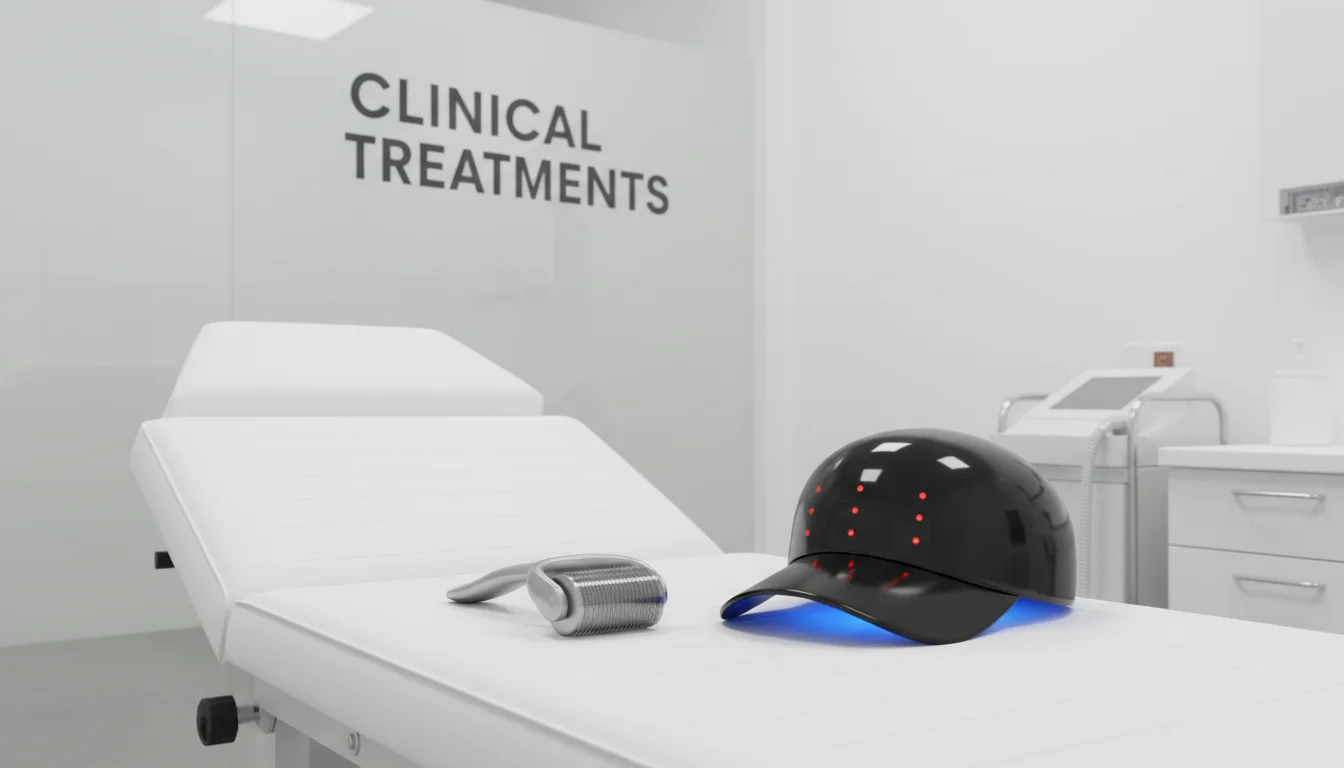
Professional hair restoration tools including a derma roller and LLLT device.
If we have been noticing a persistent decline in hair density despite basic interventions, tonight is the time to plan for more advanced clinical options. Microneedling, or the use of a derma roller, has revolutionized at-home hair care. By creating micro-injuries in the scalp, we trigger the body's natural healing response, releasing growth factors and increasing the efficacy of our topical serums.
Beyond microneedling, we may consider Low-Level Laser Therapy (LLLT). These devices, often in the form of caps or combs, use medical-grade lasers to stimulate mitochondria in the hair cells. We also recommend consulting with a specialist about Platelet-Rich Plasma (PRP) therapy or prescription medications like Finasteride. While these require a professional's oversight, deciding to book that consultation is a step we can take tonight. We believe in a multi-modal approach where lifestyle, topicals, and clinical science converge to provide the best possible results.
Stress Management and the Cortisol Connection
The connection between stress and hair loss is well-documented in clinical literature. High levels of cortisol, the body’s primary stress hormone, can push hair follicles prematurely into the telogen (resting) phase. We refer to this as telogen effluvium, and when combined with androgenetic alopecia, it can accelerate a receding hairline at an alarming rate.
Tonight, we suggest implementing a "wind-down" ritual to lower cortisol levels before sleep. Whether it is deep breathing exercises, a warm bath, or meditation, reducing systemic stress is vital for hair preservation. We have seen that individuals who prioritize sleep quality and stress reduction often see a marked improvement in the thickness and resilience of their hair. We must view hair care as a holistic endeavor that includes the mind as much as the scalp.
Establishing a Long-Term Perspective on Restoration
We must be realistic: hair growth is a slow process governed by the natural cycles of the body. While we start this routine tonight, we should not expect to see a transformed hairline by tomorrow morning. It typically takes three to six months of consistent effort to see visible changes in hair density and coverage.
We encourage the habit of taking "baseline" photos tonight. By documenting the current state of the hairline, we can objectively track progress over the coming months. We believe that the psychological boost of seeing small "baby hairs" sprout along the temples is the best motivation to keep going. Consistency is the bridge between a receding hairline and a restored one. By committing to these steps tonight, we are laying the foundation for a more confident future.
In conclusion, addressing a receding hairline requires a sophisticated blend of hormonal management, scalp stimulation, and nutritional support. We have outlined a path that begins tonight—from the mechanical benefits of massage to the protective qualities of silk. We are confident that by taking these proactive steps and maintaining a disciplined nighttime ritual, the journey toward hair restoration is not only possible but sustainable. Don't wait for further recession; start doing this tonight.