If Your Skin Gets Oily By Noon, Do This: The Ultimate Guide to Midday Sebum Control
The phenomenon of the midday grease slick is a source of profound frustration for individuals striving for a polished, professional appearance. We understand that applying a meticulously crafted makeup look or skincare regimen at 7:00 AM only to witness a disruptive level of sebum breakthrough by noon can undermine one's confidence. This excessive oil production is not merely a cosmetic inconvenience; it is a physiological response influenced by hormones, environment, and product efficacy.
To effectively manage a complexion that shifts from matte to mirror-like in a matter of hours, we must look beyond superficial fixes. We have compiled a comprehensive, evidence-based strategy to help you regain control over your sebaceous gland activity. By implementing the precise techniques and ingredient profiles outlined in this guide, we can transform your skin's behavior, ensuring a balanced, refined texture that lasts well beyond the lunch hour.
Understanding the Science Behind Midday Sebum Production
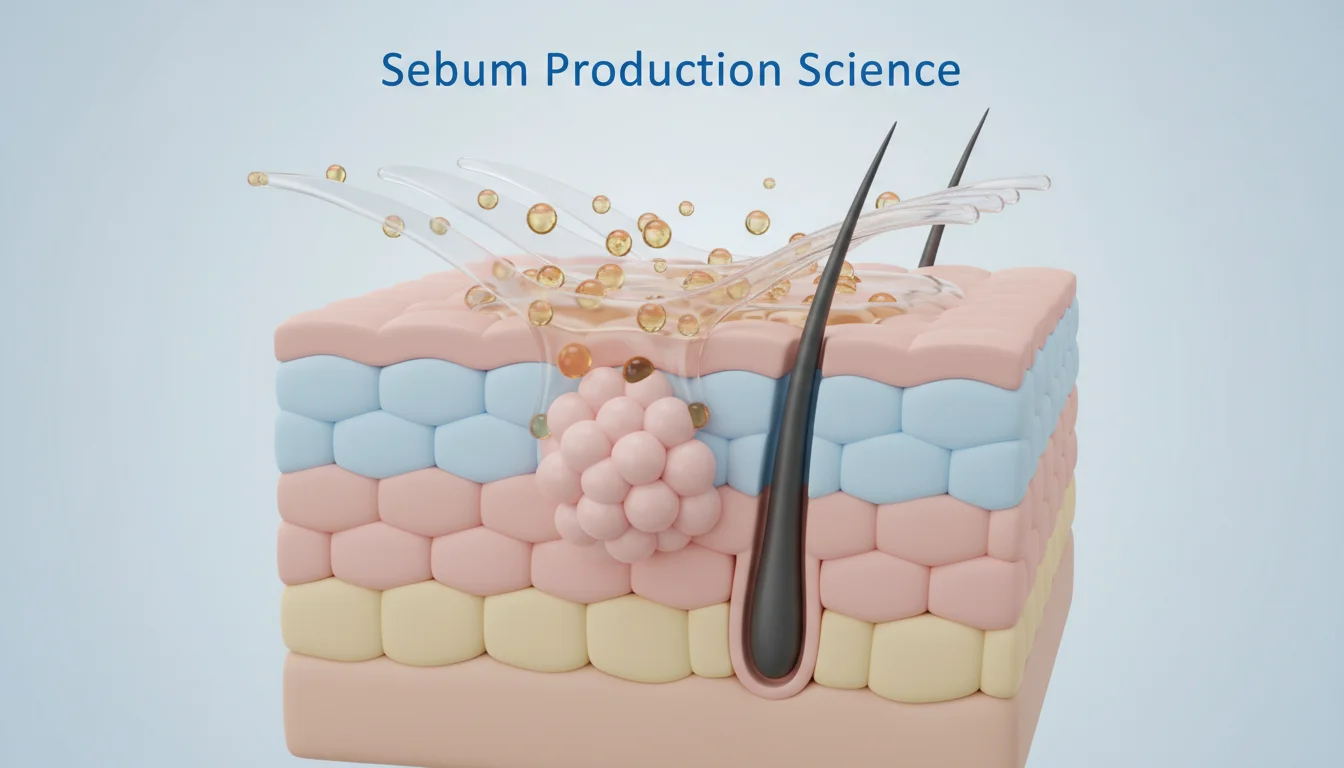
Anatomical diagram of a sebaceous gland showing how oil is released to the skin surface through the pore.
Before we address the solutions, we must examine the biological mechanisms that cause overactive oil production. Our skin naturally produces sebum—a complex mixture of triglycerides, wax esters, and squalene—to provide a protective barrier and maintain hydration. However, for many, the "noon-time surge" is a result of the body’s circadian rhythm. Research suggests that sebum secretion rates often peak in the late morning and early afternoon.
Furthermore, environmental triggers such as humidity and heat significantly lower the viscosity of sebum. When the temperature rises slightly during the middle of the day, the oil on your skin becomes more fluid, spreading more easily across the surface and creating that characteristic unwanted shine. We also recognize the role of androgens, specifically dihydrotestosterone (DHT), which signals the sebaceous glands to enlarge and produce more oil. When your skincare routine does not account for these physiological peaks, the result is an inevitable midday oil breakthrough.
The Foundation: Building a Morning Skincare Routine for All-Day Matte Finish
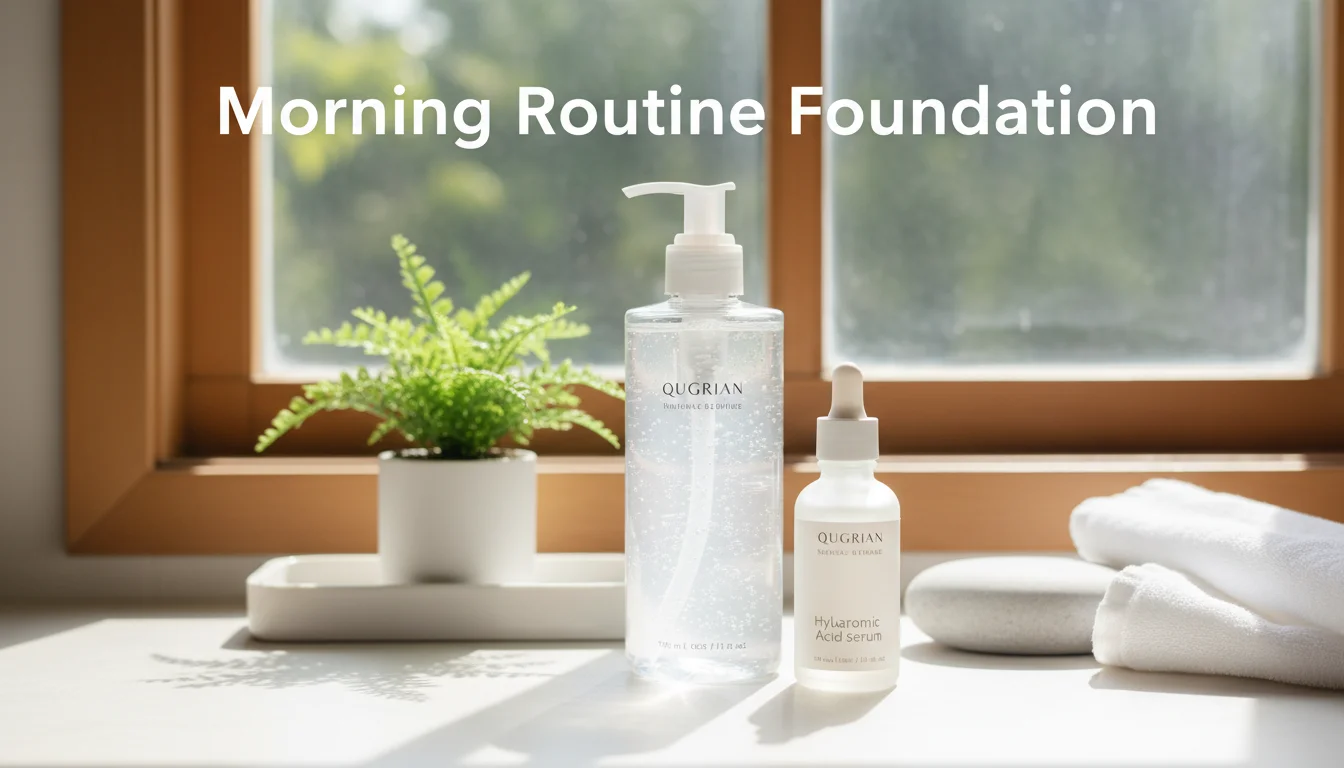
A collection of morning skincare products focused on balancing oil and providing lightweight hydration.
We believe that the battle against midday oil is won or lost during your morning skincare ritual. A common error we observe is the use of overly aggressive, stripping cleansers. While it may seem logical to "degrease" the skin with harsh sulfates, this often triggers a compensatory hyper-seborrhea. This means the skin perceives a state of extreme dryness and responds by producing even more oil to compensate for the lost moisture.
Instead, we recommend a balanced cleansing approach. Utilize a pH-balanced, sulfate-free cleanser containing mild surfactants. This ensures the acid mantle remains intact while effectively removing overnight metabolic waste. Following cleansing, the application of a hydrating toner or essence is crucial. We must emphasize that oily skin is not necessarily hydrated skin
. Dehydrated skin will often overproduce oil to seal in whatever moisture remains. By saturating the skin with humectants like hyaluronic acid or glycerin, we create a stable environment that discourages the sebaceous glands from overworking.
The "Do This" Protocol: Immediate Solutions for Oily Breakthrough at Noon
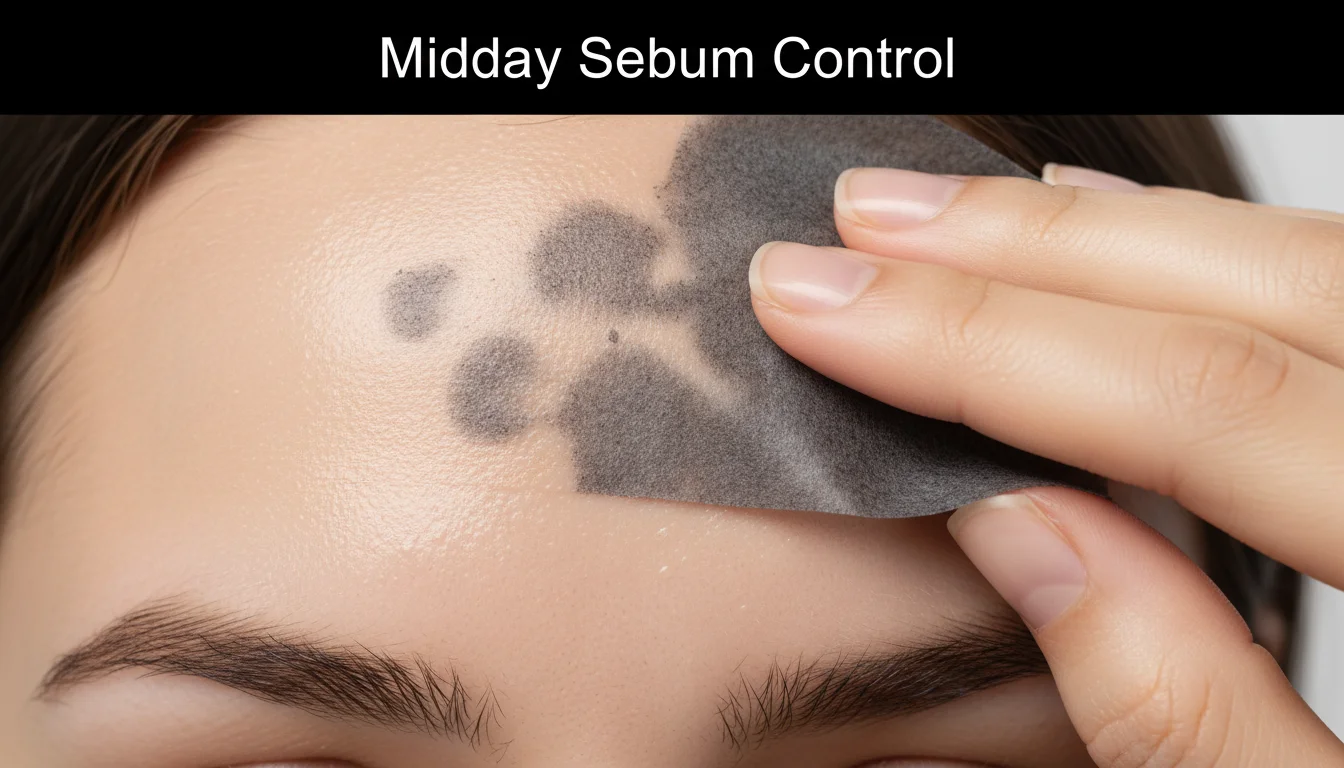
Action shot of a person using blotting paper to remove excess oil from the T-zone area of the face.
When the clock strikes noon and the shine becomes visible, the temptation is to pile on more powder. We advise against this, as layering powder over existing oil can lead to a cakey, congested appearance. Instead, we propose a three-step midday intervention.
First, utilize high-quality blotting papers. These are designed to lift excess sebum without disturbing the underlying makeup or sunscreen. The technique is paramount: press and hold the paper against the oily areas—typically the T-zone—rather than rubbing. Rubbing can irritate the skin and spread bacteria. Second, once the excess oil is removed, we recommend a light misting of a zinc-infused thermal water. Zinc is a known sebum regulator and can help soothe any midday inflammation.
Finally, if a touch-up is required, we suggest a translucent, silica-based finishing powder. Silica is exceptional at absorbing its weight in oil without adding pigment or texture. By following this specific "Do This" protocol, we ensure the skin remains fresh and matte without the risk of clogged pores or "mask-like" makeup.
Essential Ingredients to Look For in Your Oily Skin Arsenal
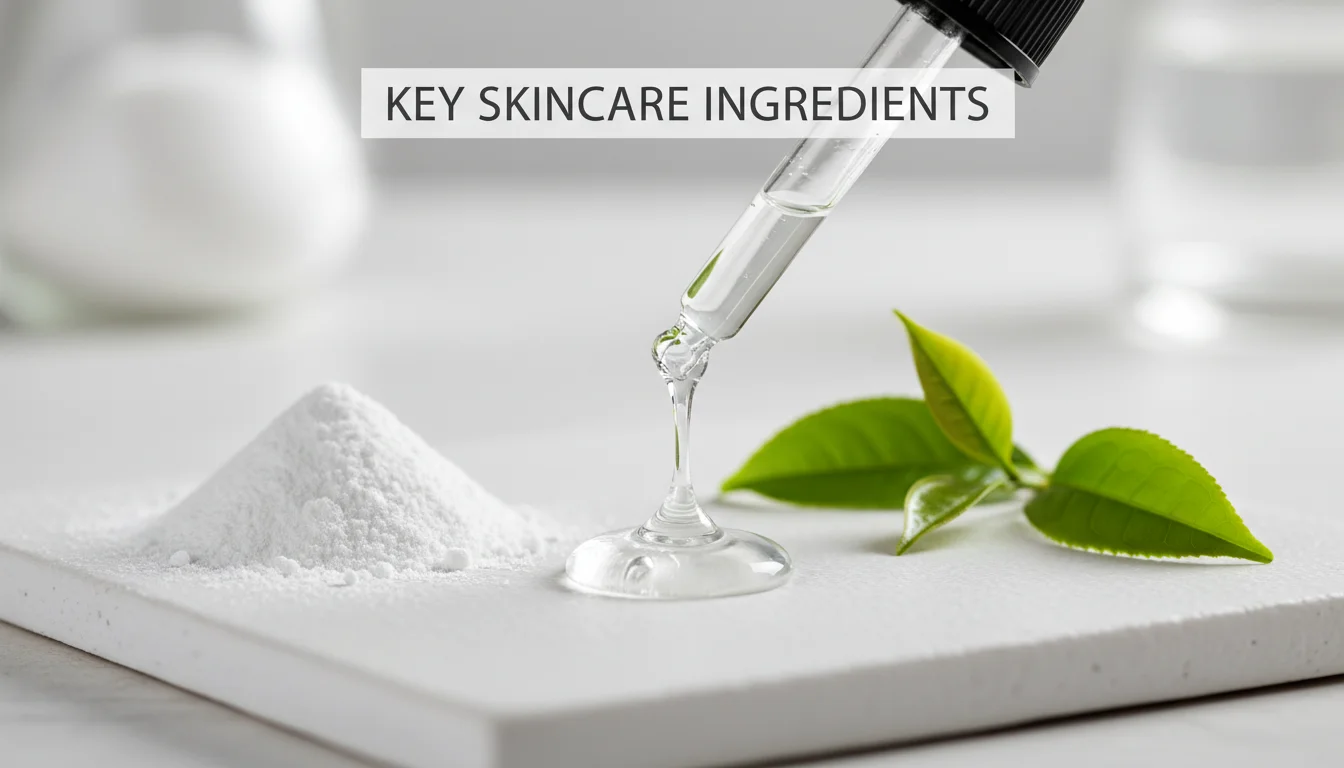
Macro photography of beneficial active ingredients for controlling oily skin including niacinamide and zinc.
To achieve long-term mastery over your skin’s oil production, we must incorporate specific active ingredients into your regimen. We have identified a selection of compounds that are clinically proven to modulate sebum and refine the appearance of pores.
Niacinamide (Vitamin B3) stands as a cornerstone in our recommendations. This versatile ingredient has been shown to reduce the total sebum excretion rate over time while simultaneously strengthening the skin barrier. Another vital component is Salicylic Acid (BHA). Being oil-soluble, BHA can penetrate deep into the pores to dissolve the "glue" that binds sebum and dead skin cells, preventing the blockages that lead to an even oilier appearance.
Furthermore, we suggest looking for products containing Zinc PCA. This molecule combines the anti-seborrheic properties of zinc with the hydrating benefits of L-PCA. We also advocate for the inclusion of Green Tea Extract (EGCG), a powerful antioxidant that has been shown to inhibit the 5-alpha-reductase enzyme, thereby reducing the hormonal trigger for oil production.
Lifestyle and Diet: Internal Factors Influencing Skin Oiliness
Healthy low-glycemic foods and water representing the internal approach to managing skin oiliness.
While topical applications are essential, we must not overlook the internal drivers of skin health. We have found that diet plays a significant role in the volume of oil your skin produces. Foods with a high glycemic index (GI)—such as refined sugars and white bread—cause a rapid spike in insulin levels. Elevated insulin stimulates the production of insulin-like growth factor 1 (IGF-1), which directly increases sebum production and promotes acne.
We recommend adopting a diet rich in low-GI carbohydrates, lean proteins, and healthy fats. Omega-3 fatty acids, found in walnuts and fatty fish, are particularly beneficial for their anti-inflammatory properties, which can help calm overactive glands. Additionally, we must address stress management. When we experience high levels of stress, our adrenal glands release cortisol. Cortisol is known to stimulate sebaceous glands, leading to that unwanted "stress shine." Incorporating mindfulness, adequate sleep, and regular physical activity can create a more stable internal environment, resulting in clearer, more balanced skin.
Common Mistakes That Accelerate Afternoon Shine
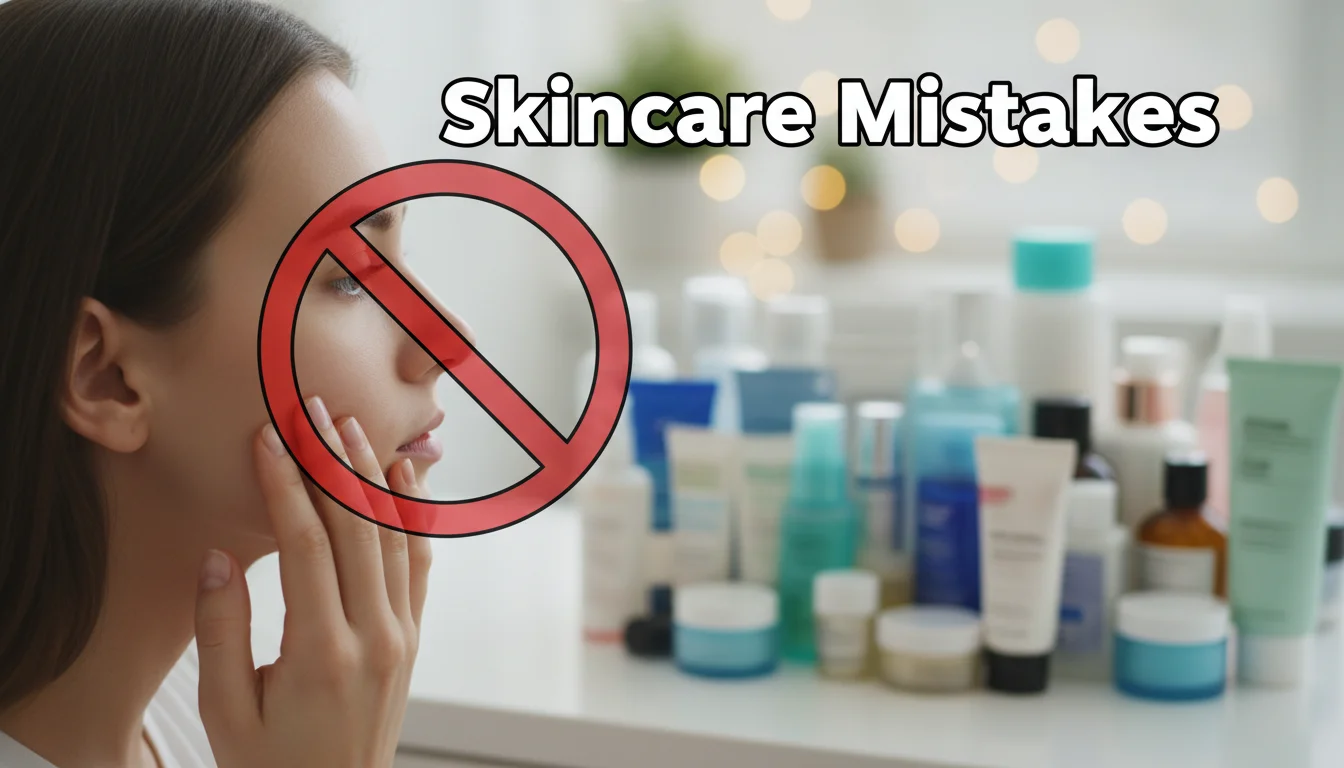
Illustrative image warning against common skincare errors like touching the face or using too many conflicting products.
In our pursuit of a matte complexion, we often encounter patients who inadvertently sabotage their efforts. One of the most common mistakes is over-exfoliation. While sloughing off dead skin is necessary, doing so too frequently with harsh scrubs or high-strength acids can damage the lipid barrier. Once the barrier is compromised, the skin enters a state of panic, ramping up oil production to shield itself from further damage.
Another significant error is the omission of moisturizer. We frequently encounter the myth that oily skin does not require hydration. On the contrary, skipping moisturizer can lead to surface dehydration, which prompts the skin to produce a protective oil film. We recommend choosing "oil-free" or "non-comedogenic" gel-based moisturizers that provide hydration without adding heaviness. Finally, the habit of constantly touching the face or using dirty phone screens can transfer oils and bacteria, exacerbating the appearance of shine and leading to breakouts.
Professional Treatments and Long-Term Strategies for Oily Skin
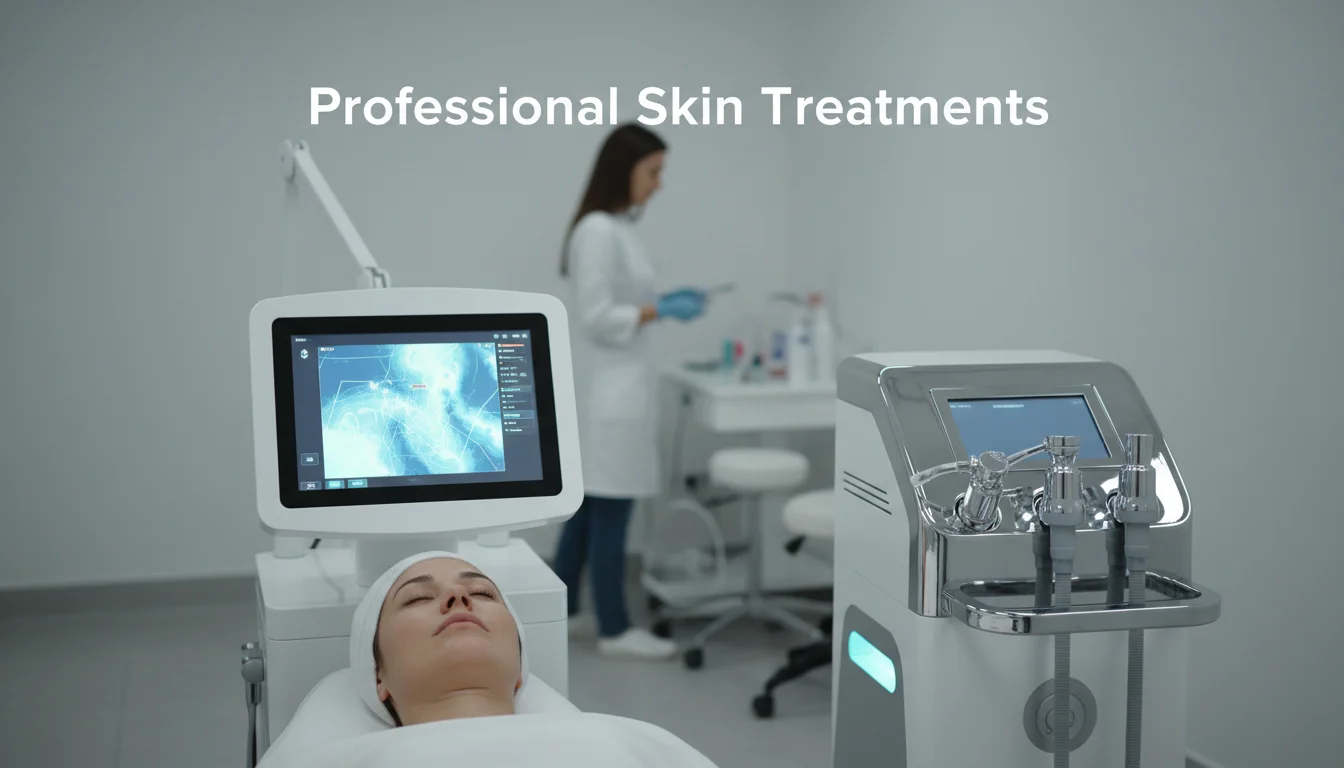
Interior view of a modern dermatology clinic offering professional skin solutions like chemical peels and facials.
For those who find that over-the-counter solutions are insufficient, we suggest considering professional dermatological interventions. These treatments provide a deeper level of correction and can significantly alter the skin's long-term behavior. Chemical peels, particularly those utilizing high concentrations of salicylic acid or mandelic acid, can deeply clear the pores and regulate oil production for weeks at a time.
We also find that HydraFacials are exceptionally effective for oily skin types. This treatment uses a patented vortex-suction technology to "vacuum out" pores while simultaneously infusing the skin with potent antioxidants and hydrators. For more permanent results, some may explore laser therapies or light-based treatments like Photodynamic Therapy (PDT), which can shrink the sebaceous glands over several sessions. By combining these professional treatments with a rigorous at-home "Do This" protocol, we can achieve a sustained, healthy matte radiance.
Achieving Lasting Balance
We have established that managing skin that gets oily by noon requires a multi-faceted approach. It is not about a single "miracle" product, but rather a strategic alignment of morning preparation, midday intervention, and long-term ingredient consistency. By understanding the biological timing of your skin and responding with precision-engineered skincare, you can break the cycle of midday shine.
We encourage you to view your skincare routine as a dynamic process. Monitor how your skin responds to different environments and adjust your sebum-control tactics accordingly. With patience and the right methodology, a balanced, sophisticated, and shine-free complexion is entirely within your reach. Remember, the goal is not to eliminate oil entirely—as it is vital for skin longevity—but to manage it so that you remain in control of your appearance from morning until night.