A close-up of a person examining thinning hair in a mirror, representing the hidden medical and environmental reasons for hair loss and follicle damage.
We understand that observing an unusual amount of hair in the shower drain or on your hairbrush can be a deeply distressing experience. While it is common to attribute alopecia or general thinning hair to age or simple genetics, the physiological reality is often far more complex. In our clinical observations and research, we have identified that many individuals suffer from chronic hair shedding due to factors that remain invisible during routine medical check-ups.
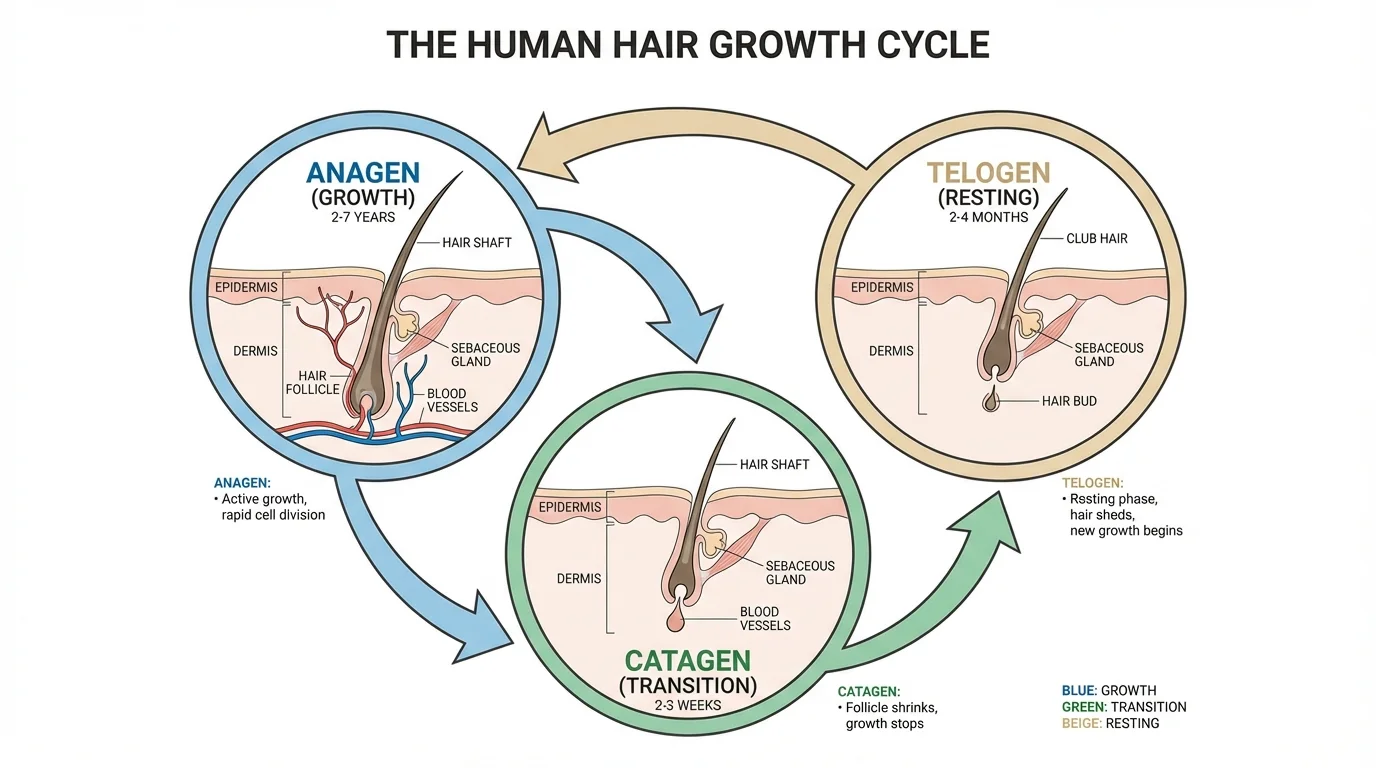
The human hair growth cycle is a delicate biological process influenced by systemic health, environmental factors, and internal biochemistry. When this cycle is disrupted, the transition from the anagen (growth) phase to the telogen (resting) phase happens prematurely, leading to what is known as telogen effluvium. To effectively address this concern, we must look beyond the surface and investigate the physiological underpinnings that govern follicular health. In this comprehensive guide, we illuminate the five hidden reasons your hair is falling out and provide the scientific context necessary to reclaim your hair's vitality.
Silent Inflammation: The Invisible Disruptor of Hair Cycles
Educational diagram of the three stages of the human hair growth cycle.
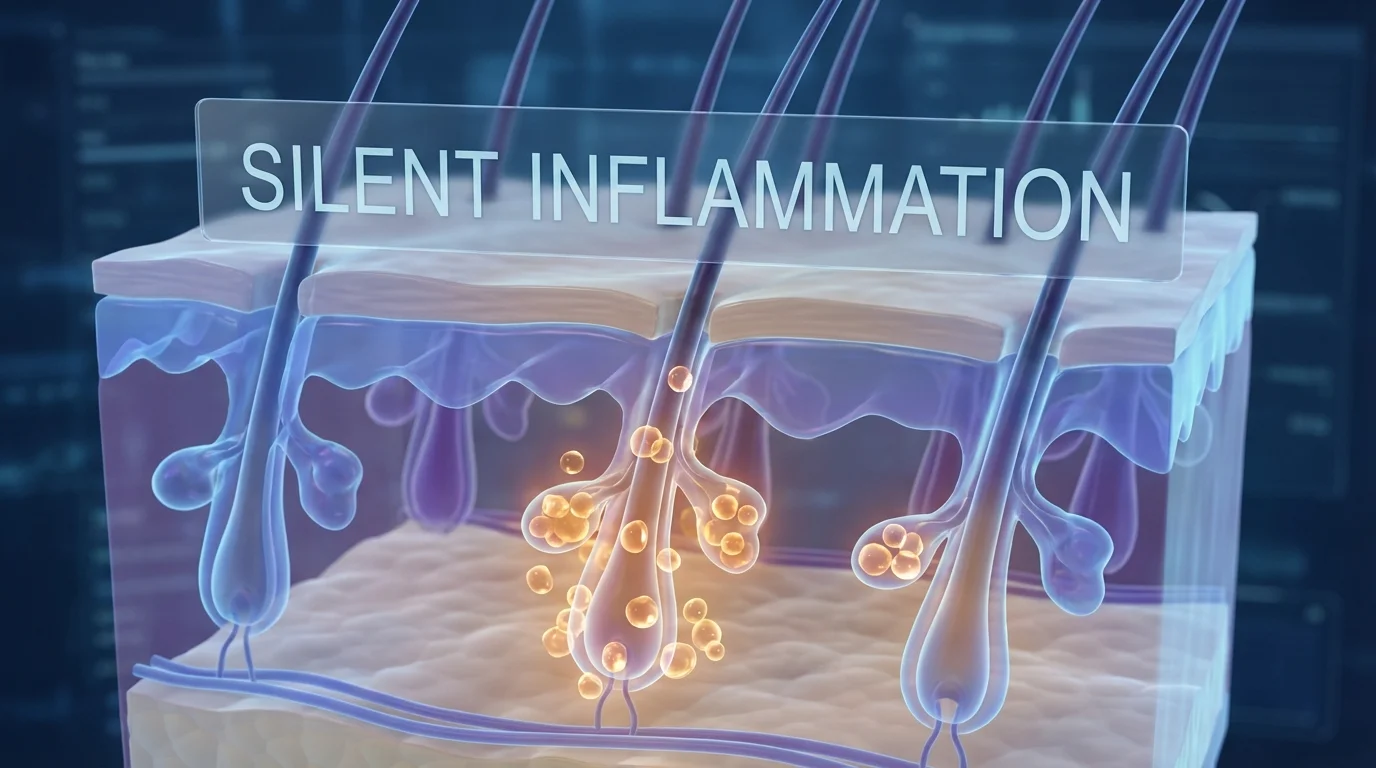
One of the most insidious causes of diffuse hair loss is chronic low-grade inflammation. Unlike acute inflammation, which presents with redness or pain, silent inflammation operates beneath the threshold of perception. We have found that systemic inflammation triggers the release of pro-inflammatory cytokines, such as TNF-alpha and Interleukin-6, which can signal the hair follicles to enter a premature resting state.
This inflammatory state is often driven by a variety of modern lifestyle factors, including a diet high in processed sugars and oxidative stress. When the body is in a state of constant inflammatory alert, it prioritizes essential survival functions over non-essential processes like keratin production. Consequently, the hair follicles receive fewer nutrients and less oxygen, leading to a weakened hair shaft and eventual shedding.
Furthermore, micro-inflammation at the scalp level can damage the extracellular matrix that supports the hair bulb. Without a robust structural foundation, the hair becomes poorly anchored. We emphasize that addressing inflammation through an antioxidant-rich diet and stress management is paramount to stabilizing the hair growth environment.
Medical illustration of scalp inflammation affecting hair follicles.
When patients seek answers for sudden hair thinning, they are often told their blood work is "normal." However, we have observed a significant gap between "clinically normal" ranges and "optimal" ranges for hair follicle regeneration. For instance, ferritin levels (the stored form of iron) may fall within the standard reference range, yet remain far below the threshold required for healthy hair growth.
We have identified that hair follicles are some of the most metabolically active cells in the human body. As such, they are highly sensitive to even minor fluctuations in micronutrient availability. Key deficiencies that often go unnoticed include:
Vitamin D3: This pro-hormone is essential for cycling the hair follicle. A deficiency can prevent the follicle from re-entering the anagen phase.
Zinc and Selenium: These trace minerals are crucial for protein synthesis and protecting the scalp from oxidative damage.
Biotin and B12: While biotin is frequently discussed, B12 is equally vital for red blood cell formation, which carries oxygen to the scalp.
In our view, achieving optimal hair density requires maintaining nutrient levels at the higher end of the laboratory spectrum. We recommend a comprehensive metabolic panel to identify these "hidden" gaps that may be starving your hair at the root.
Metabolic Health and Insulin Resistance: The Hormonal Hair Thief
Laboratory elements representing nutritional testing for hair health.
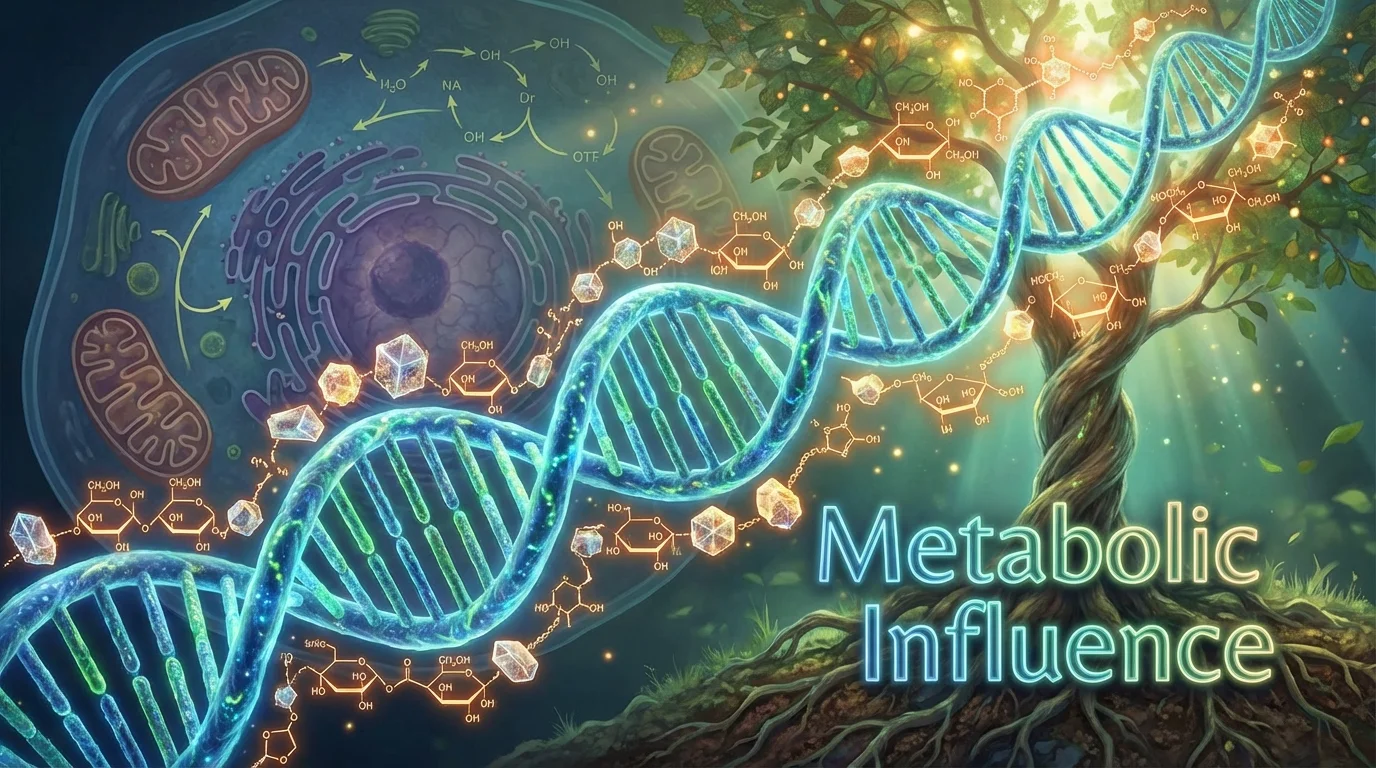
A frequently overlooked connection in the realm of trichology is the link between metabolic health and hair retention. Specifically, hyperinsulinemia—or chronically high insulin levels—can have a devastating impact on hair follicles. We have observed that insulin resistance often correlates with an increase in androgens (male hormones) in both men and women.
When insulin levels remain elevated due to high carbohydrate consumption or sedentary lifestyles, it can lower levels of Sex Hormone-Binding Globulin (SHBG). This protein's role is to bind to testosterone; when SHBG is low, more free testosterone is available to be converted into Dihydrotestosterone (DHT). DHT is the primary hormone responsible for follicular miniaturization, a process where the hair follicle shrinks until it can no longer produce a visible hair.
Addressing metabolic flexibility is therefore a cornerstone of our approach to preventing hair loss. By stabilizing blood sugar levels and improving insulin sensitivity, we can help mitigate the hormonal cascades that lead to thinning, particularly in the crown and temple areas.
The Scalp Microbiome: Understanding the Ecosystem of Your Hair
Digital art representing the link between metabolism and hair health.
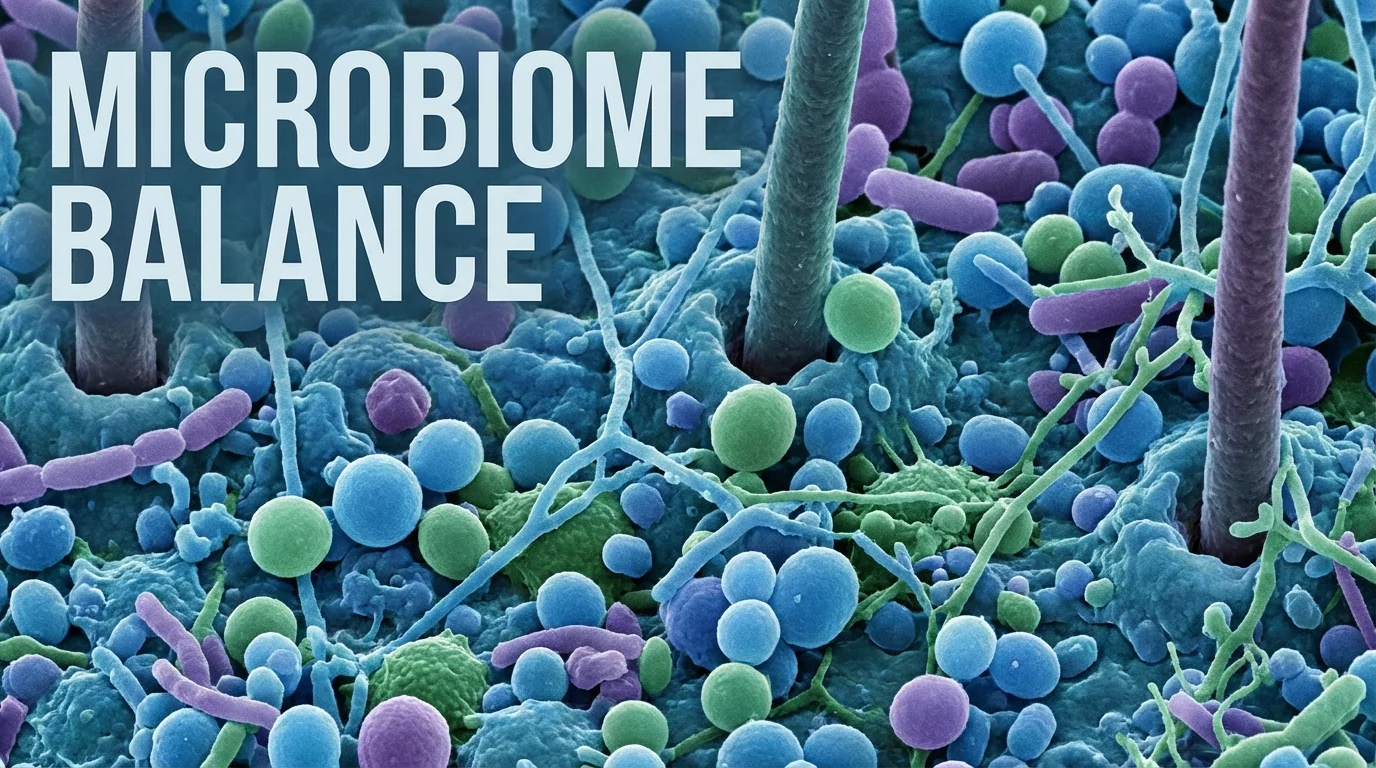
Just as the gut has a microbiome, the scalp possesses its own unique ecosystem of bacteria and fungi. We have found that an imbalance in the scalp microbiome, known as dysbiosis, is a major hidden driver of hair shedding. The primary culprit is often an overgrowth of Malassezia species, which can lead to seborrheic dermatitis and microscopic scarring.
A disrupted microbiome leads to a breakdown of the scalp's skin barrier. When this barrier is compromised, environmental toxins and pathogens can penetrate deeper into the dermis, causing localized immune responses that attack the hair follicle. Furthermore, excessive sebum production—often a result of hormonal shifts—can "suffocate" the follicle and foster the growth of detrimental microbes.
We advocate for a scalp care regimen that focuses on maintaining a pH-balanced environment. Avoiding harsh sulfates and utilizing prebiotic scalp treatments can restore the harmony of this ecosystem, ensuring that the hair follicles have a clean, nourished, and stable environment in which to thrive.
Environmental Stressors and Pollutants: The Impact of Modern Life
Microscopic view of a healthy scalp microbiome.
In our modern industrial society, we are constantly exposed to environmental stressors that our ancestors never encountered. Hard water, characterized by high concentrations of calcium and magnesium, can create a mineral film on the hair and scalp. This "calcification" can block the entry of topical treatments and moisture, leading to brittle strands and follicular clogging.
Beyond hard water, atmospheric pollution—specifically particulate matter (PM2.5)—has been shown to adhere to the hair shaft and scalp. These particles trigger the production of free radicals, which cause protein degradation in the hair fiber and oxidative stress in the scalp tissue. We have noted that individuals living in highly urbanized areas often experience higher rates of oxidative hair damage and premature shedding.
To combat these hidden environmental factors, we suggest the use of chelating shampoos to remove mineral buildup and the incorporation of topical antioxidants, such as Vitamin E or Ferulic Acid, to neutralize the effects of urban pollutants. Protecting the scalp from UV radiation is also essential, as sun damage can degrade the collagen structures surrounding the hair bulb.
Proactive Strategies for Restoring Hair Density and Vitality
Visual representation of urban pollution and its effect on hair.
Recognizing the hidden reasons your hair is falling out is the first step toward recovery. However, a multifaceted approach is required to reverse the thinning process and stimulate new hair growth. We believe that a synergy of internal nutrition, metabolic regulation, and topical care yields the most sustainable results.
Firstly, we recommend a nutrient-dense diet focused on high-quality proteins, healthy fats, and a wide array of colorful vegetables to combat systemic inflammation. Supplementation should be targeted and based on clinical testing rather than guesswork.
Secondly, we must emphasize the importance of scalp stimulation. Techniques such as scalp massage or the use of a derma roller can increase blood flow to the follicles, delivering the necessary nutrients and oxygen required for the anagen phase. This physical stimulation also helps in breaking up any calcification or tension in the scalp tissue.
Finally, we advise a review of your current hair care products. Many commercial shampoos contain silicones that provide a temporary shine but lead to long-term product buildup. Switching to clean, botanical-based formulations that support the acid mantle of the scalp will provide the long-term support your follicles need.
In conclusion, hair loss is rarely the result of a single factor. It is usually a cumulative response to various hidden triggers ranging from metabolic dysregulation to environmental toxicity. By addressing these five hidden reasons with scientific precision and a commitment to overall wellness, we can help you restore not only your hair's density but also your confidence and well-being. The journey to healthier hair begins with understanding the biology beneath the surface and taking proactive steps to nurture your body from the inside out.