This One Hair Care Mistake Is Destroying Your Hair
A woman looking frustrated while examining her dry, brittle hair in a mirror, illustrating the common hair care mistake of over-washing and scalp disruption.
This One Hair Care Mistake Is Destroying Your Hair
In our pursuit of pristine, salon-quality locks, we often fall into a cycle of over-maintenance that yields the exact opposite of our intended results. We invest in high-end serums, luxury shampoos, and expensive styling tools, yet many of us find our hair becoming increasingly brittle, dull, and prone to breakage. While environmental factors and genetics certainly play their roles, we have identified a singular, pervasive error that undermines almost every other effort in a hair care regimen. That mistake is over-cleansing and the disruption of the scalp’s natural ecosystem.
This practice, often driven by the misconception that "squeaky clean" equates to "healthy," is the primary catalyst for long-term structural damage. When we strip the hair of its essential oils, we trigger a cascade of biological responses that weaken the keratin structure and leave the cuticle exposed. In this comprehensive guide, we will examine the science of why this mistake is so destructive and provide a blueprint for restoring your hair’s natural vitality.
The Biological Impact of Over-Cleansing on the Scalp
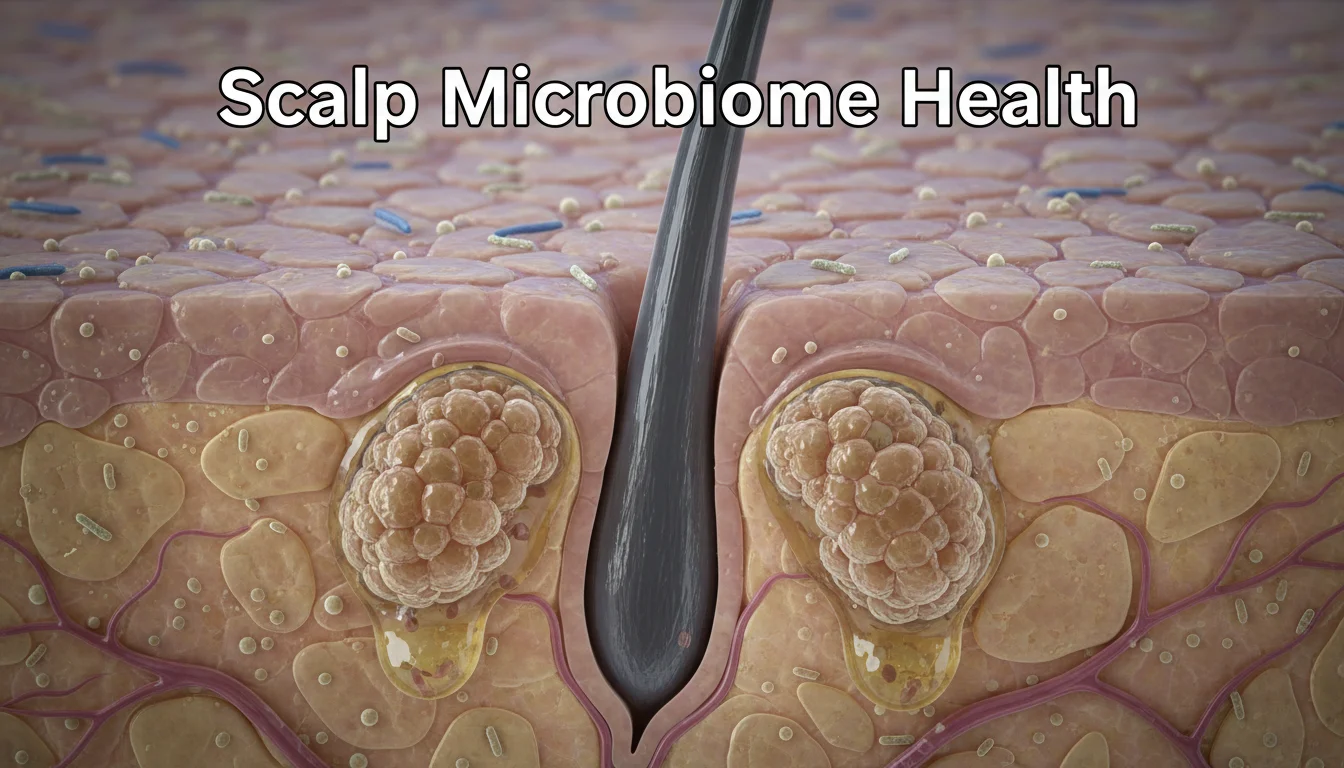
Microscopic view of a hair follicle and sebaceous gland illustrating scalp oil production.
The foundation of healthy hair is not the strand itself, but the scalp environment from which it grows. Every follicle is equipped with a sebaceous gland designed to produce sebum, a complex mixture of lipids that serves as a natural conditioner and protective barrier. When we wash our hair daily or use harsh, detergent-heavy shampoos, we effectively remove this vital defense mechanism.
The result of this constant stripping is a phenomenon known as reactive seborrhea. We have observed that when the scalp is consistently deprived of its natural oils, the sebaceous glands overcompensate by producing even more oil. This leads to a frustrating cycle where the individual feels the need to wash their hair more frequently to combat the perceived oiliness, further damaging the hair shaft and dehydrating the scalp.
Moreover, the scalp microbiome—a delicate balance of bacteria and fungi—requires a specific pH level to function correctly. Most commercial shampoos are alkaline, which disrupts the scalp's natural acidity (typically between 4.5 and 5.5). This disruption makes the scalp susceptible to inflammation, dandruff, and follicle miniaturization, which can ultimately lead to thinning hair.
Understanding Hygral Fatigue and the Hair Cuticle
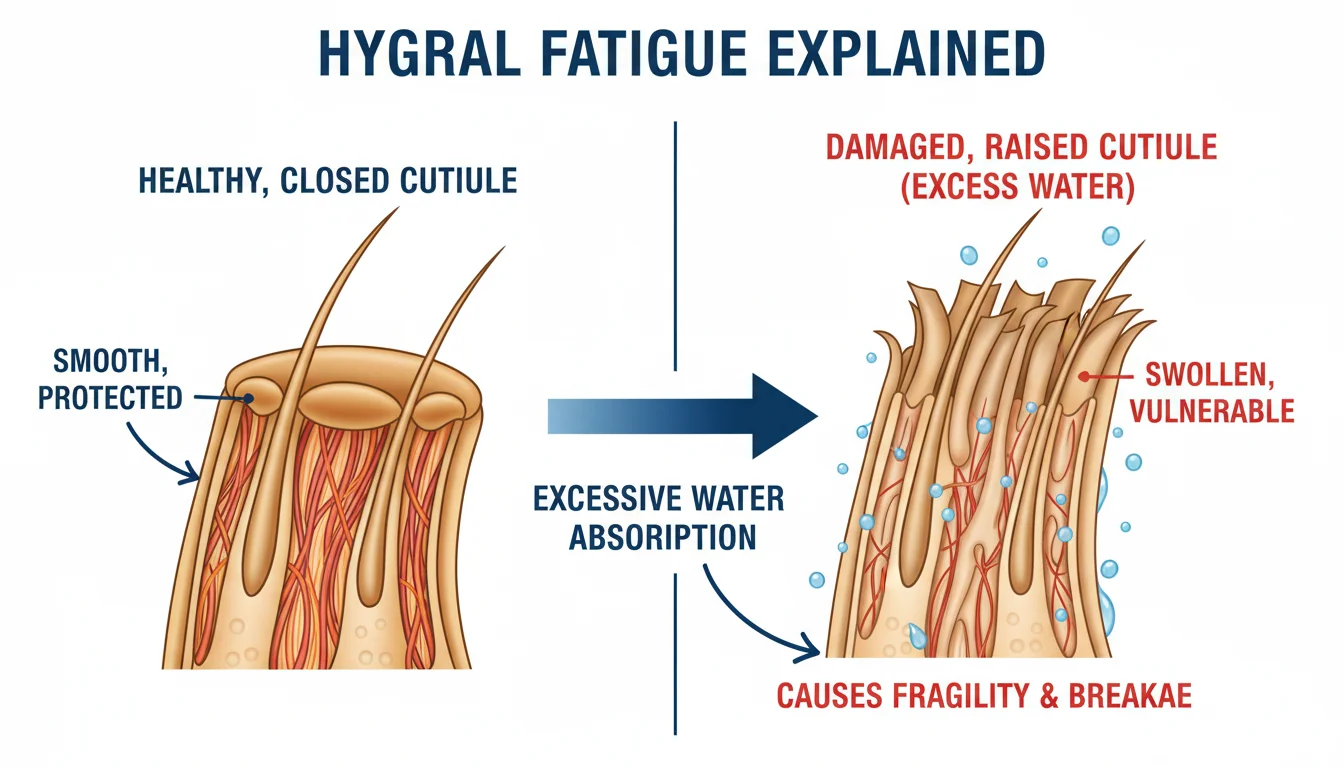
Comparison diagram of a healthy hair cuticle and one damaged by hygral fatigue.
The "one mistake" of over-washing extends beyond the scalp and directly impacts the physical integrity of the hair fiber through a process called hygral fatigue. We must understand that hair is hydroscopic, meaning it absorbs water easily. When hair is soaked, the inner cortex swells, pushing the outer cuticle scales outward. As the hair dries, the cortex contracts, and the scales attempt to flatten back down.
When we subjected our hair to this cycle of swelling and contracting too frequently—such as through daily washing—the cuticle scales eventually lose their elasticity. They may chip, crack, or remain permanently raised. A raised cuticle is the hallmark of damaged hair; it creates a rough texture, allows moisture to escape, and makes the hair highly susceptible to mechanical damage from brushing or styling.
Furthermore, wet hair is at its most vulnerable state. The hydrogen bonds that provide hair with its temporary strength are broken by water, making the hair significantly more elastic and prone to snapping. By over-washing, we are keeping our hair in this weakened state for prolonged periods, leading to split ends and mid-shaft breakage that can take years to grow out.
The Chemical Culprits: Sulfates and Harsh Surfactants
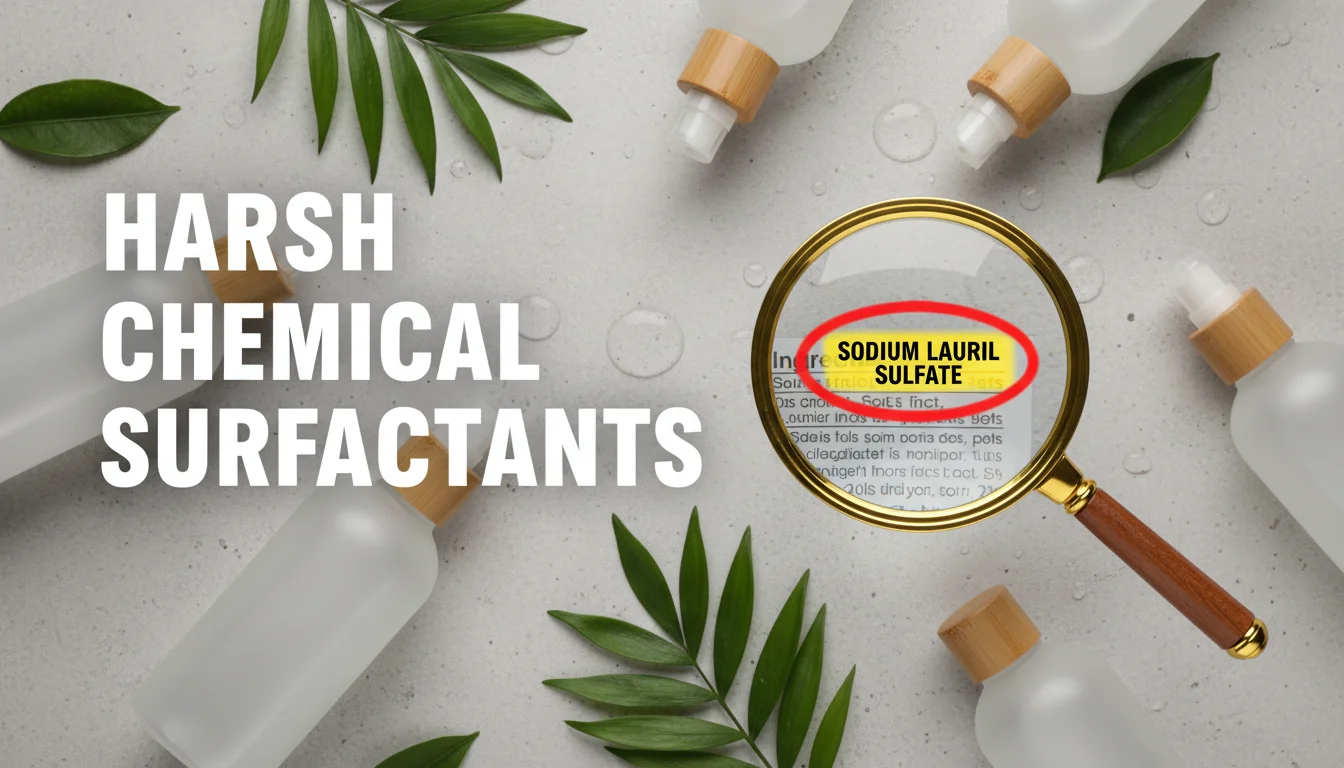
Ingredient list of a shampoo bottle highlighting sulfates under a magnifying glass.
The severity of the over-cleansing mistake is often exacerbated by the specific chemicals found in many mainstream hair care products. Sodium Lauryl Sulfate (SLS) and Sodium Laureth Sulfate (SLES) are powerful surfactants used to create the rich lather consumers have been conditioned to expect. However, these chemicals are also used as industrial degreasers.
We have found that these sulfates are highly effective at removing dirt, but they are equally "effective" at dissolving the lipid layer that binds the cuticle scales together. Once this lipid layer is compromised, the hair becomes porous. High-porosity hair cannot retain moisture, leading to a "straw-like" texture that resists even the most potent conditioners.
In addition to sulfates, many products contain synthetic silicones that provide a temporary illusion of shine. These silicones coat the hair, masking the damage caused by over-washing. However, they also prevent moisture from entering the hair shaft and require even harsher shampoos to remove the buildup. This creates a dependency on damaging cleansing agents, further entrenching the cycle of hair degradation.
How Thermal Trauma Compounds the Cleansing Mistake
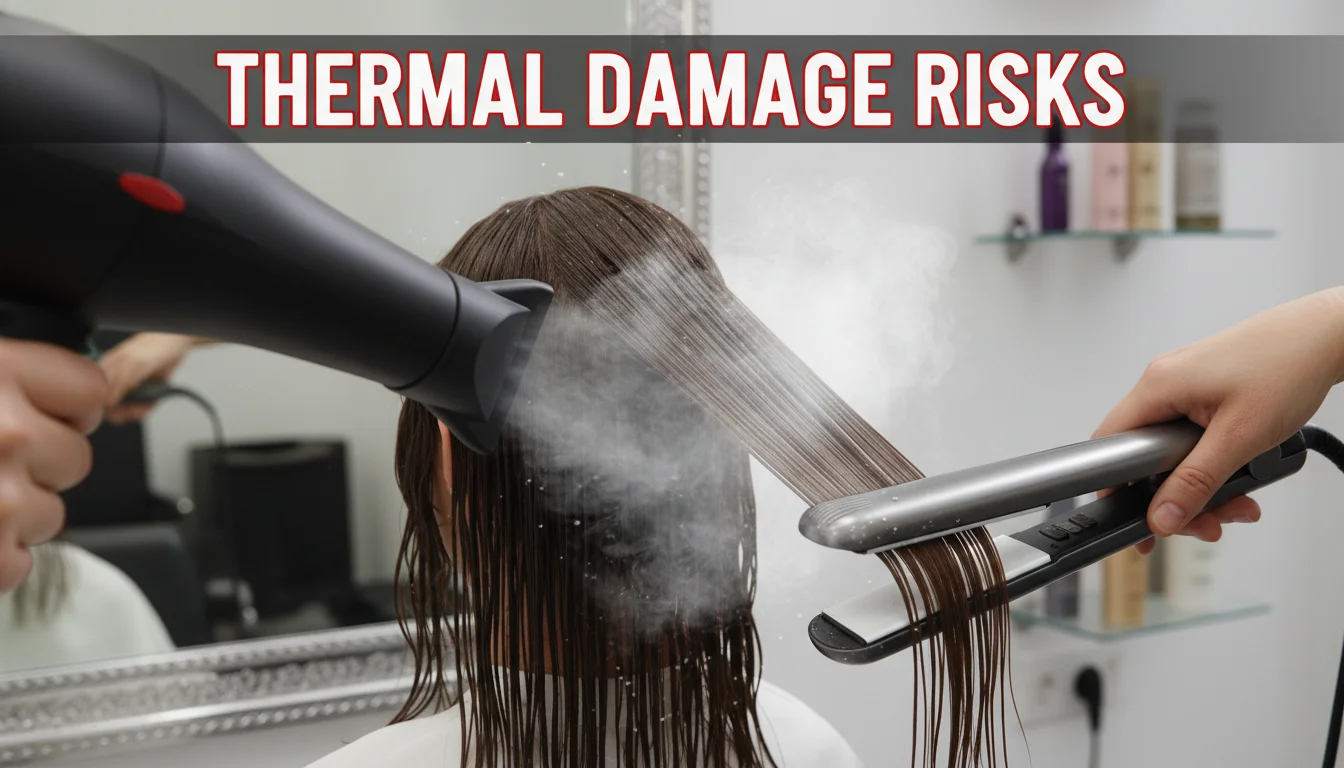
Close-up of hair being styled with heat tools illustrating potential thermal trauma.
The mistake of over-washing is rarely an isolated event; it is almost always followed by thermal styling. Because over-washed hair lacks its natural lipid protection, it is significantly more vulnerable to the high temperatures of blow dryers, curling irons, and straighteners.
When we apply heat to a hair shaft that has been stripped of its oils, the water remaining inside the cortex can reach boiling temperatures, causing "bubble hair"—a condition where the hair shaft literally develops tiny internal bubbles of steam that eventually burst through the cuticle. This structural failure is irreversible.
Furthermore, heat accelerates the depletion of alpha-keratin, the structural protein that gives hair its strength and resilience. Without the buffer of natural sebum or a high-quality heat protectant, the protein chains become denatured. We observe this as hair that loses its "bounce," fails to hold a curl, or becomes limp and lifeless. The synergy between over-cleansing and high-heat styling is arguably the fastest way to destroy the long-term health of your hair.
The Error of Mechanical Stress on Fragile Fibers
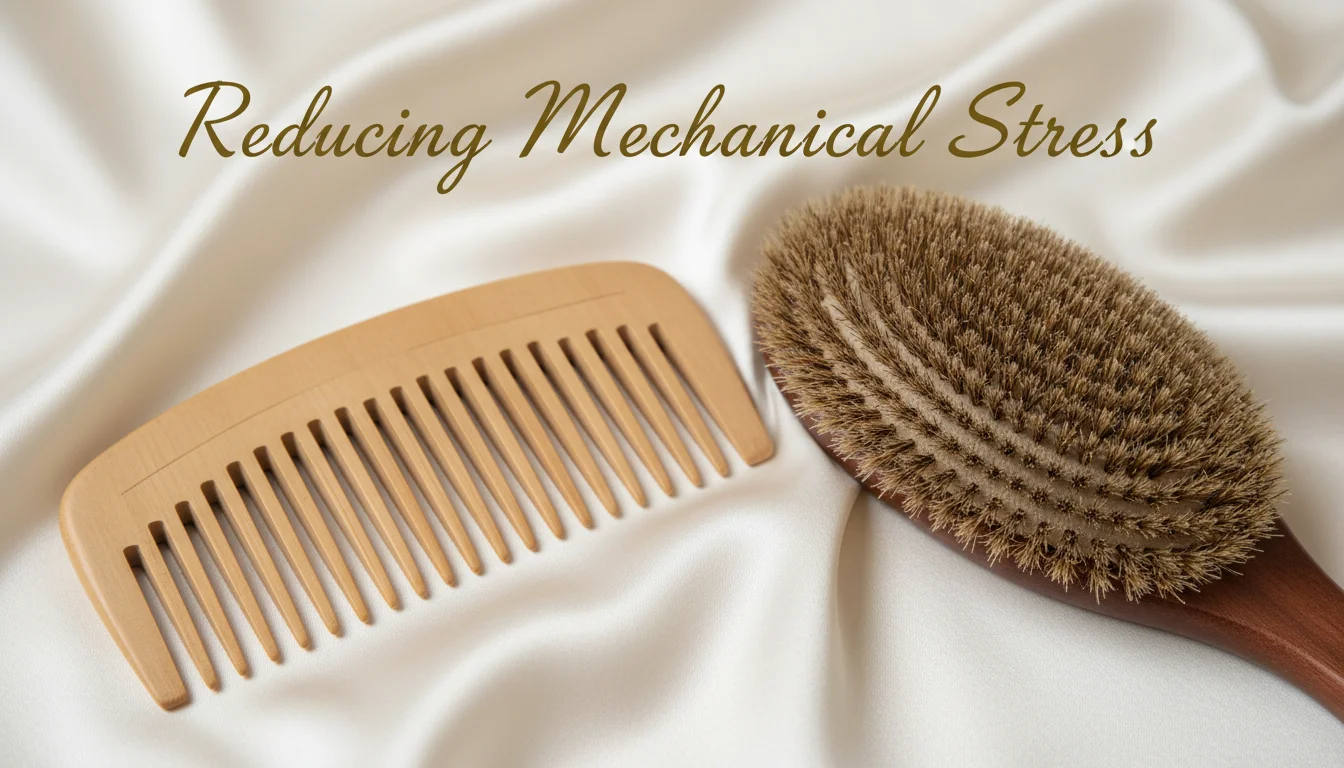
Gentle hair styling tools and a silk pillowcase for reducing mechanical hair damage.
Another facet of the over-washing mistake is the mechanical stress we apply during the drying and detangling process. Many individuals vigorously rub their hair with a cotton towel immediately after washing. This creates intense friction between the raised cuticles of the wet hair, leading to "fraying" of the hair fiber.
We recommend transitioning to a microfiber towel or a cotton T-shirt to gently squeeze out excess moisture rather than rubbing. Furthermore, the act of detangling hair while it is wet—without the slip provided by natural oils or a proper leave-in conditioner—causes the hair to stretch beyond its elastic limit.
Once a hair strand is stretched too far, it does not return to its original shape; it becomes thinner and eventually snaps. This is particularly prevalent around the hairline and the nape of the neck, where the hair is often finer. By washing less frequently, we reduce the number of times the hair is subjected to these high-risk mechanical processes, thereby preserving the tensile strength of the locks.
Transitioning to a Sustainable Hair Care Routine
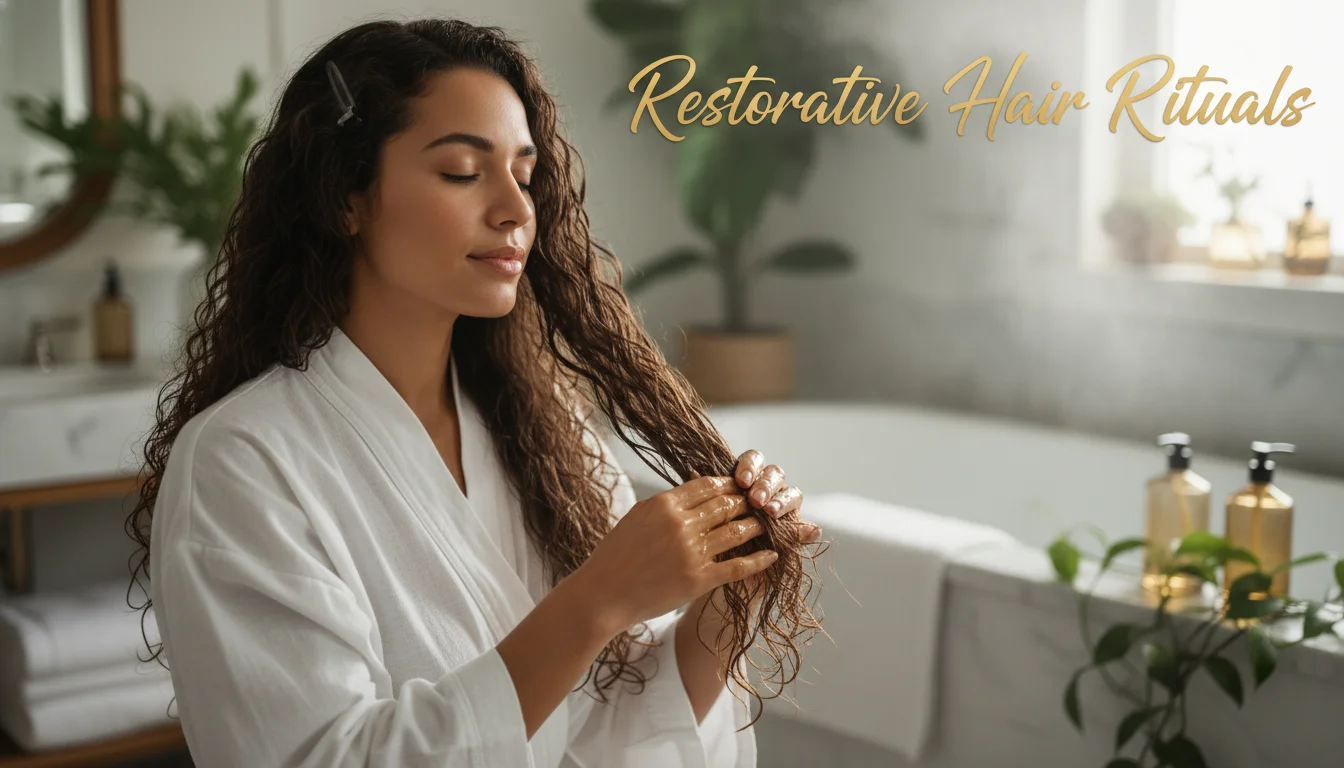
Woman applying a pre-shampoo hair oil treatment as part of a restorative routine.
Correcting the mistake of over-washing requires a strategic transition period. We cannot simply stop washing the hair overnight, as the scalp's overactive sebaceous glands will initially produce excess oil. Instead, we must retrain the scalp and adopt a restorative protocol.
We suggest starting with the "pre-poo" method. Before washing, apply a natural oil—such as jojoba or argan oil—to the mid-lengths and ends of the hair. This creates a protective barrier that prevents the shampoo from stripping the internal moisture while still allowing the scalp to be cleansed.
Next, we must embrace the concept of co-washing (conditioner-only washing) or using a "low-poo" (sulfate-free) cleanser. These products remove excess debris without totally de-fatting the hair fiber. By gradually increasing the time between washes—moving from daily to every three or four days—the scalp will eventually reach a state of homeostasis, and the hair will regain its natural luster.
Optimizing Product Selection Based on Hair Porosity
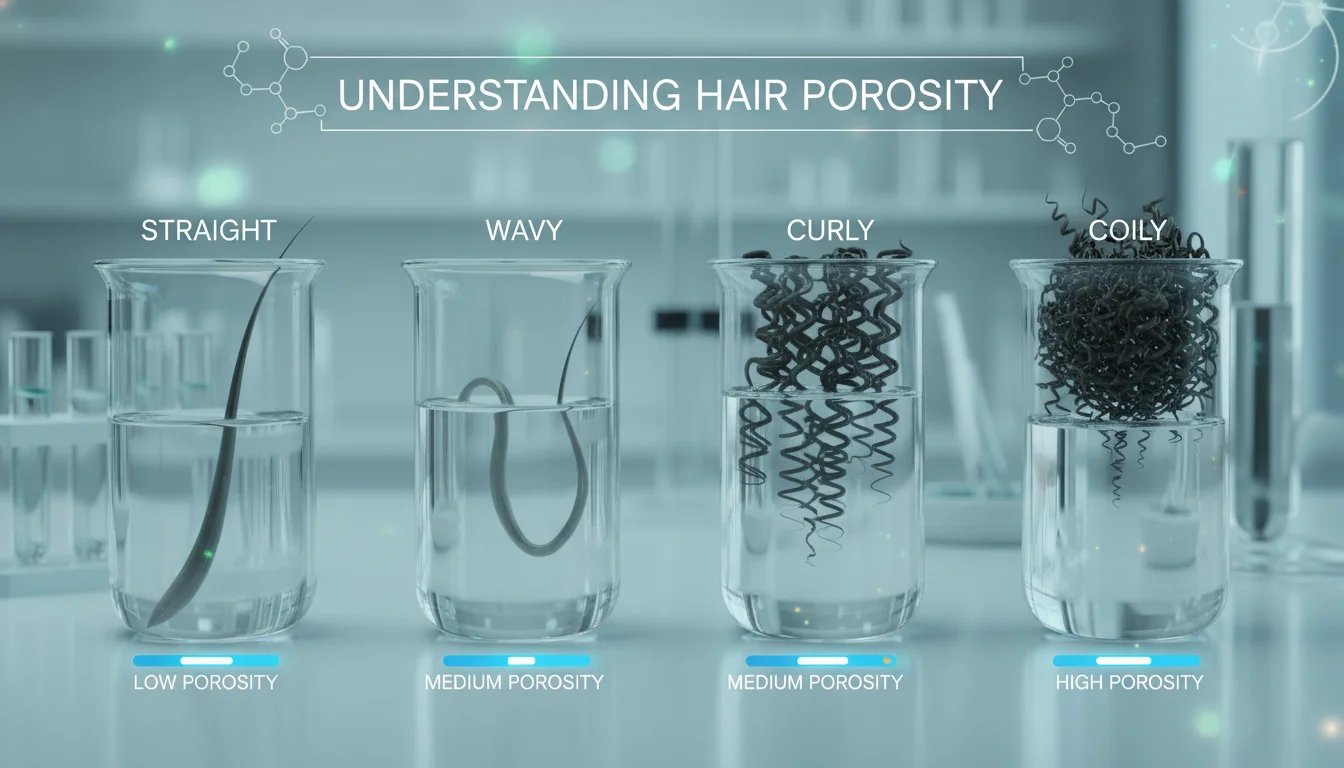
Visualization of different hair types and their respective porosity levels.
To truly fix the damage caused by the "one mistake," we must align our product choices with our hair porosity. Porosity refers to how easily your hair absorbs and retains moisture, and it is largely dictated by the state of the cuticle.
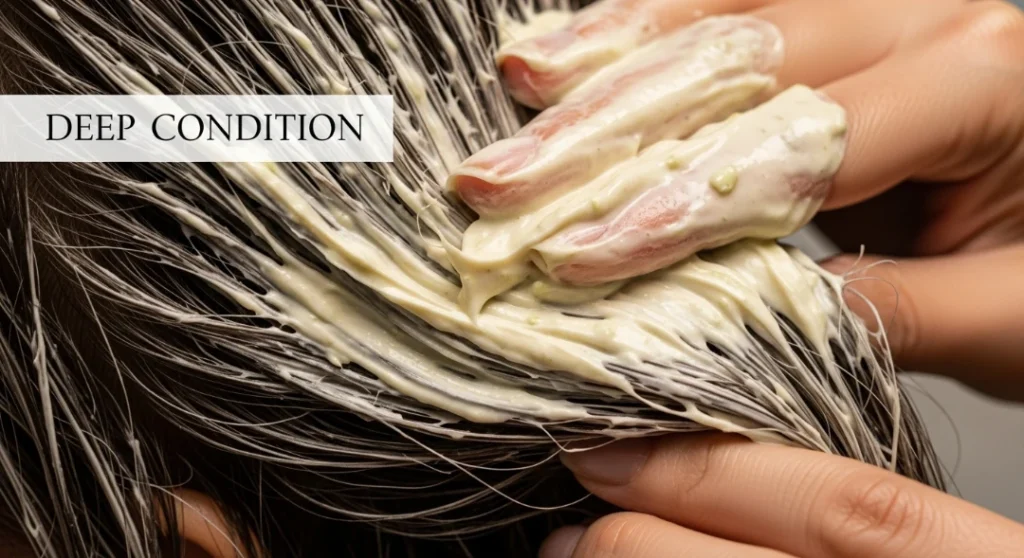
Low Porosity: This hair has tightly bound cuticles that resist moisture. We find that heavy oils and thick creams will simply sit on the surface, leading to buildup. For this hair type, we recommend using heat during conditioning treatments to help open the cuticle and allow penetration.
Medium Porosity: Often considered the ideal state, this hair requires a balanced approach to protein and moisture. We suggest regular maintenance to prevent the damage that leads to high porosity.
High Porosity: This is often the result of the over-washing mistake. The cuticles are widely spaced or missing. This hair needs protein-rich treatments to temporarily fill the gaps in the cuticle and heavy sealants (like shea butter or heavier oils) to lock in moisture.
By understanding your porosity, you can select products that work with your hair's current state rather than against it. This targeted approach ensures that the efforts you make to reduce washing frequency are supported by the correct biochemical support.
The Long-Term Vision for Hair Health
In conclusion, the journey to exceptional hair is not found in more products, but in less interference. By identifying and correcting the mistake of over-cleansing, we protect the scalp microbiome, prevent hygral fatigue, and preserve the structural integrity of the keratin fiber.
We must view hair care as an extension of our overall health—a practice rooted in balance and biological respect. When we stop fighting against our hair’s natural defenses and start supporting them, we see a transformation that no commercial treatment can replicate. The path to resilient, radiant hair begins with the simple decision to stop over-washing and start listening to the needs of your scalp and strands. Through patience and the application of these professional principles, we can reverse the damage and achieve the hair we have always desired.