The Everyday Hair Care Habits Most People Ignore (And Why They Matter More Than Products)
We often find ourselves searching for the holy grail of hair products, spending hundreds of dollars on luxury shampoos, silicone-heavy serums, and intensive masks, yet we overlook the foundational behaviors that dictate the actual health of our strands. While a high-quality formulation can certainly assist in managing hair texture, the biological integrity of our hair is largely determined by the repetitive, everyday actions we take—or fail to take. We must recognize that hair is a non-living fiber once it emerges from the scalp; therefore, preservation and prevention are far more effective than any "repairing" treatment marketed to consumers.
In this comprehensive guide, we examine the subtle yet transformative hair care habits that are frequently ignored by the average person. From the physics of mechanical stress during detangling to the chemistry of water temperatures and the biological necessity of scalp hygiene, we will explore why these behavioral shifts are the true drivers of lustrous, resilient hair.
The Science of Mechanical Stress: Mastering Gentle Detangling
A wide-tooth wooden comb being used to gently detangle hair strands.
Most individuals treat their hair with a level of aggression that causes micro-trauma to the cuticle. We often observe people brushing from the root downward or tugging through knots with narrow-bristled brushes, especially when the hair is wet. This is a critical error because hair is at its most vulnerable state when saturated with water. When hair absorbs moisture, the hydrogen bonds are temporarily broken, making the shaft more elastic but significantly more prone to stretching and snapping.
We advocate for a "bottom-up" approach to detangling. By starting at the ends and working toward the roots in small sections, we eliminate tangles without placing unnecessary tensile stress on the hair follicle. Furthermore, the choice of tools is paramount. Replacing plastic brushes with wide-tooth combs or brushes featuring flexible bristles can drastically reduce breakage. We must also emphasize the importance of pre-wash detangling. Brushing the hair while it is dry—and its protein structures are stable—before entering the shower prevents the formation of "bird's nests" during the shampooing process, thereby minimizing the need for aggressive post-wash manipulation.
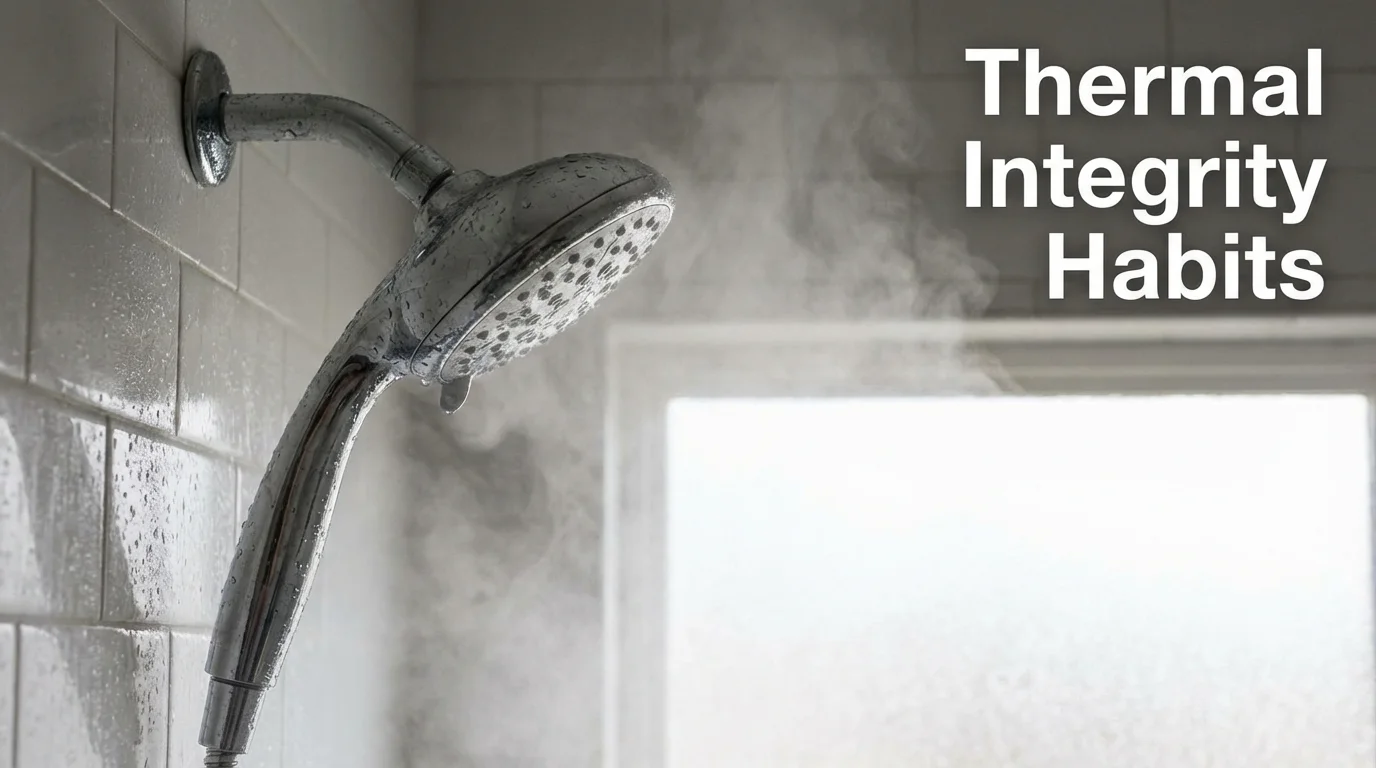
Steamy shower environment symbolizing the impact of hot water on hair.
When we discuss heat damage, the conversation usually centers on flat irons and curling wands. However, we must address the invisible heat damage caused by daily habits, such as excessively hot showers. While a steaming hot shower may be relaxing, it is detrimental to the hair’s lipid barrier. Hot water raises the hair cuticle, allowing moisture to escape and leaving the hair porous and brittle. It also strips the scalp of natural sebum, which is essential for lubricating the hair shaft and protecting it from environmental stressors.
We suggest a transition to lukewarm water for the cleansing phase, followed by a cool-water rinse. This final step helps to "seal" the cuticle, laying the scales flat to reflect light and enhance natural shine. Additionally, we often ignore the impact of environmental heat, specifically UV radiation
. Just as we protect our skin, our hair requires protection from the sun's rays, which can degrade keratin proteins and fade both natural and synthetic pigments. Incorporating hats or UV-filtering mists into our daily routine is a habit that yields long-term dividends in color retention and structural strength.
Scalp Microbiome Maintenance: The Foundation of Growth
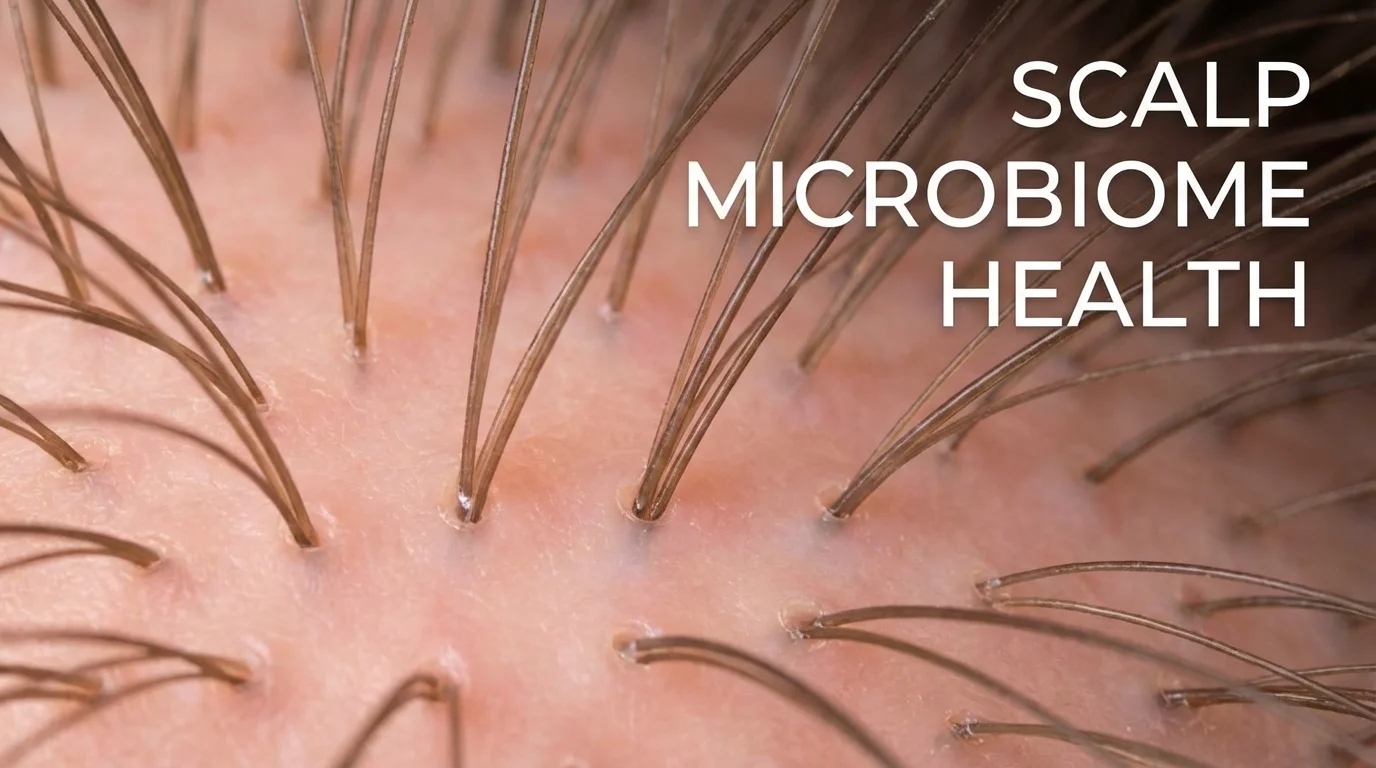
Close-up of a clean and healthy human scalp.
We cannot achieve healthy hair without a healthy scalp, yet the scalp is often treated as an afterthought. Many people focus solely on the "ends" of the hair while neglecting the follicular environment. The scalp is a complex ecosystem populated by diverse bacteria and fungi, known as the microbiome. When this balance is disrupted by product buildup, excessive sebum, or infrequent washing, it can lead to inflammation, dandruff, and even oxidative stress at the root, which inhibits healthy growth.
We emphasize the habit of scalp exfoliation and thorough cleansing. This does not necessarily require harsh scrubs; rather, it involves a dedicated scalp massage during the shampooing process. Using the pads of the fingers to move the scalp skin in circular motions increases blood circulation, ensuring that oxygen and vital nutrients reach the hair bulb. Furthermore, we must be mindful of the "acid mantle" of the scalp. Maintaining a pH-balanced environment (typically around 5.5) prevents the overgrowth of Malassezia, a yeast-like fungus that contributes to scalp irritation. By prioritizing scalp hygiene as a skincare-adjacent habit, we create the optimal conditions for prolonged growth cycles.
Nighttime Rituals: Protecting Strands During Sleep
Silk pillowcase and silk scrunchie representing nighttime hair protection.
It is a common misconception that hair care ends when the sun goes down. In reality, the eight hours we spend in bed can be the most damaging period for our hair due to nocturnal friction. Cotton pillowcases, though comfortable, are actually quite abrasive at a microscopic level. As we move in our sleep, the hair fibers rub against the cotton, leading to cuticle abrasion, frizz, and the formation of knots.
We recommend switching to silk or satin pillowcases. These materials provide a "slip" that allows the hair to glide without catching. Moreover, we must discourage the habit of sleeping with wet hair. As previously mentioned, wet hair is weakened; the combination of moisture and the pressure of the head against a pillow can cause the hair to deform and break. Instead, we should ensure the hair is completely dry and secured in a loose, protective style, such as a silk scrunchie bun or a loose braid. This prevents tangling and reduces the mechanical tension on the hairline, which is a major contributor to traction-related thinning.
The Impact of Hard Water and Environmental Pollutants
Water splashing to represent the importance of water quality in hair care.
Many individuals wonder why their hair feels "filmy" or straw-like despite using high-end conditioners. The culprit is often the mineral content of the water in their home. Hard water contains high concentrations of calcium and magnesium, which react with shampoo to create "soap scum" that adheres to the hair shaft. This mineral buildup creates a barrier that prevents moisture from penetrating the hair, leading to chronic dryness.
We believe that installing a shower filter is one of the most impactful, yet ignored, hair care habits. By filtering out chlorine and heavy metals, we allow the hair to remain soft and responsive to treatments. In addition to water quality, we must consider atmospheric pollutants. Smog and particulate matter can settle on the hair, causing oxidative damage and dullness. A simple habit of rinsing the hair or using a chelating shampoo once or twice a month can effectively remove these invisible inhibitors, restoring the hair's natural vitality and movement.
Nutritional Synergy: Internal Support for External Shine
A variety of nutrient-dense foods that support hair health from within.
We often view hair health through a topical lens, but hair is essentially a reflection of our internal physiological state. No topical serum can compensate for a deficiency in essential vitamins and minerals. The hair follicle is one of the most metabolically active parts of the body, yet because hair is non-essential for survival, the body will divert nutrients away from the hair to more vital organs during times of scarcity.
We must cultivate the habit of consuming a nutrient-dense diet rich in proteins, as hair is primarily composed of a protein called keratin. Amino acids are the building blocks of this structure. Furthermore, biotin, iron, and zinc play crucial roles in cellular turnover and the maintenance of the hair cycle. Hydration is equally critical; water is necessary for the transport of these nutrients to the follicle. We should treat our nutritional intake as the "internal conditioner" that sustains the tensile strength and elasticity of the hair from the moment of its inception.
Consistency and Professional Maintenance: Preventing the Upward Split
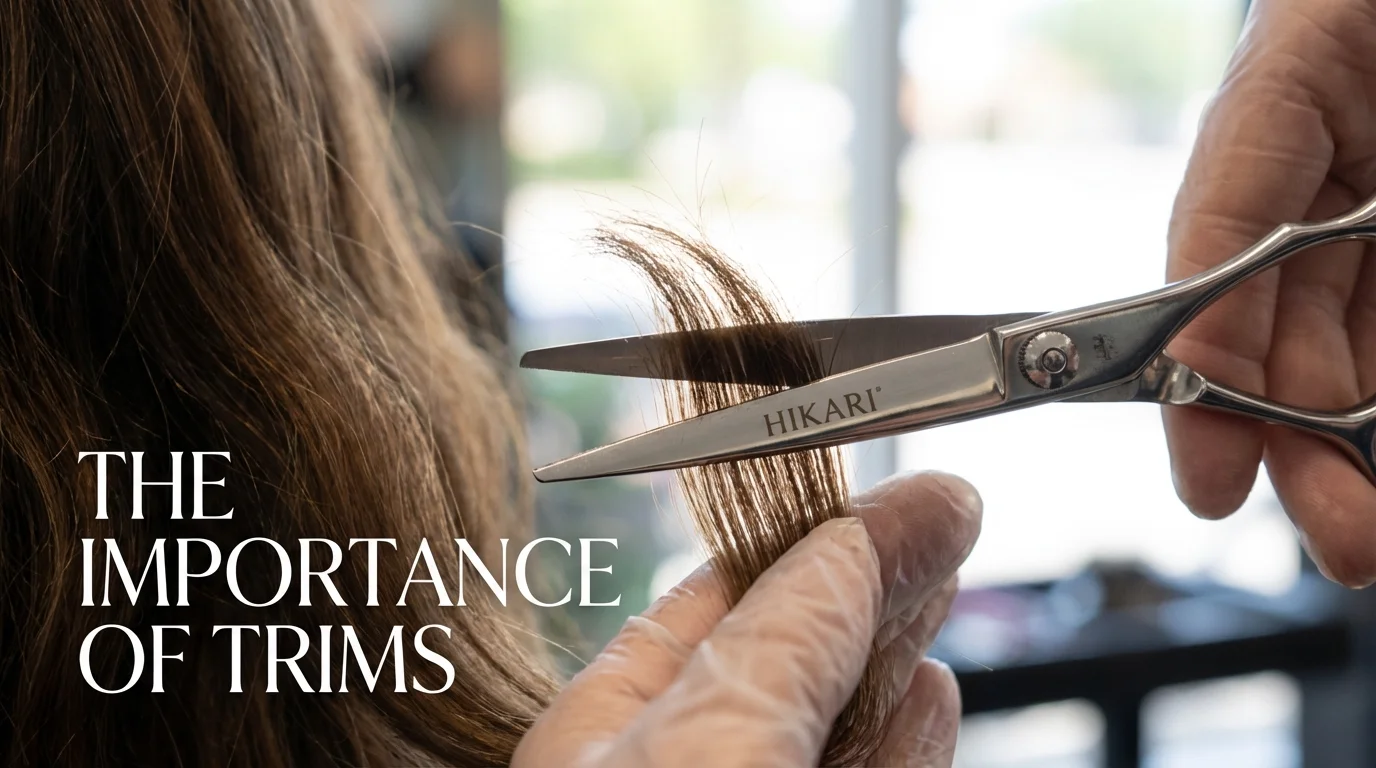
Professional hair scissors performing a clean trim on hair ends.
One of the most paradoxical habits people ignore is the regular trim. Those attempting to grow their hair long often avoid the salon for months, fearing the loss of length. However, ignoring split ends is counterproductive. Once a hair fiber splits at the tip, the damage acts like a "run" in a stocking, traveling up the hair shaft and destroying healthy sections of the hair.
We advocate for a schedule of micro-trims every 8 to 12 weeks. This habit ensures that we remove damaged ends before they can compromise the rest of the strand. Consistency is the hallmark of professional-grade hair care. It is not about the occasional deep-conditioning treatment but the relentless adherence to protective habits. By maintaining a schedule and refusing to wait until the damage is visible to the naked eye, we preserve the integrity of the hair's diameter, leading to hair that looks thicker and more cohesive from root to tip.
The Paradigm Shift: Habits Over Products
In conclusion, we must shift our perspective from a "fix-it" mentality to a preservationist philosophy. The most expensive products in the world cannot repair a cuticle that has been shredded by aggressive brushing, scorched by scalding water, or suffocated by hard water minerals. While the beauty industry will always prioritize the sale of the next "miracle" bottle, we know that the true secret to exceptional hair lies in the mundane, daily choices we make.
By adopting these often-ignored habits—gentle detangling, lukewarm rinses, scalp-focused cleansing, nighttime protection, and consistent maintenance—we take control of our hair's destiny. These practices require no significant financial investment, only a commitment to mindful care. When we align our daily rituals with the biological needs of our hair, the result is a level of health and radiance that no product alone could ever achieve. We invite you to audit your current routine and begin implementing these foundational shifts today; your hair will undoubtedly reflect the care you invest in it.