How to Create Outfits That Work for Multiple Parts of Your Day
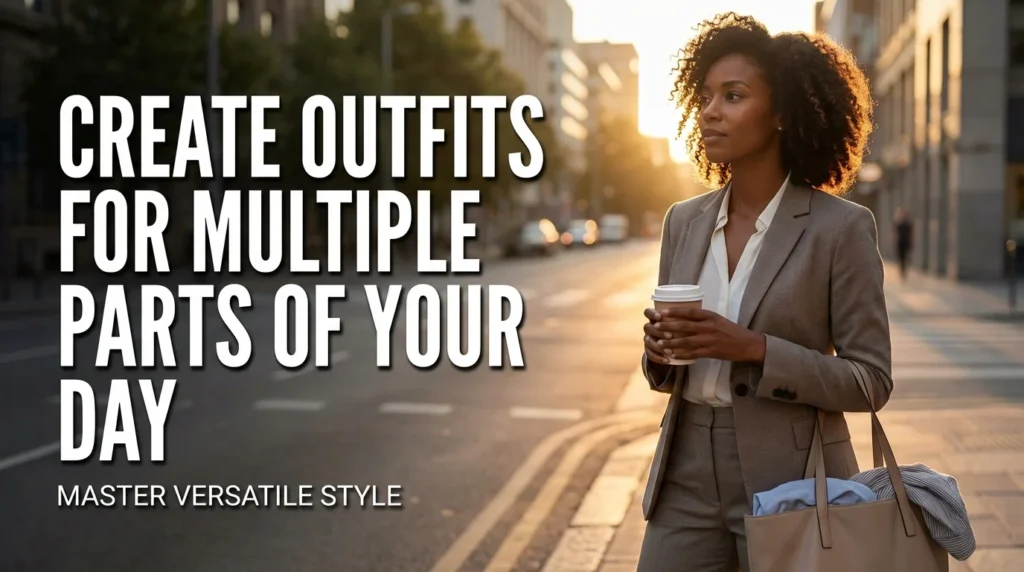
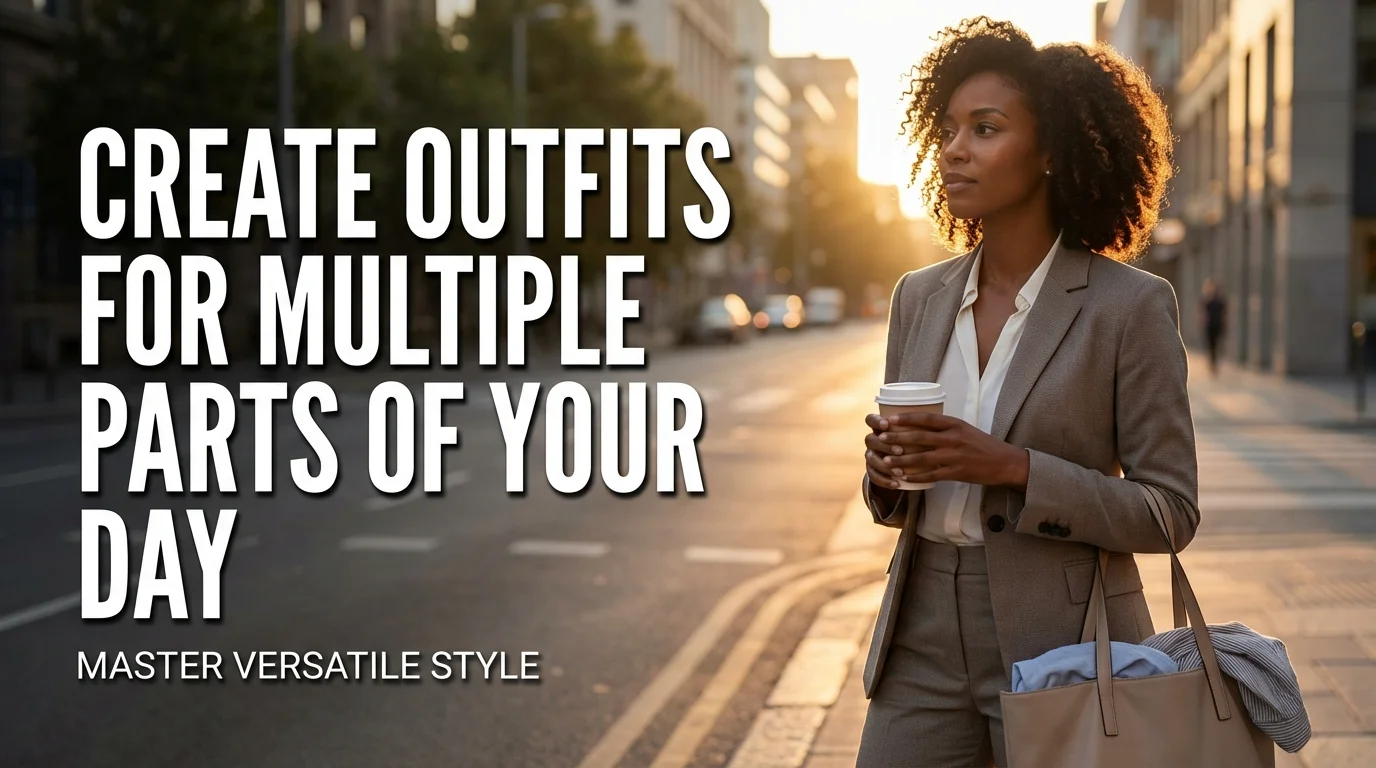
The modern lifestyle demands an unprecedented level of flexibility and adaptability. We find ourselves navigating through a myriad of environments within a single twelve-hour window—transitioning from high-stakes corporate boardrooms to casual coffee consultations, and finally to sophisticated evening social engagements. The challenge lies in maintaining a consistent sense of style and professionalism without the luxury of frequent wardrobe changes. We believe that mastering the art of the multi-purpose outfit is not merely a convenience; it is a strategic approach to personal branding and time management.
By understanding the principles of sartorial versatility, we can curate a wardrobe that functions as hard as we do. This involves a deep dive into fabric selection, the psychology of layering, and the transformative power of accessories. In this comprehensive guide, we explore the essential techniques required to build ensembles that remain effortlessly chic from the first morning meeting to the final evening toast.
Building a Foundation with Versatile Capsule Pieces
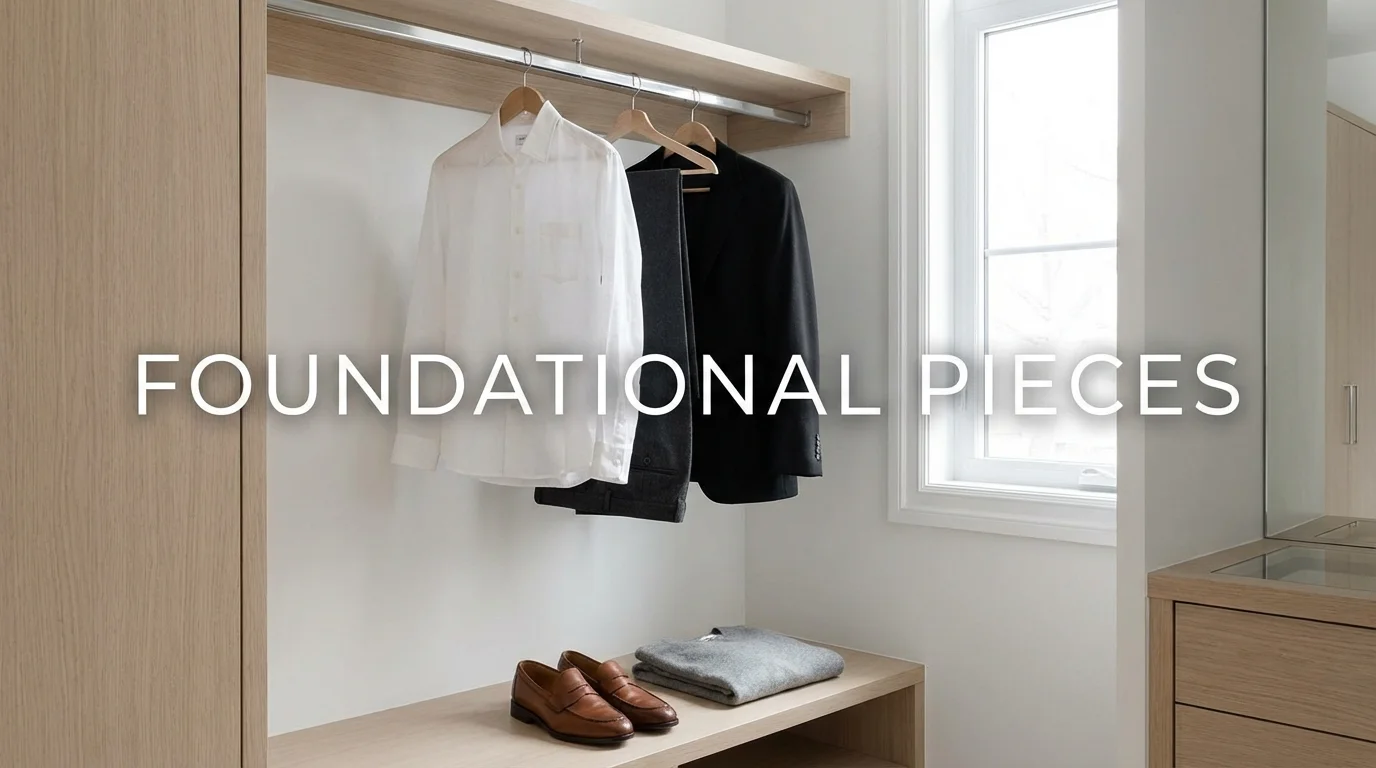
A minimalist wardrobe with high-quality neutral clothing.
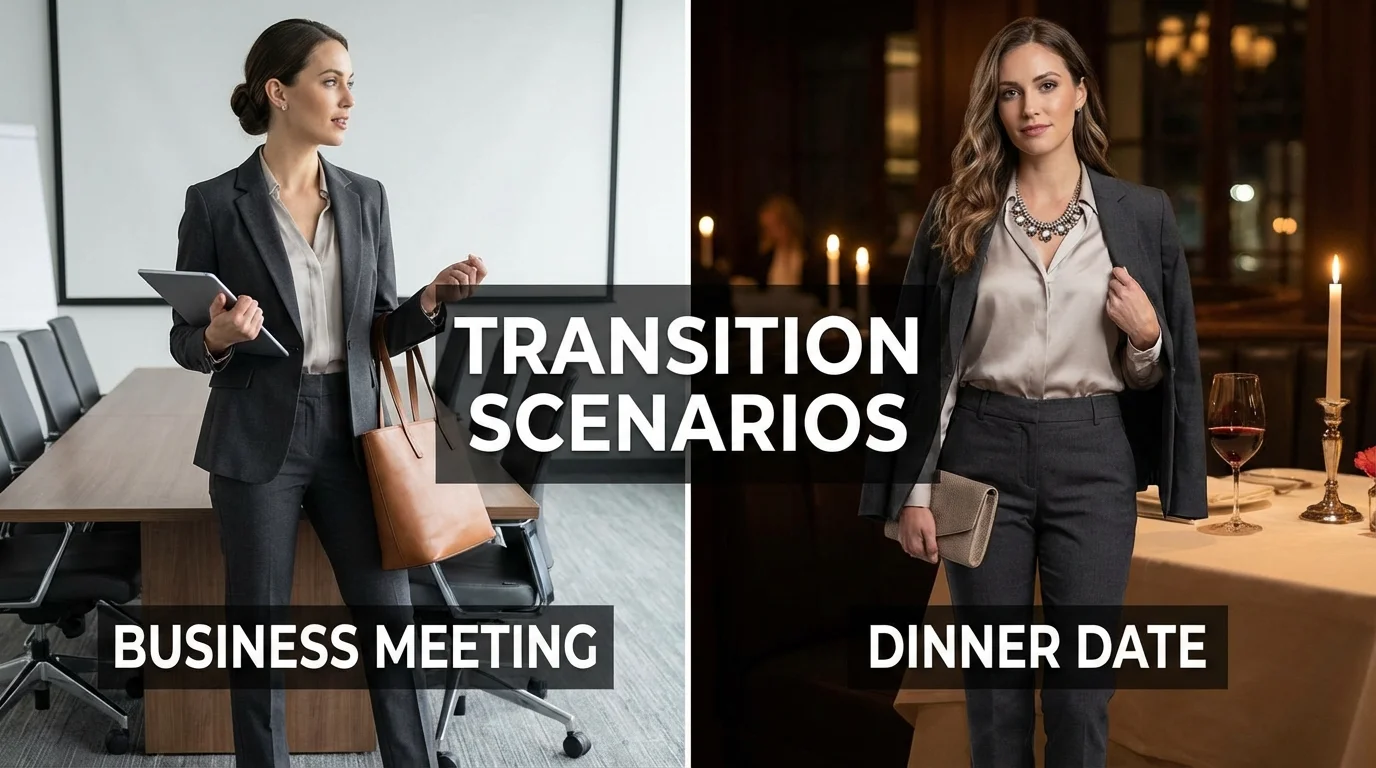
The cornerstone of any outfit designed for longevity is the foundational layer. We prioritize pieces that possess clean lines, neutral palettes, and superior tailoring. These items serve as the canvas upon which we build more complex looks throughout the day. A well-fitted blazer in navy or charcoal, for instance, provides an immediate sense of authority during business hours but can be effortlessly draped over the shoulders for a more relaxed, "editor-style" look during dinner.
Similarly, the importance of tailored trousers cannot be overstated. When we select trousers crafted from high-quality wool blends or heavy crepes, we ensure they maintain their shape through hours of sitting and movement. These pieces bridge the gap between formal and casual. When paired with a crisp white shirt, they exude corporate readiness; when swapped for a fine-gauge knit or a silk camisole later in the day, they transition into the realm of refined evening wear. We recommend investing in "investment pieces" that offer a timeless silhouette, as these are the most reliable components of a multi-part daily wardrobe.
The Strategic Power of Layering for Environmental Adaptability
A woman modeling a layered outfit suitable for changing temperatures and settings.
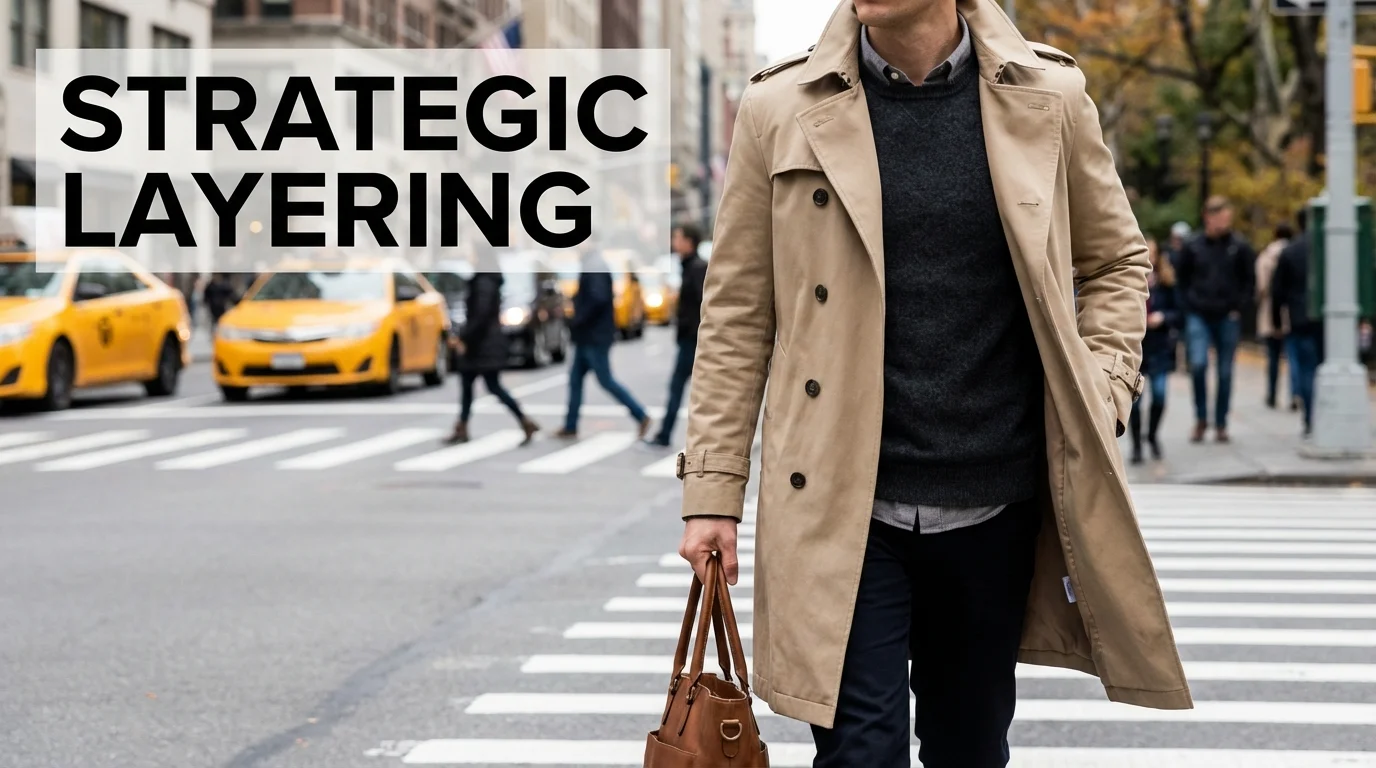
Layering is the most effective tool in our arsenal for managing fluctuating temperatures and varying levels of formality. We view layering as a modular system that allows us to add or subtract "formality" as required. A merino wool cardigan or a structured vest can be worn over a dress or blouse to provide warmth and a professional finish in air-conditioned offices. As the day progresses toward a more casual setting, removing these outer layers reveals a more streamlined, approachable silhouette.
Furthermore, we must consider the outerwear as an integral part of the outfit rather than an afterthought. A classic trench coat or a tailored overcoat acts as a unifying element that keeps the underlying ensemble protected and polished. The key to successful layering is ensuring that each layer is aesthetically pleasing on its own. We avoid using layers simply to hide "incomplete" outfits; instead, we ensure that the base layer
is just as thoughtfully curated as the final outer garment. This allows us to transition between environments with total confidence, knowing we are appropriately dressed regardless of which layer we are currently wearing.
Footwear Solutions: Navigating from Commute to Cocktails
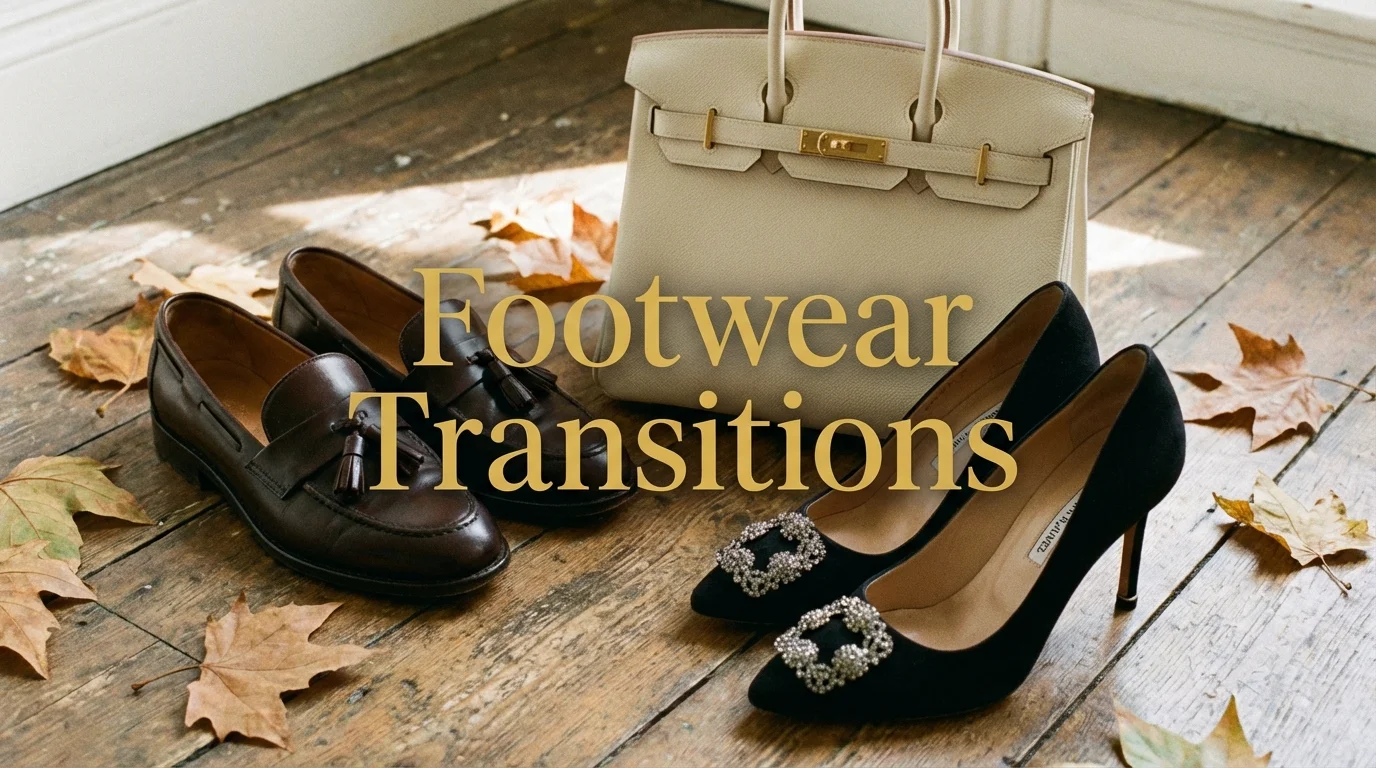
Professional loafers and high-heeled pumps arranged on a marble floor.
Footwear is often the most significant indicator of an outfit's intended environment. To create an outfit that works for multiple parts of the day, we must select shoes that balance comfort with sophistication. For the morning commute and the bulk of the working day, we often lean toward polished loafers, pointed-toe flats, or block-heel boots. These options provide the necessary support for movement while maintaining a professional aesthetic.
However, the transition to evening frequently requires a shift in "visual weight." We suggest keeping a pair of elegant pumps or strappy sandals in a desk drawer or a vehicle. By simply changing our footwear, we can instantly elevate a pair of jeans and a blazer into a look suitable for a high-end restaurant or a gallery opening. If a shoe change is not possible, we recommend choosing hybrid footwear—such as a sleek, low-profile leather boot or a refined slingback—that bridges the gap between utilitarian and decorative. The goal is to ensure the feet are neither underdressed for the boardroom nor overdressed for a casual lunch.
Leveraging Accessories to Shift the Aesthetic Narrative
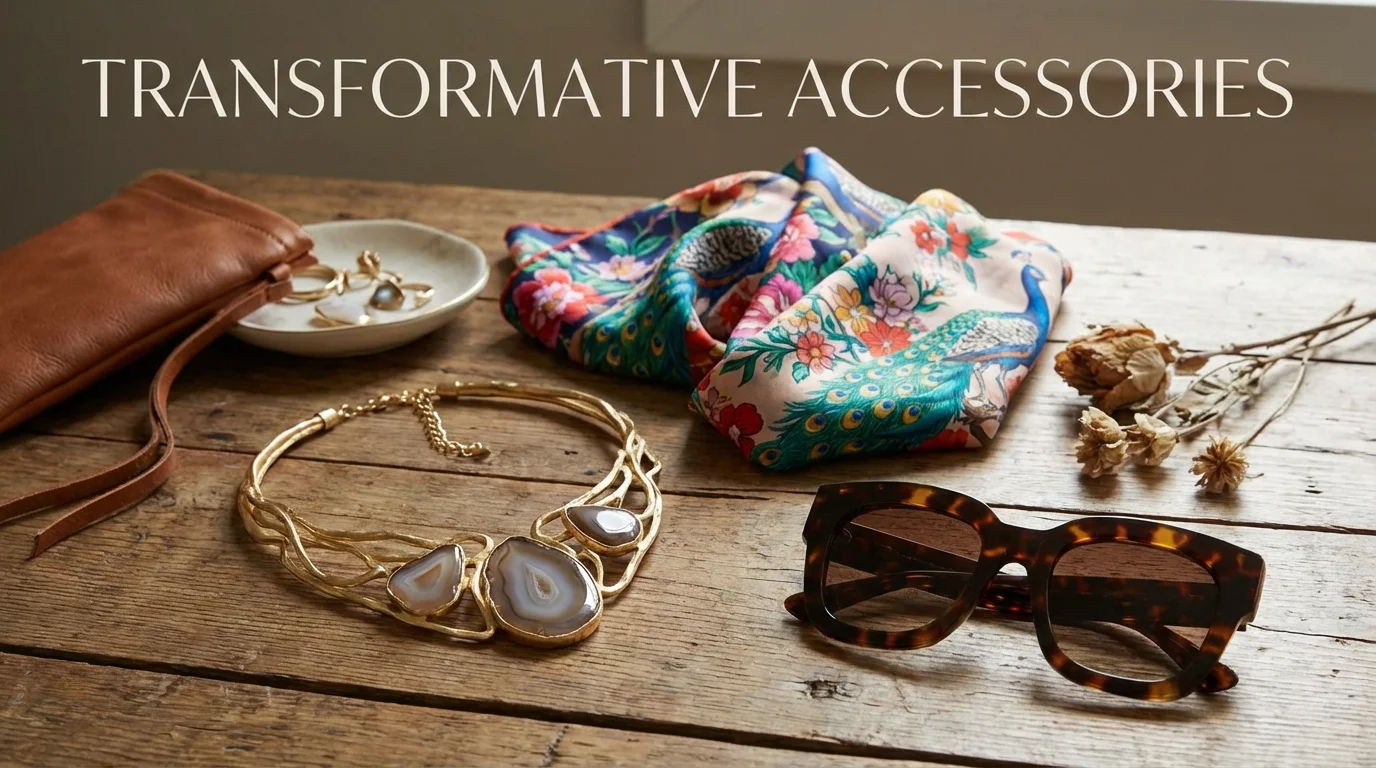
High-end jewelry and accessories displayed on a vanity.
Accessories are the "punctuation marks" of fashion; they define the tone of the entire sartorial sentence. We utilize accessories to signal a shift in the intended vibe of an outfit without changing the core garments. During the professional portion of the day, we recommend minimalist jewelry—perhaps small gold hoops or a classic timepiece—and a structured, large-capacity tote bag that can hold a laptop and daily essentials.
As we move into the social or evening phase of our day, we can introduce statement pieces. Swapping a daytime tote for a sleek envelope clutch immediately signals a transition away from work. Replacing a subtle necklace with a bold, sculptural piece or adding a vibrant silk scarf can inject personality and "after-hours" flair into an otherwise neutral ensemble. We also consider the role of eyewear and makeup as part of this accessory strategy. A quick application of a bolder lip color or a shift from optical glasses to designer sunglasses can radically alter the perception of the outfit, making it feel fresh and intentional for the new setting.
Choosing Fabrics and Textures for All-Day Resilience
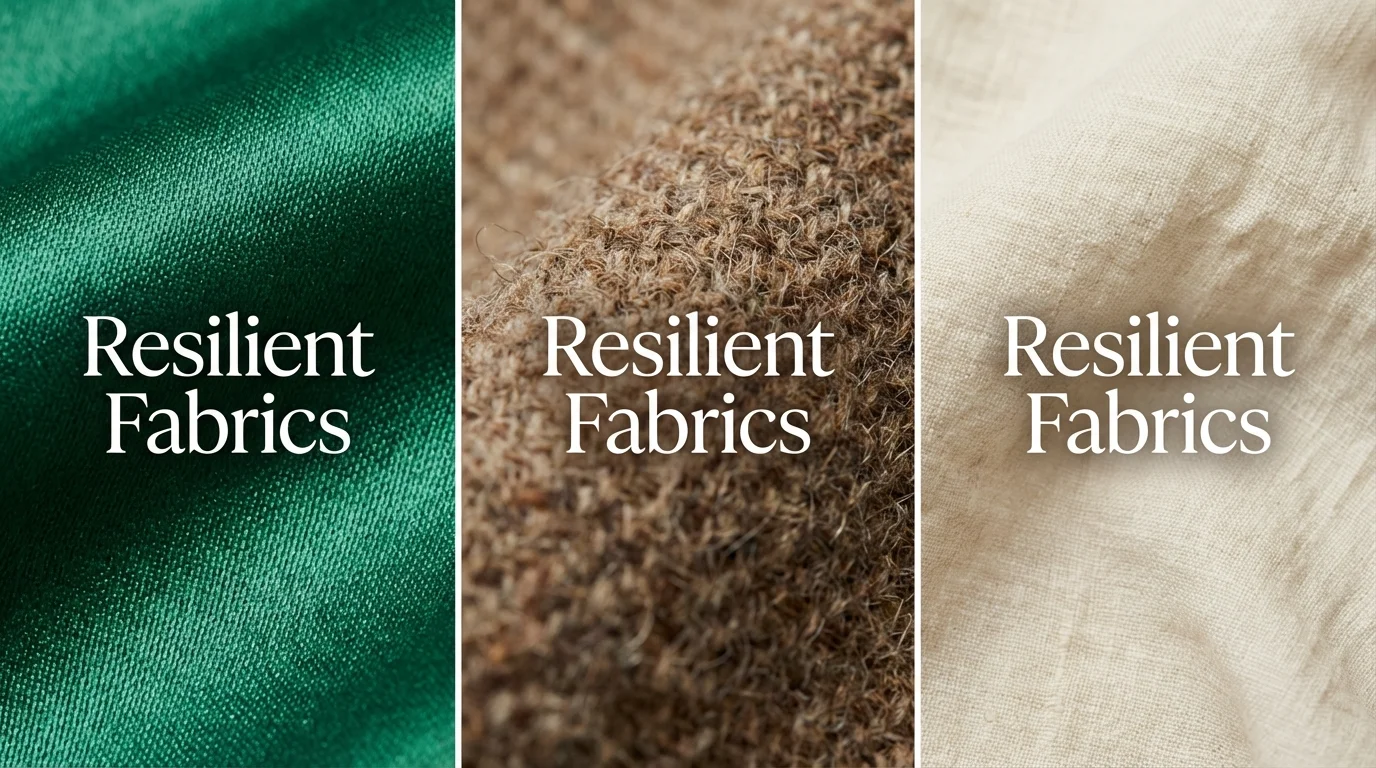
Detailed view of premium garment textures and weaves.
The functionality of an outfit that must last all day is largely dependent on fabric performance. We steer clear of materials that wrinkle easily, such as pure linen or thin cotton, as these can look disheveled by noon. Instead, we favor performance blends and natural fibers known for their resilience. Wool gabardine, high-twist cotton, and silk jerseys are excellent choices because they resist creasing and maintain a crisp appearance through hours of wear.
Texture also plays a vital role in how an outfit is perceived across different lighting conditions. While matte textures like brushed cotton or wool are ideal for the diffused light of an office, adding a touch of sheen—perhaps through a satin camisole or a polished leather belt—allows the outfit to catch the evening light beautifully. We also look for fabrics with a slight stretch, such as elastane-infused denim or ponte knit, which offer the comfort required for a long day without sacrificing the structured look necessary for professional environments. By selecting fabrics that are both durable and luxurious, we ensure our outfits look as impeccable at 8:00 PM as they did at 8:00 AM.
Mastering a Cohesive and Sophisticated Color Palette
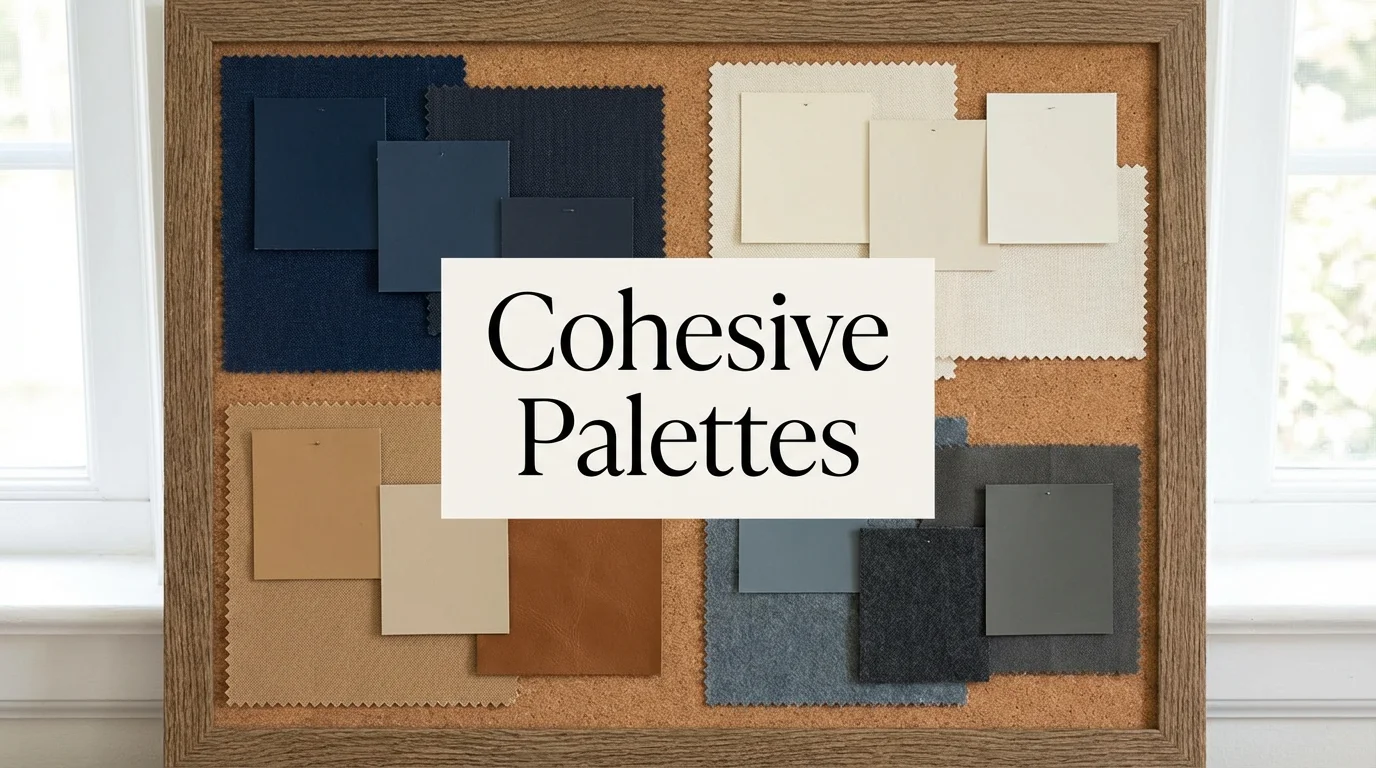
A professional mood board showing a neutral and sophisticated color scheme.
To ensure that various pieces can be mixed, matched, and layered throughout the day, we advocate for a cohesive color palette. A foundation of neutrals—such as black, navy, cream, camel, and grey—provides the maximum amount of versatility. These colors are inherently sophisticated and transition seamlessly between different social contexts. When we work within a monochromatic or tonal framework, the outfit appears more intentional and high-end, which is particularly useful when we need to command a room.
However, a neutral base does not mean a lack of color. We use "accent shades" to provide visual interest and to adapt the look to the time of day. For instance, an all-navy ensemble can be brightened with a crisp white layer for a morning presentation and then deepened with rich burgundy or forest green accessories for a winter evening event. By keeping the majority of the outfit within a consistent color family, we reduce the risk of "clashing" as we add or remove layers, ensuring a harmonious appearance through every transition.
Practical Scenarios: Executing the Day-to-Night Transformation
Side-by-side comparison of a versatile outfit adapted for two different settings.
To truly understand how to create outfits that work for multiple parts of the day, we should look at specific practical applications. Consider the "Office to Gallery Opening" scenario. We start with a midi-length slip dress paired with a structured blazer and loafers for the workday. The blazer provides the necessary professional coverage. Upon leaving the office, we remove the blazer, swap the loafers for heeled sandals, and add a pair of statement earrings. The result is an elegant evening look that feels entirely different from the daytime version.
Another common scenario is the "Travel to Meeting" transition. We suggest wearing high-quality knit trousers and a matching turtleneck—a look that is comfortable for flight or rail travel but looks like a coordinated suit. Upon arrival, we add a tailored topcoat and a structured leather bag. This allows us to move from the transit lounge to the boardroom without the need for a hotel stop. These scenarios highlight that the key to versatility is foresight and preparation. By visualizing the entire day's itinerary during the morning dressing process, we can choose the "hero pieces" that will carry us through every appointment with grace and style.
Conclusion: The Modern Philosophy of Intentional Dressing
We believe that the ability to create outfits that work for multiple parts of the day is a hallmark of the modern, sophisticated individual. It reflects a level of organization, self-awareness, and respect for both one's time and the environments one enters. By focusing on quality over quantity, prioritizing versatile foundations, and mastering the subtle art of the accessory swap, we can eliminate the stress of "what to wear" and focus on the tasks at hand.
Ultimately, a versatile wardrobe is an empowering tool. It ensures that we are never caught off guard by a last-minute invitation or a sudden shift in plans. When we dress with intention, we are prepared for every opportunity the day might present. We invite you to audit your current wardrobe through this lens of multi-functional elegance—identifying the pieces that serve you throughout the day and those that hold you back. Through strategic curation, every outfit can become a seamless bridge between the many facets of your vibrant life.