
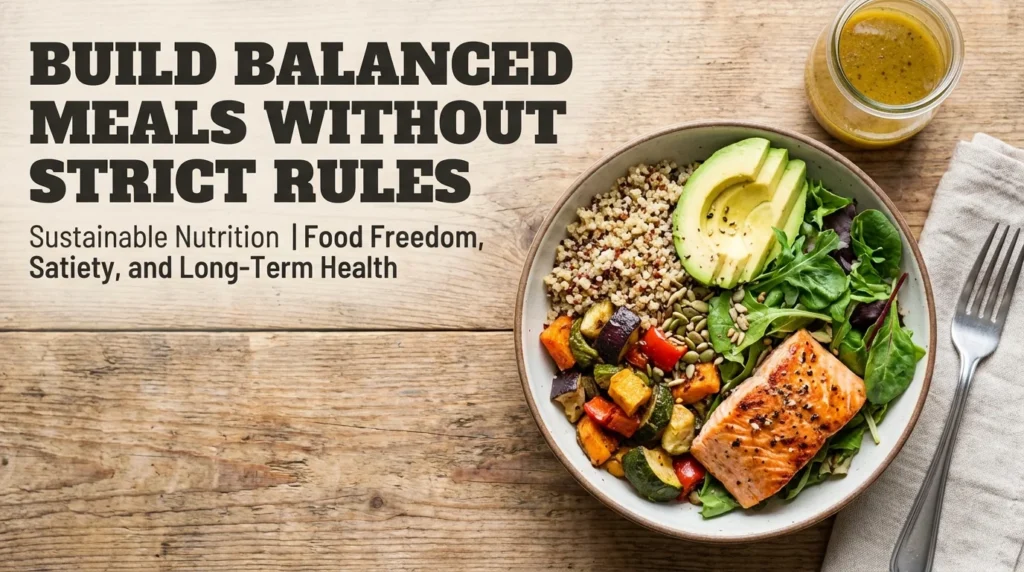
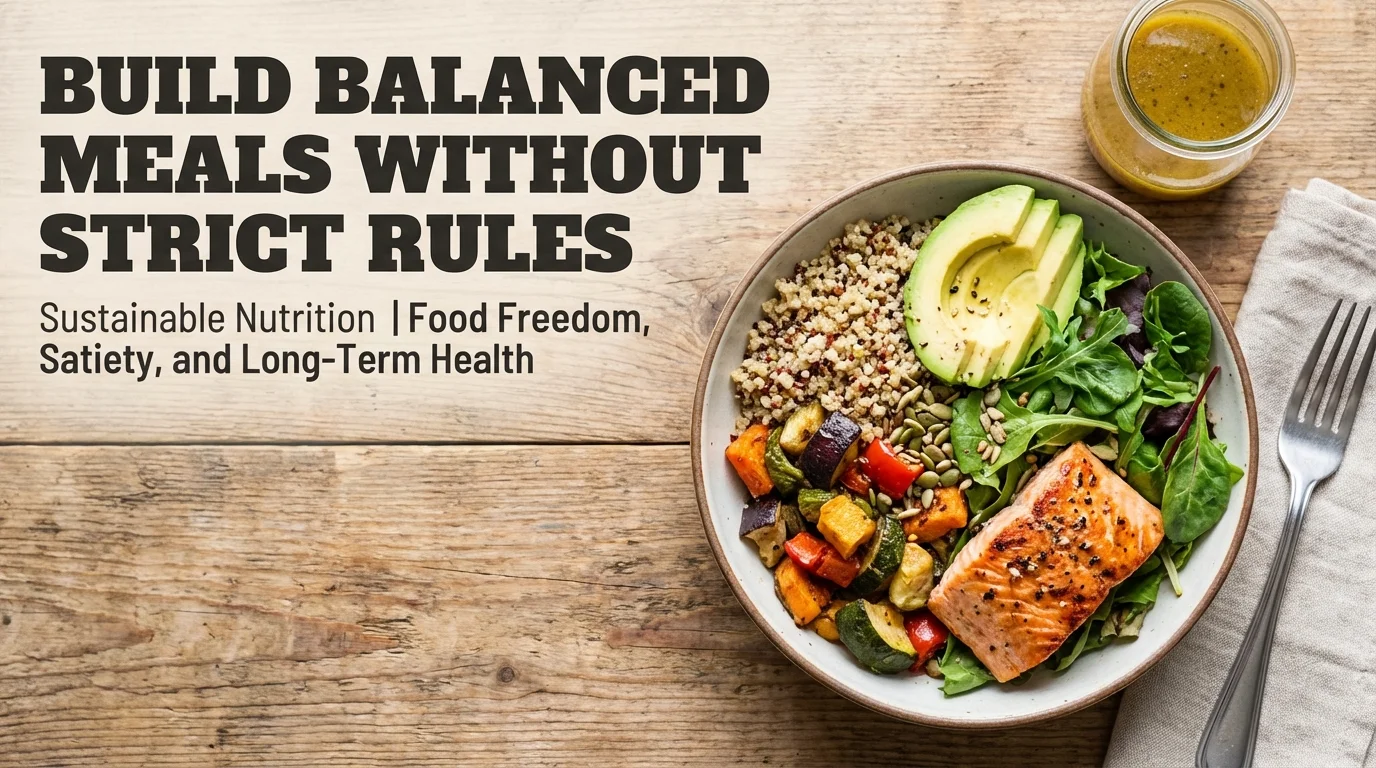
How to Build Balanced Meals Without Strict Rules
For decades, the prevailing narrative surrounding health and nutrition has been anchored in restriction, deprivation, and rigid calculations. We have been conditioned to believe that achieving optimal wellness requires a meticulous accounting of every calorie, grain, and gram consumed. However, we advocate for a more sustainable, empowering approach: gentle nutrition. By moving away from the "all-or-nothing" mentality, we can foster a relationship with food that prioritizes both physiological nourishment and psychological satisfaction.
The transition from a rule-based diet to a flexible framework allows for greater consistency and long-term success. We recognize that strict rules often lead to burnout, social isolation, and a cycle of "yo-yo" dieting. Instead, we propose a method of building meals that focuses on proportions and food groups rather than numbers. This guide serves as a comprehensive blueprint for those seeking to master the art of the balanced plate while maintaining the freedom to enjoy life’s culinary pleasures.
The Philosophy of Flexible Nutrition and Food Freedom

In our pursuit of health, we must first address the mindset with which we approach our dinner plates. Flexible nutrition is not about a lack of discipline; rather, it is about the application of informed choices that adapt to our daily lives. We believe that when we remove the "good" and "bad" labels from food, we strip away the guilt that often leads to overeating. This psychological shift is the cornerstone of building balanced meals that actually stick.
The core of this philosophy is satiety. A meal is only truly balanced if it leaves us feeling physically full and mentally satisfied. To achieve this, we focus on the synergy between different macronutrients. When we combine protein, fats, and carbohydrates effectively, we stabilize our blood sugar levels, preventing the energy crashes that lead to impulsive snacking. We view food as functional fuel and a source of joy, rather than a mathematical problem to be solved.
By adopting a framework of inclusion rather than exclusion, we naturally crowd out less nutrient-dense options with vibrant, whole foods. We do not demand perfection; we seek consistency. This shift allows us to navigate birthday parties, travel, and busy workdays without feeling like we have "failed" a diet. It is about understanding the foundational components of a meal and assembling them in a way that serves our unique metabolic needs.
Prioritizing High-Quality Proteins as the Meal Anchor
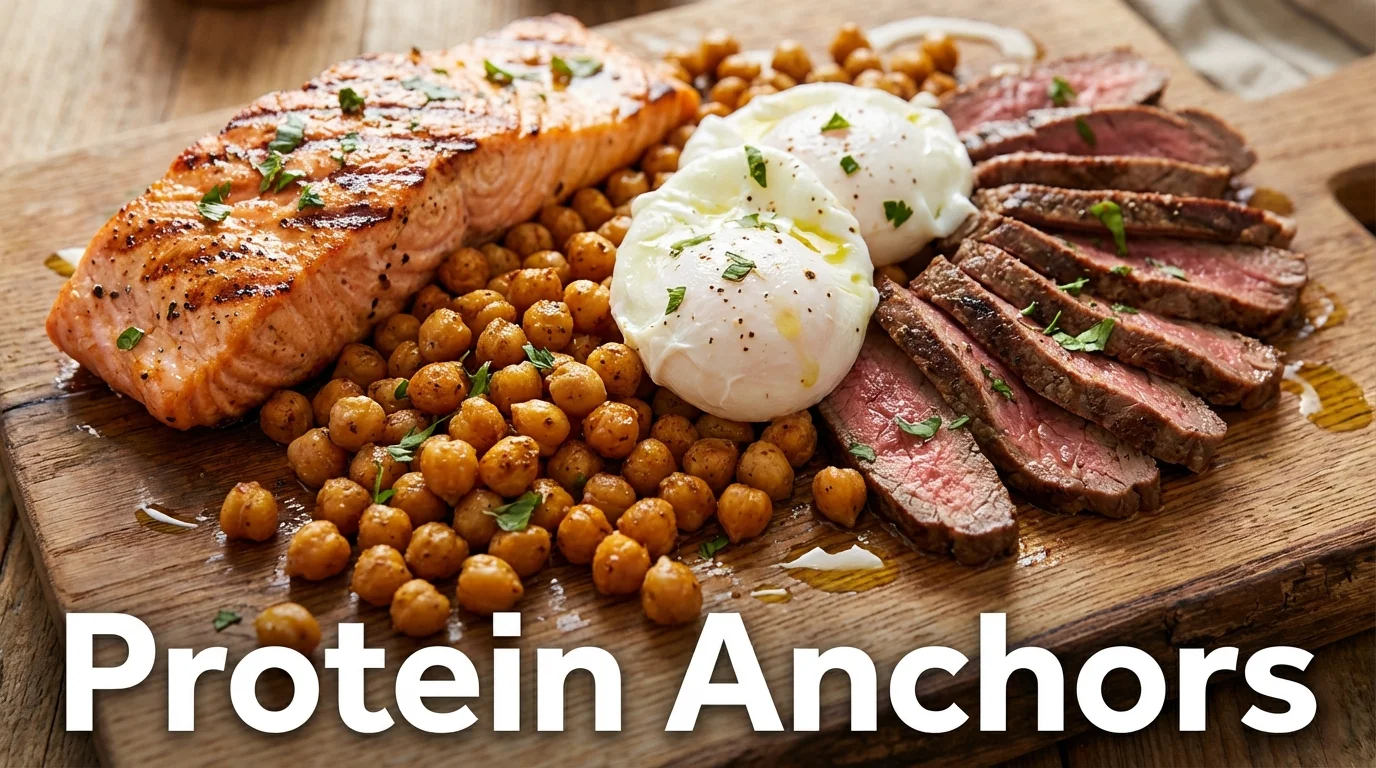
We consider protein to be the structural anchor of any balanced meal. Protein is essential for the repair of tissues, the production of enzymes and hormones, and the maintenance of lean muscle mass. Beyond these biological functions, protein is the most satiating macronutrient. We find that including an adequate serving of protein at every meal significantly reduces cravings later in the day by regulating the hunger hormone, ghrelin.
When building a meal without strict rules, we recommend aiming for a portion of protein roughly the size of your palm. This visual cue is far more practical than a digital scale. We encourage a diverse intake of protein sources to ensure a full profile of essential amino acids. For those who consume animal products, options such as wild-caught fish, organic poultry, grass-fed beef, and eggs provide high bioavailability.
For our plant-based followers, the strategy involves combining different sources or opting for "complete" plant proteins. Lentils, chickpeas, tempeh, edamame, and quinoa are exceptional choices. We emphasize the importance of variety; by rotating our protein sources, we also gain access to different micronutrients, such as the B12 found in beef or the isoflavones found in soy. Regardless of the source, the goal remains the same: provide the body with the building blocks it requires to thrive.
Embracing Complex Carbohydrates for Sustained Energy
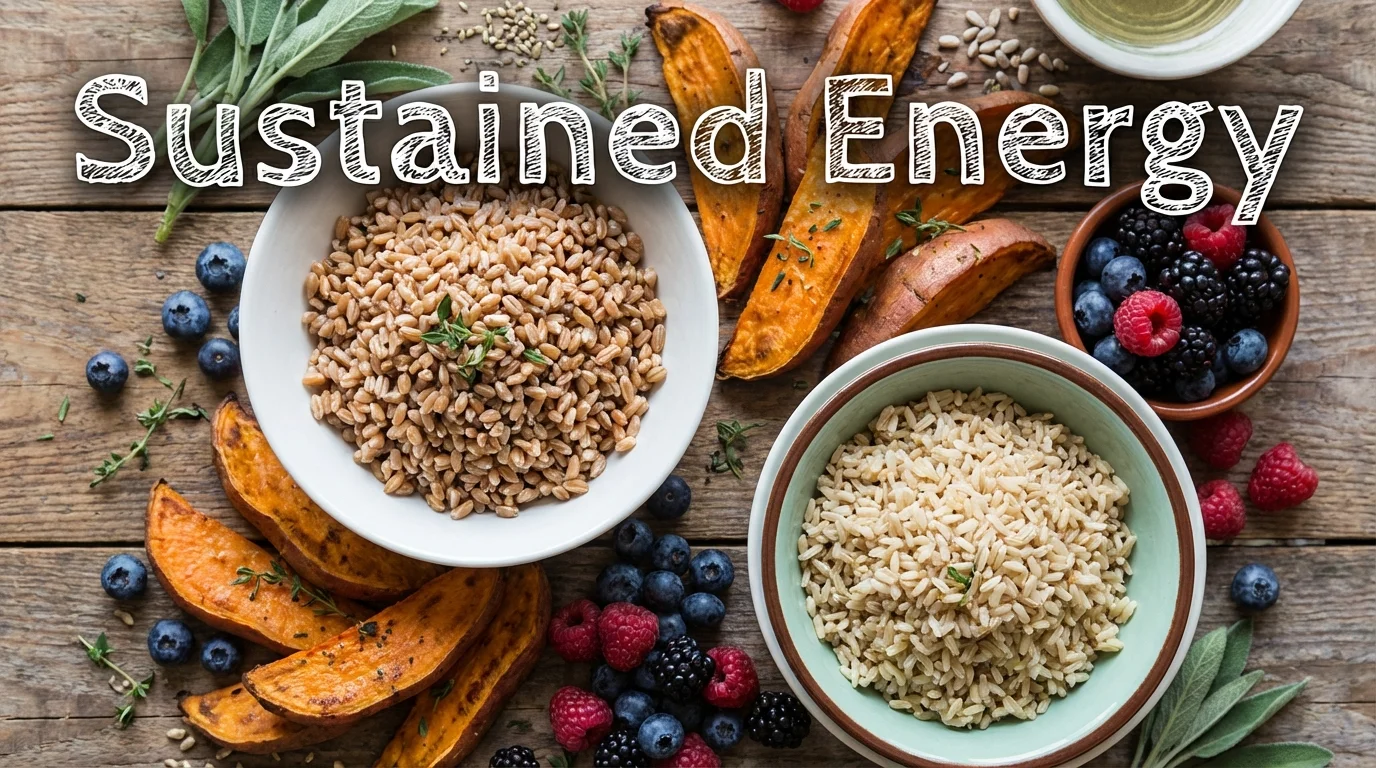
Carbohydrates are often unfairly maligned in popular diet culture, yet we recognize them as the body's preferred source of energy, particularly for the brain and nervous system. The key to building a balanced meal without strict rules is not to eliminate carbs, but to choose complex carbohydrates that provide a steady release of glucose. These slow-digesting foods prevent the rapid spikes and crashes in blood sugar that contribute to irritability and fatigue.
We suggest filling approximately one-quarter of your plate with fiber-rich carbohydrates. Root vegetables like sweet potatoes and beets, along with whole grains such as oats, buckwheat, and brown rice, are excellent staples. These foods are packed with dietary fiber, which is crucial for digestive health and microbiome diversity. Fiber also adds bulk to our meals, helping us feel fuller for longer periods.
Furthermore, we must not overlook the importance of fruit. While some fear the natural sugars in fruit, we value the antioxidants, vitamins, and minerals they provide. A handful of berries or a sliced apple can add both nutritional density and a necessary touch of sweetness to a meal. By integrating these "smart" carbs, we ensure that our bodies have the fuel necessary for physical activity and cognitive performance without the need for restrictive carb-counting.
Integrating Healthy Fats for Hormonal Health and Flavor
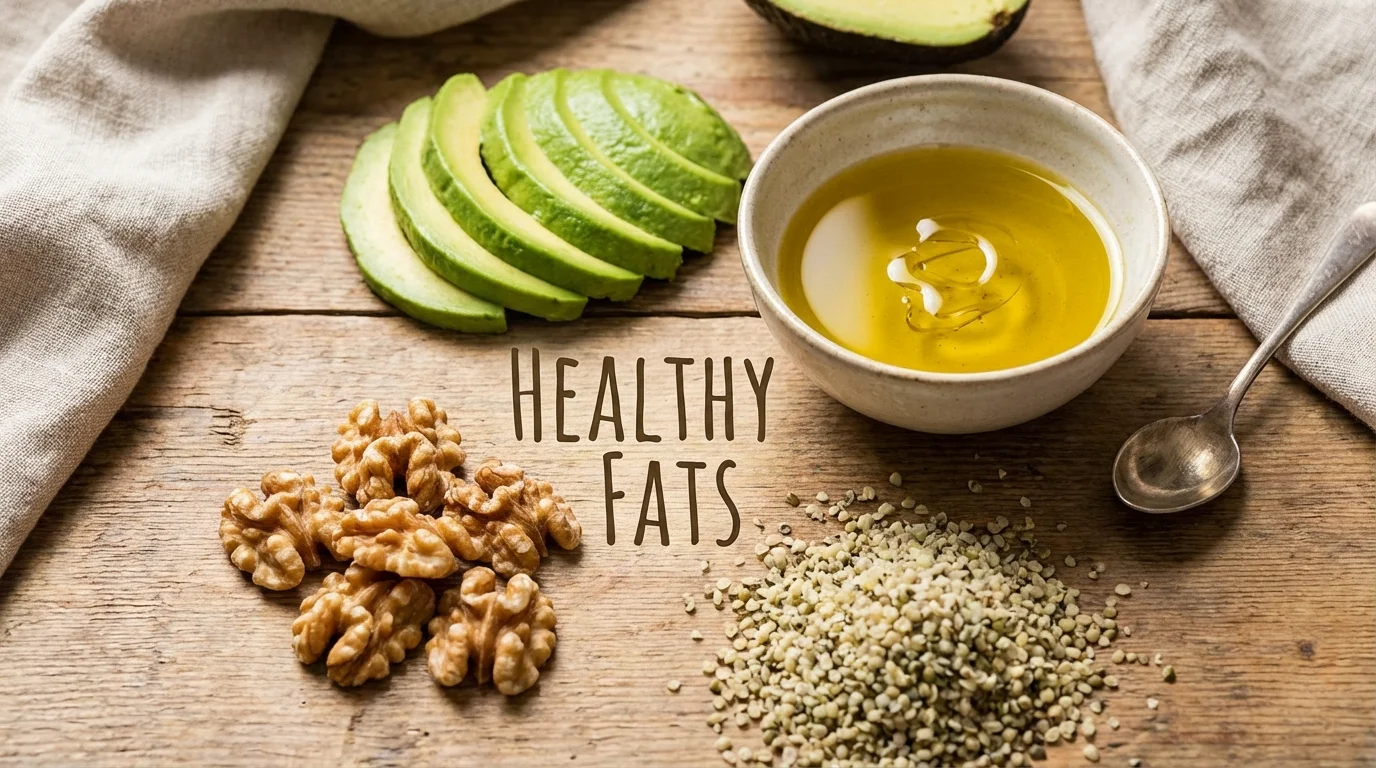
Healthy fats are the secret ingredient to both the flavor and the nutritional efficacy of a meal. We utilize fats not only for their high caloric density—which provides long-lasting energy—but also for their role in the absorption of fat-soluble vitamins (A, D, E, and K). Without adequate fat intake, even the most nutrient-dense salad will fail to deliver its full benefits to the body.
In our framework, we treat fats as the "accessory" that ties the meal together. This might look like a tablespoon of extra virgin olive oil drizzled over roasted vegetables, half an avocado added to a breakfast bowl, or a sprinkling of pumpkin seeds on a soup. Fats are also essential for hormone production, including the hormones that regulate metabolism and mood.
We encourage the consumption of monounsaturated and polyunsaturated fats, particularly those rich in Omega-3 fatty acids. Fatty fish like mackerel, walnuts, and chia seeds are vital for reducing inflammation. By including these fats, we enhance the palatability of our meals. We believe that food should taste good; the satisfying mouthfeel of healthy fats ensures that we don't finish a meal feeling like something is "missing," which is often the catalyst for late-night bingeing.
Mastering the Visual Plate Method
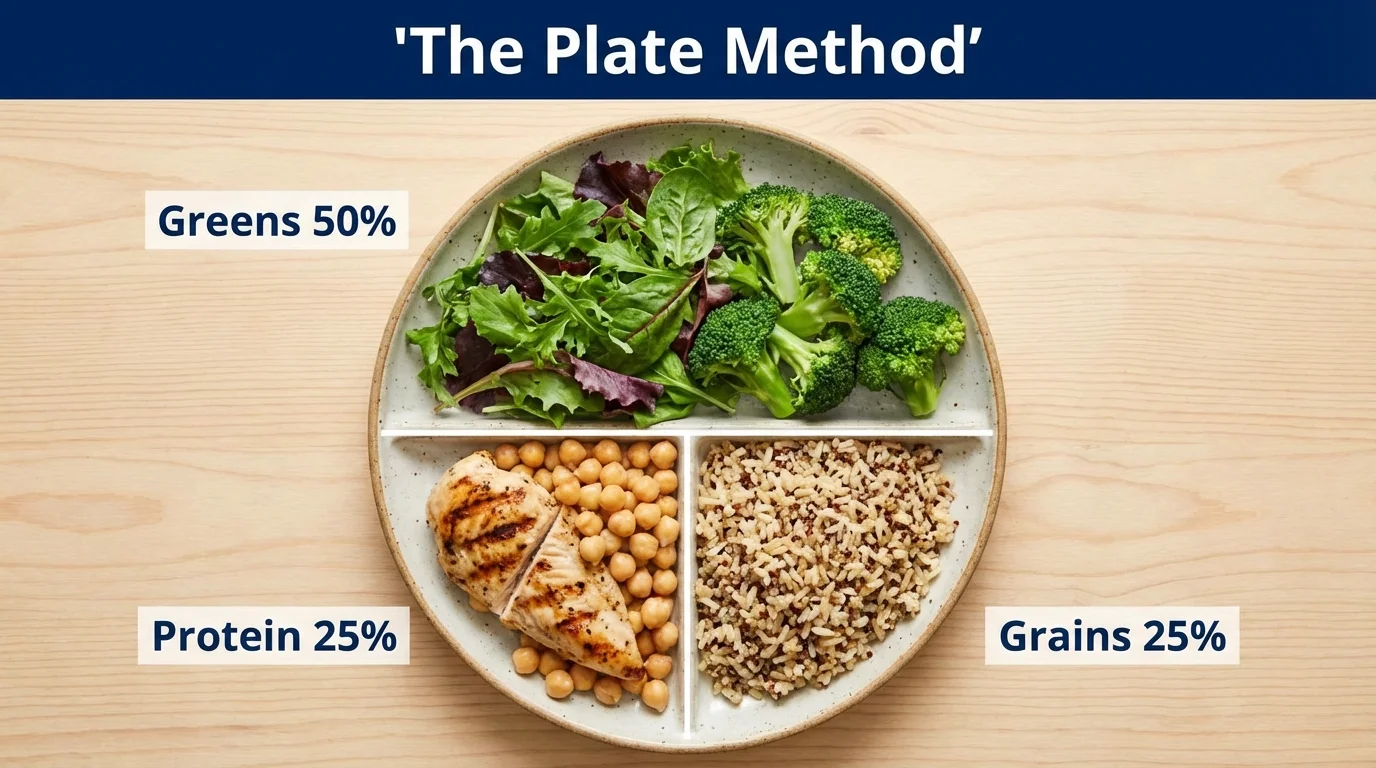
To simplify the process of building a meal, we utilize the Visual Plate Method. This is a non-quantitative tool that allows anyone to construct a balanced meal in any setting—whether at home, a restaurant, or a buffet. We find this method far superior to calorie tracking because it focuses on the quality and balance of the food in front of you.
The template is straightforward:
- Fill half your plate with non-starchy vegetables. This includes leafy greens, broccoli, peppers, zucchini, or cauliflower. These provide high volume and essential micronutrients with minimal caloric impact.
- Fill one-quarter of your plate with high-quality protein. As discussed, this is your satiety anchor.
- Fill the remaining quarter with complex carbohydrates. This provides your primary energy source.
- Incorporate 1–2 tablespoons of healthy fats. This can be used for cooking or as a topping.
This "50-25-25" rule is a flexible guide, not a law. On days when we are more active, we might increase the carbohydrate portion. On days when we feel less hungry, we might prioritize the protein and vegetables. This intuitive adjustment is the essence of eating without strict rules. It allows us to listen to our body’s internal hunger and fullness cues, which are far more accurate than any generic meal plan.
The Importance of Micronutrient Diversity and Color
We often hear the phrase "eat the rainbow," and we stand by this advice as a pillar of nutritional excellence. Each color in our vegetables and fruits represents different phytonutrients and antioxidants. For instance, red plants often contain lycopene, while purple varieties are rich in anthocyanins. By aiming for a diverse array of colors on our plate, we naturally cover our bases for vitamins and minerals.
We encourage the use of herbs and spices to boost both the flavor profile and the antioxidant density of meals. Ingredients like turmeric, ginger, garlic, and fresh cilantro offer potent anti-inflammatory properties. Furthermore, they allow us to create diverse flavor profiles—from Mexican-inspired bowls to Indian curries—using the same basic "plate method" components. This prevents the "food boredom" that often leads people to abandon healthy eating habits.
Practical Strategies for Consistency and Planning
While we avoid strict rules, we do recognize the value of preparedness. We find that having a "well-stocked pantry" is the best defense against the convenience of ultra-processed foods. We recommend keeping staples like canned beans, frozen vegetables, precooked grains, and high-quality oils on hand at all times. When the components of a balanced meal are easily accessible, the "barrier to entry" for healthy eating is significantly lowered.
We also advocate for the concept of "component prepping" rather than traditional meal prepping. Instead of cooking identical meals for the entire week, we suggest prepping individual components: roast a large tray of assorted vegetables, cook a batch of quinoa, and grill several chicken breasts or blocks of tofu. This allows us to "assemble" different meals each day based on what we are craving, maintaining that sense of autonomy and variety.
Finally, we must emphasize the role of mindful eating. How we eat is just as important as what we eat. We encourage taking the time to sit down, away from screens, and chew thoroughly. This allows the digestive system to function optimally and gives the brain time to receive the satiety signals from the gut. When we are present with our food, we find that we naturally eat the amount our body requires, further eliminating the need for external rules or measurements.
Conclusion: Sustainable Wellness Through Balance
In summary, building balanced meals without strict rules is an act of self-care and empowerment. We move away from the stress of perfection and toward the ease of balanced proportions. By prioritizing protein, embracing complex carbohydrates, and welcoming healthy fats—all while filling half our plates with vibrant vegetables—we create a sustainable lifestyle that supports our long-term health.
We invite you to view your next meal as an opportunity to nourish your body and satisfy your palate. There is no "perfect" diet, only the one that makes you feel your best, physically and mentally. By mastering these simple visual tools and focusing on whole, nutrient-dense foods, you can achieve a level of health that is both profound and permanent. Nutrition does not have to be a source of anxiety; let it be a source of strength and vitality.