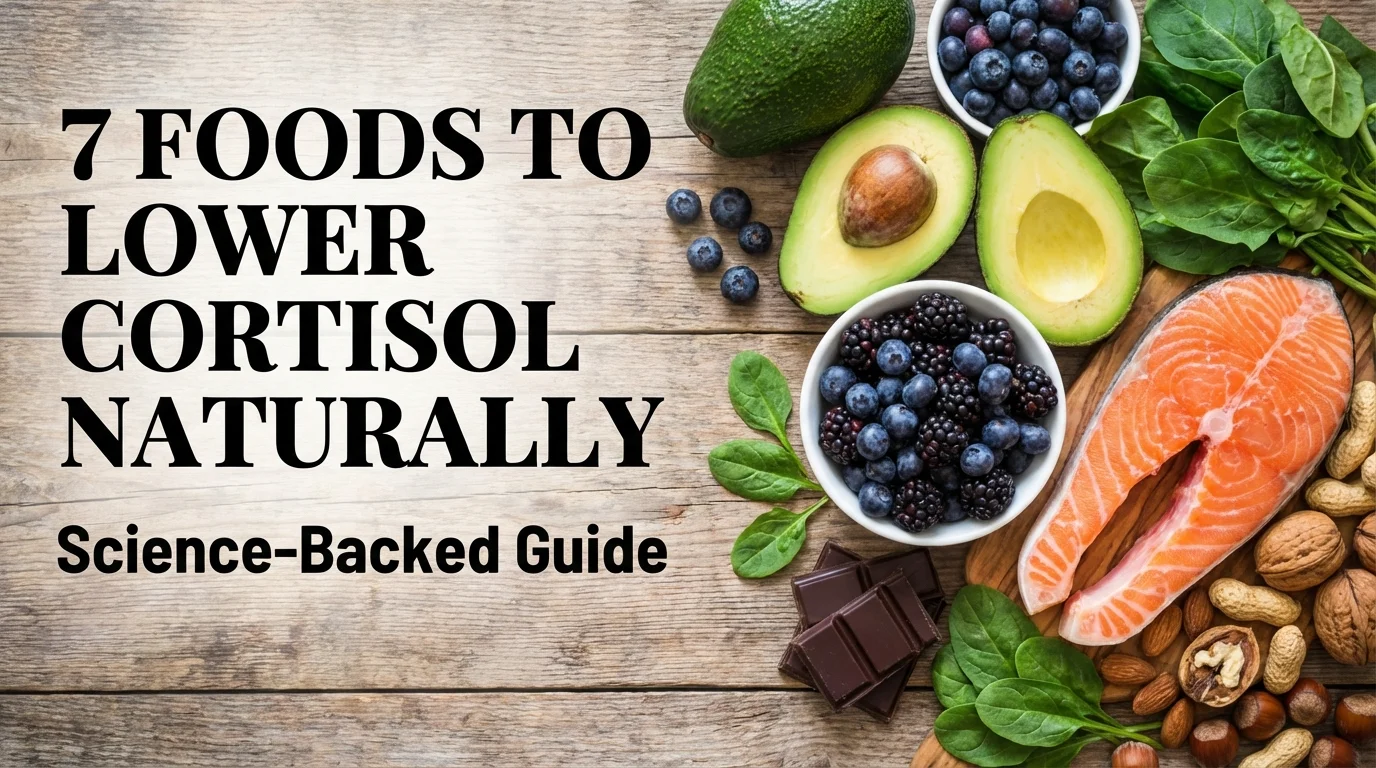
What If I Told You These 7 Foods Can Lower Your Cortisol Naturally?
In the modern landscape of professional demands and personal responsibilities, the physiological impact of chronic stress has become a silent epidemic. Central to this biological response is cortisol, often referred to as the body’s primary stress hormone. While cortisol is essential for regulating metabolism, reducing inflammation, and maintaining blood pressure, chronically elevated levels can lead to a cascade of health issues, including weight gain, anxiety, sleep disturbances, and cardiovascular strain. We recognize that managing stress requires a multi-faceted approach, yet one of the most potent tools available to us is the food we consume.
We have researched the intricate relationship between nutrition and endocrinology to identify specific dietary interventions that can modulate the adrenal response. By integrating nutrient-dense whole foods into our daily regimen, we can effectively influence the hypothalamic-pituitary-adrenal (HPA) axis, the complex system that governs our stress levels. In this comprehensive guide, we explore seven extraordinary foods that possess the biochemical properties necessary to lower cortisol naturally and restore equilibrium to our bodies.
Understanding the Role of Cortisol in the Human Body
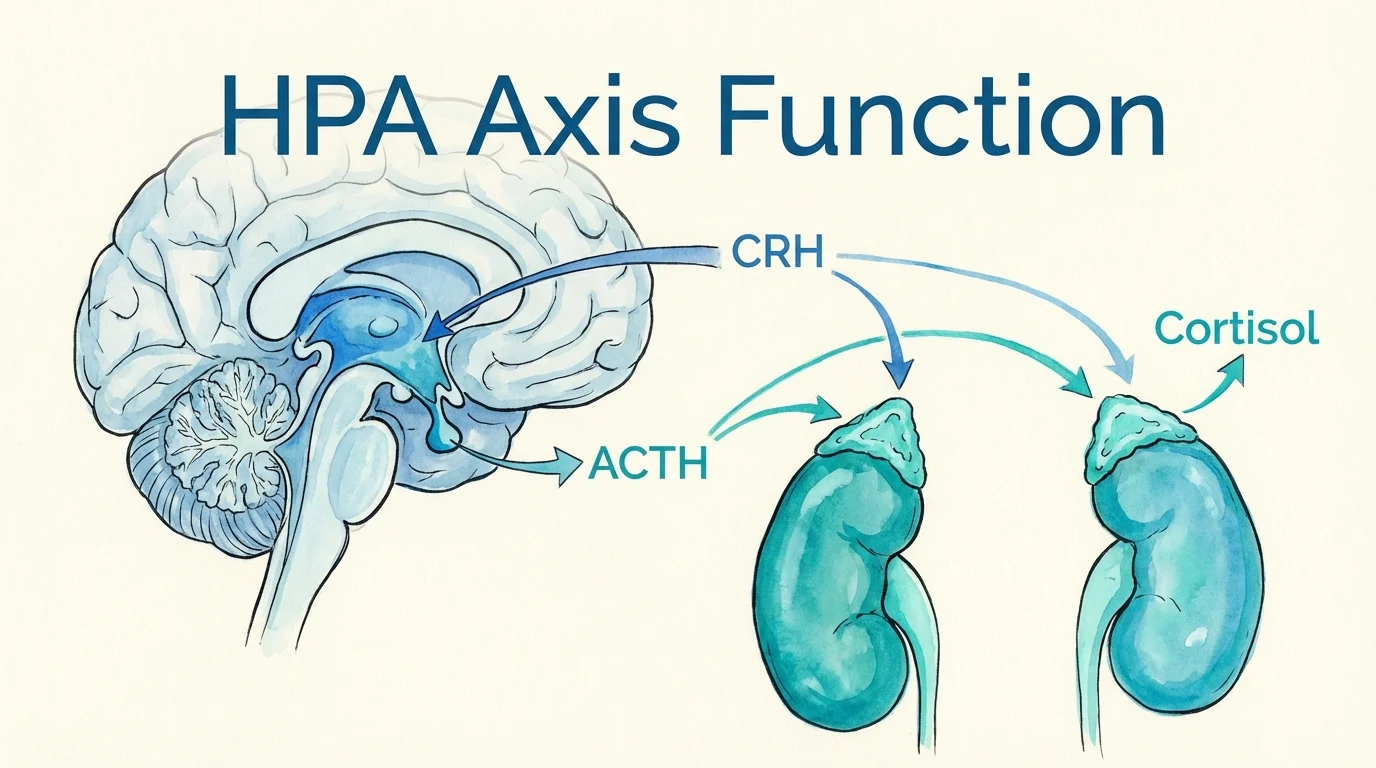
Before we delve into specific dietary recommendations, we must understand why cortisol regulation is paramount for long-term health. Produced by the adrenal glands, cortisol follows a diurnal rhythm, peaking in the early morning to provide us with energy and tapering off in the evening to facilitate sleep. However, the persistent "fight or flight" state induced by modern stressors causes this rhythm to malfunction.
When we experience chronic cortisol elevation, our bodies remain in a state of high alert. This leads to the breakdown of muscle tissue, the accumulation of visceral fat, and the suppression of the immune system. Furthermore, high cortisol levels are linked to insulin resistance, making it difficult for the body to manage blood glucose effectively. By choosing foods that provide specific micronutrients and antioxidants, we can signal to our nervous system that the threat has passed, allowing our hormones to return to baseline.
1. Dark Chocolate: The Flavonoid Powerhouse for Stress Reduction
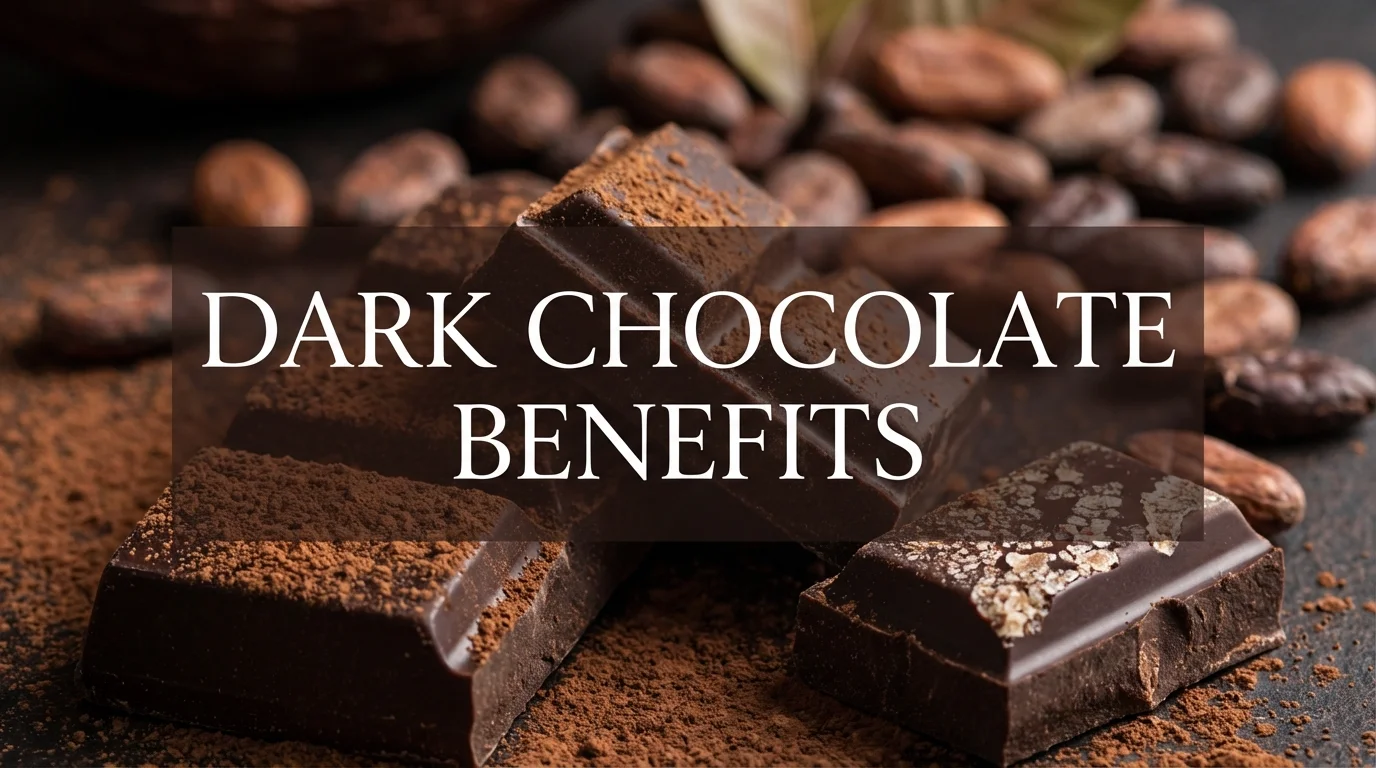
We often view indulgence as a vice, but when it comes to dark chocolate, the scientific evidence suggests a profound benefit for stress management. To achieve the desired effect on cortisol, we recommend a variety that contains at least 70% to 85% cocoa solids. Dark chocolate is exceptionally rich in flavonoids, which are plant-based compounds known for their neuroprotective and anti-inflammatory properties.
Research has demonstrated that regular, moderate consumption of dark chocolate can blunt the metabolic response to stress. It works by reducing the excretion of catecholamines and cortisol during high-pressure situations. Furthermore, dark chocolate is a significant source of magnesium, a mineral that plays a critical role in calming the nervous system. We emphasize that the synergy between magnesium and theobromine in cocoa helps to relax the blood vessels and improve blood flow, creating a physiological environment that is resistant to the ravages of stress.
2. Fatty Fish: Utilizing Omega-3s to Regulate the Adrenal Response
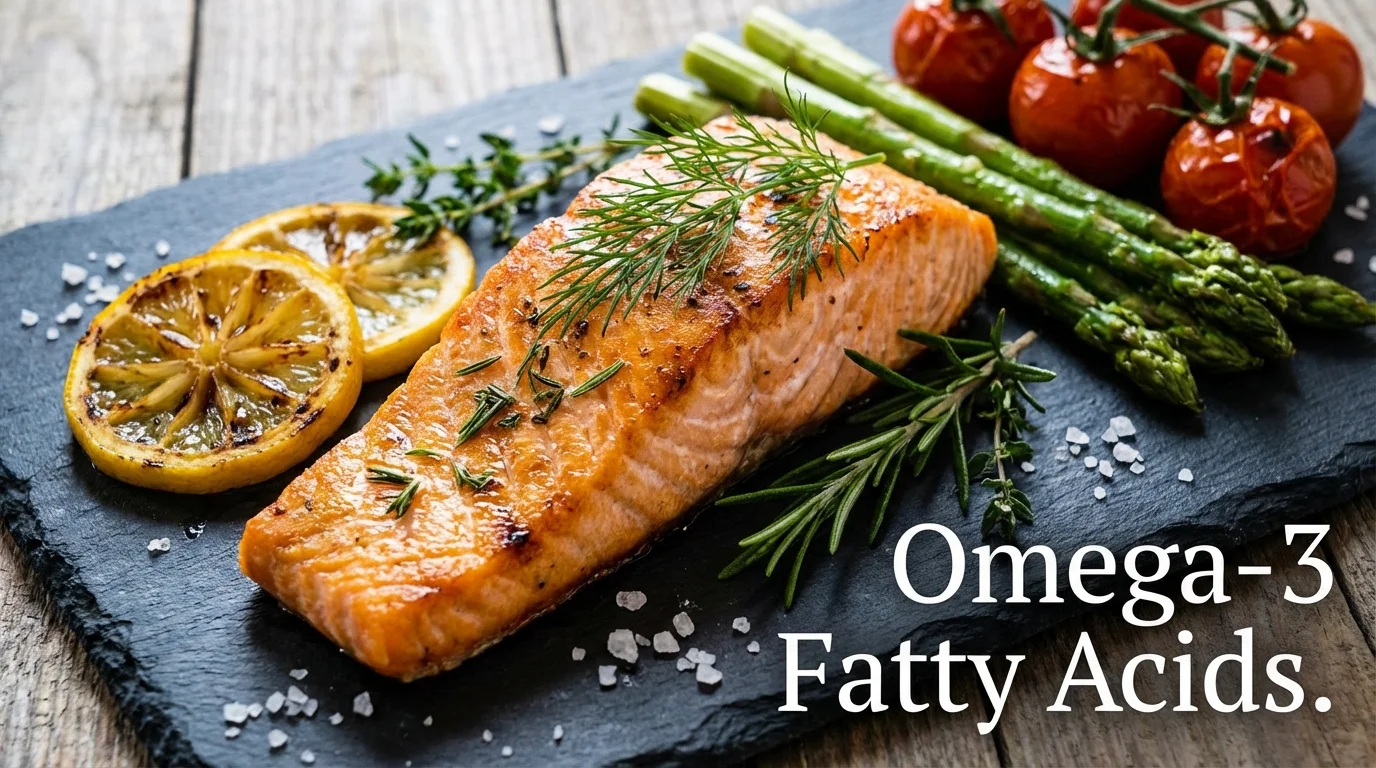
Incorporating fatty fish such as salmon, mackerel, and sardines into our diet is perhaps one of the most effective ways to lower cortisol naturally. The primary drivers behind this benefit are the omega-3 fatty acids, specifically EPA (eicosapentaenoic acid) and DHA (docosahexaenoic acid). These essential fats are integral to brain health and are known to inhibit the overproduction of cortisol.
When we consume omega-3s, we are providing our cell membranes with the fluidity needed for optimal signaling. From a hormonal perspective, omega-3 fatty acids prevent the adrenal glands from overreacting to psychological stress. Studies have shown that individuals who supplement with fish oil or consume fatty fish regularly experience lower spikes in cortisol when faced with mental challenges. By reducing systemic inflammation, fatty fish also alleviates the physical stress on the body, thereby lowering the baseline demand for cortisol production.
3. Fermented Foods: Balancing the Gut-Brain Axis

We are increasingly discovering that the secret to hormonal balance lies within our microbiome. The gut-brain axis is a bidirectional communication network that links our gastrointestinal tract with our central nervous system. Fermented foods, such as Greek yogurt, kefir, sauerkraut, and kimchi, are loaded with probiotics—beneficial bacteria that play a direct role in how we perceive and respond to stress.
A healthy gut microbiome can actually modulate the production of neurotransmitters like GABA and serotonin, which have a calming effect on the brain. When the gut is in a state of dysbiosis (imbalance), it can trigger an inflammatory response that signals the brain to release more cortisol. By populating our gut with diverse bacterial strains through fermented foods, we create a biological buffer. This help to ensure that our HPA axis remains stable and that our cortisol levels do not remain unnecessarily high throughout the day.
4. Leafy Greens: The Essential Role of Magnesium and Folate
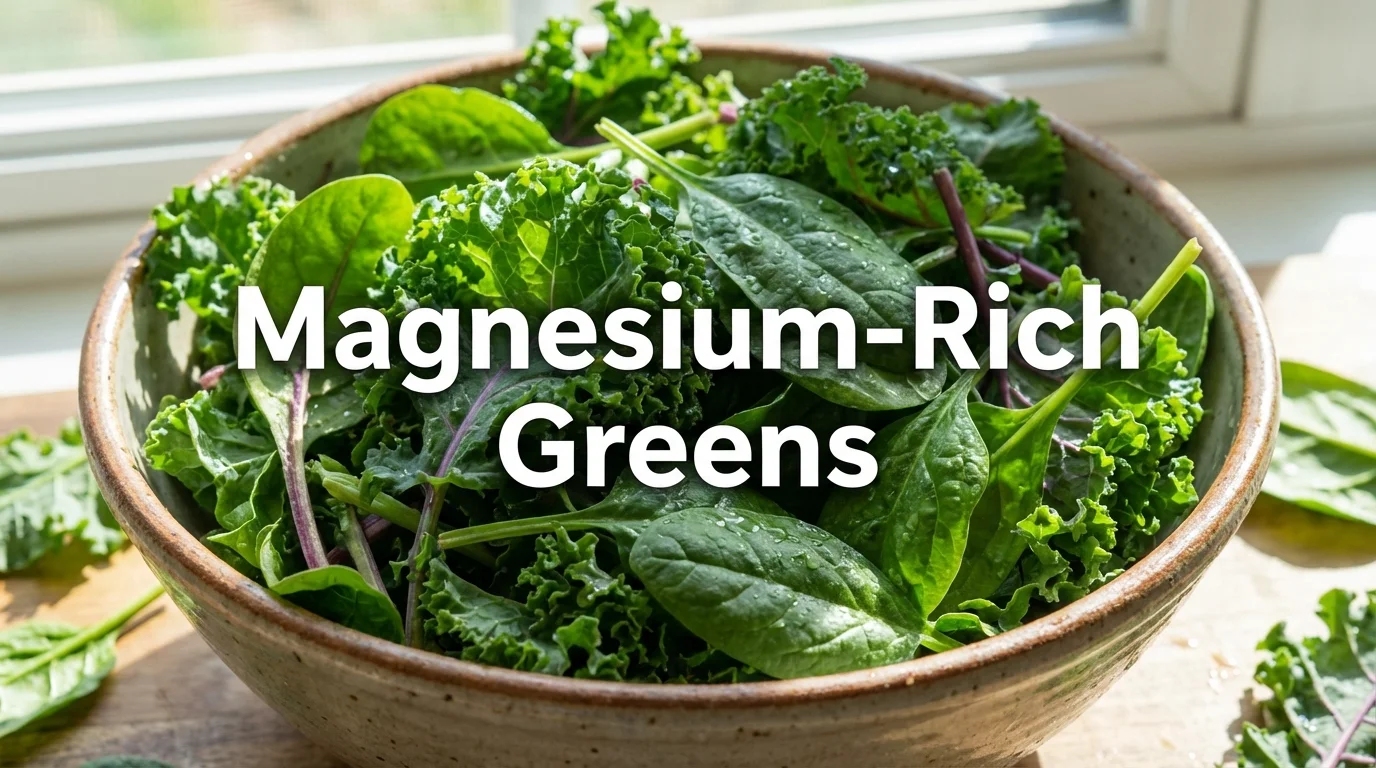
Leafy greens, including spinach, Swiss chard, and kale, are nutritional powerhouses that offer a dual-action approach to lowering cortisol. They are among the best dietary sources of magnesium. As we noted earlier, magnesium is the "relaxation mineral." It regulates the HPA axis by preventing the release of stress hormones and acting as a gatekeeper for the NMDA receptors in the brain, which are involved in the stress response.
Furthermore, leafy greens are rich in folate (Vitamin B9). Folate is a crucial co-factor in the production of dopamine and serotonin, the "feel-good" chemicals that help us maintain a positive mood. A deficiency in folate can lead to increased levels of homocysteine, which is linked to higher stress and inflammation. We find that by prioritizing a large serving of greens daily, we can provide the body with the chemical precursors required to maintain hormonal harmony and emotional resilience.
5. Avocados: Supporting Metabolic Stability and Hormone Production
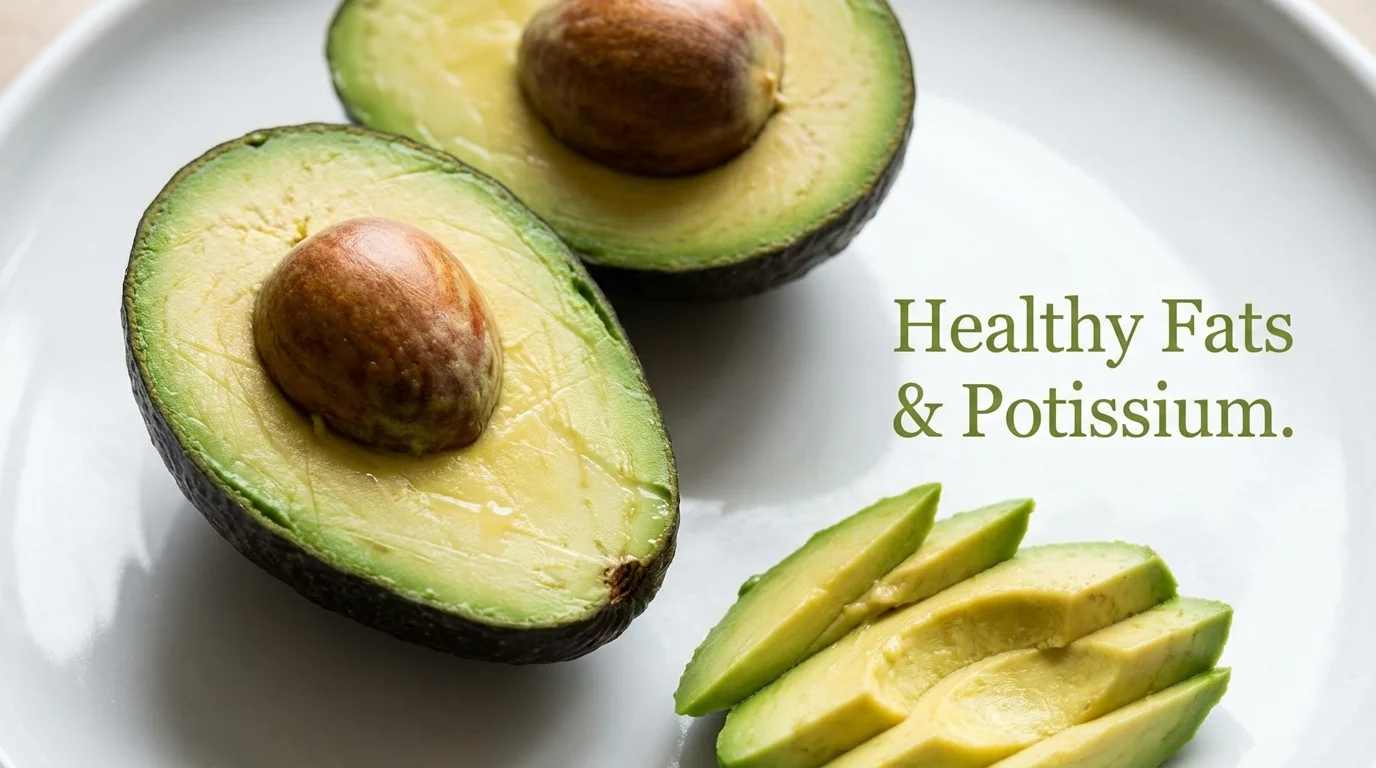
The avocado is a unique fruit that provides a wealth of monounsaturated fats, potassium, and fiber. Its ability to lower cortisol naturally stems from its impact on metabolic health. High cortisol levels often lead to blood sugar fluctuations, which in turn trigger more cortisol release—a vicious cycle we must break. The healthy fats in avocados help to slow the absorption of glucose, leading to stable blood sugar levels and a reduced demand on the adrenal glands.
Additionally, avocados are exceptionally high in potassium. This mineral is vital for maintaining healthy blood pressure, which often spikes during periods of high stress. By supporting cardiovascular health and providing the building blocks for hormone synthesis (including healthy fats for steroid hormones), avocados help the body manage the physical manifestations of stress. We recommend adding avocado to your morning routine to set a stable metabolic tone for the rest of the day.
6. Berries: Anthocyanins and the Attenuation of Oxidative Stress
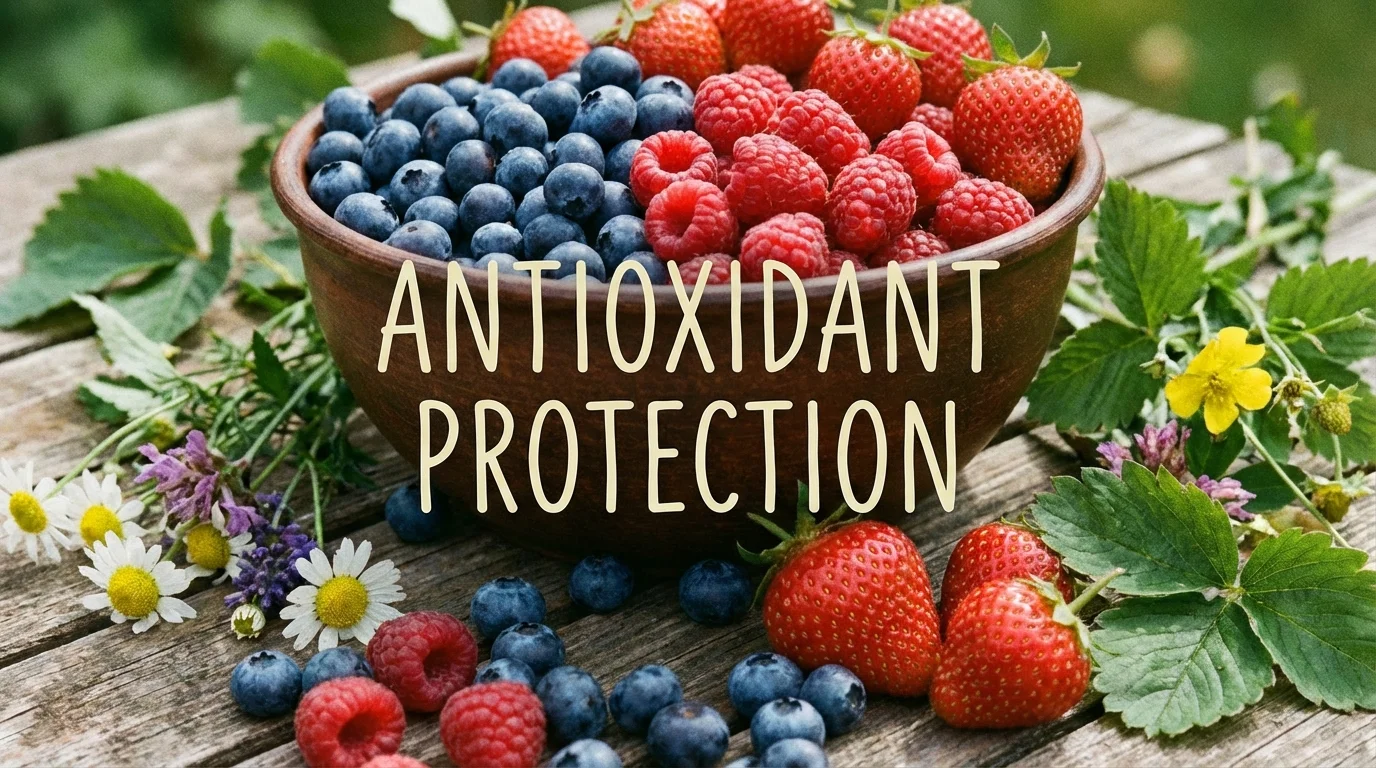
Berries, particularly blueberries, strawberries, and blackberries, are dense with anthocyanins and Vitamin C. These compounds are potent antioxidants that protect our cells from the oxidative stress that accompanies high cortisol levels. When we are stressed, our body produces free radicals that can damage tissues; Vitamin C acts as a primary defense mechanism, neutralizing these radicals and supporting the adrenal glands.
Interestingly, the adrenal glands have one of the highest concentrations of Vitamin C in the entire body. During times of stress, these stores are depleted rapidly. By consuming berries, we replenish these vital stores, enabling the adrenal glands to function more efficiently and recover more quickly from a stress event. We believe that the high fiber content in berries also contributes to a low-glycemic response, preventing the insulin spikes that can further exacerbate cortisol production.
7. Pumpkin Seeds: Zinc and the Inhibition of Cortisol Secretion
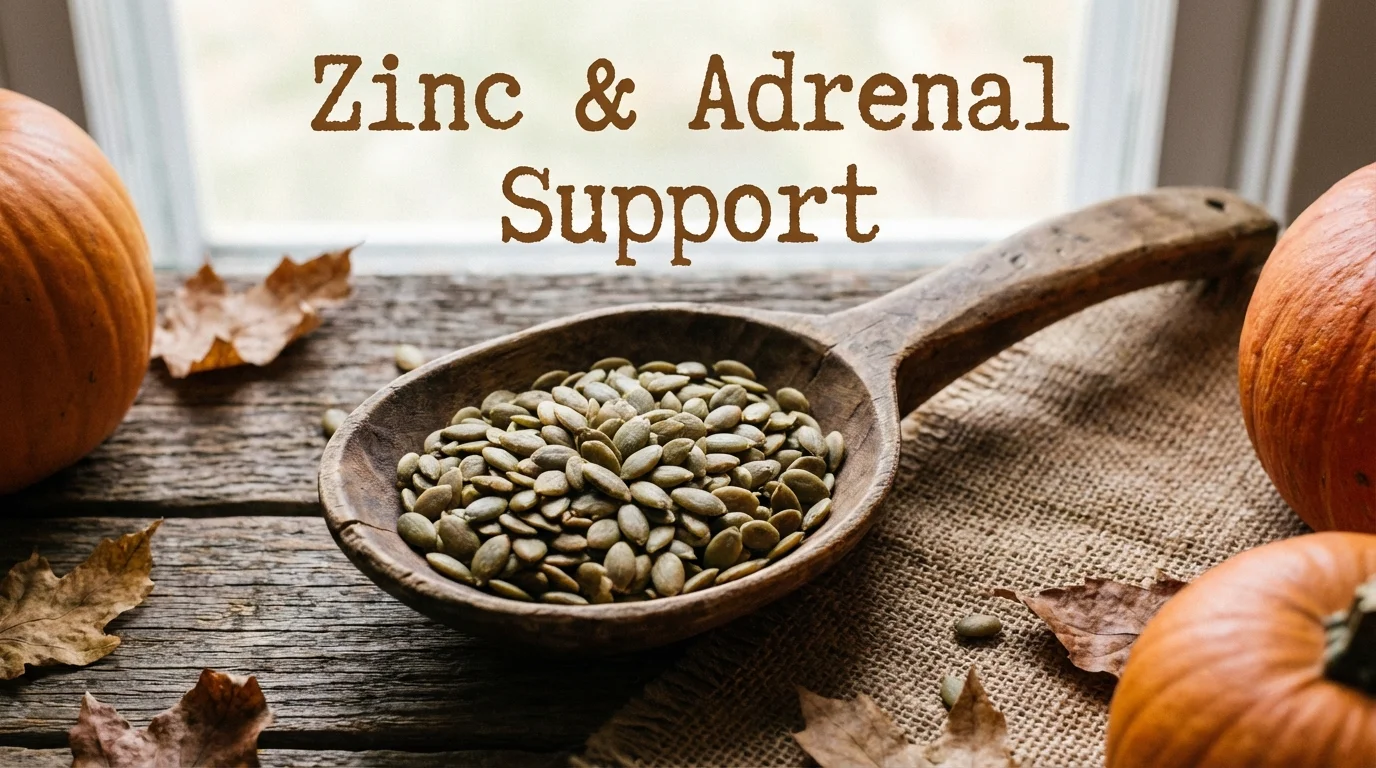
Finally, we highlight pumpkin seeds (also known as pepitas) as a critical tool in our dietary arsenal for stress reduction. These small seeds are one of the most concentrated sources of zinc. Zinc is a trace mineral that has a direct inhibitory effect on the secretion of cortisol. Research indicates that zinc can bind to receptors in the brain and adrenal glands to modulate the stress response and prevent excessive hormone release.
Beyond zinc, pumpkin seeds are another excellent source of magnesium and tryptophan. Tryptophan is an amino acid that serves as a precursor to melatonin, the hormone responsible for sleep. Since high cortisol levels often disrupt sleep patterns, consuming pumpkin seeds in the evening can help lower cortisol while simultaneously promoting the production of sleep-inducing hormones. This dual action makes pumpkin seeds an invaluable component of a cortisol-conscious diet.
Strategic Implementation: How to Build a Cortisol-Lowering Lifestyle
While adding these seven foods is a significant step, we must emphasize that nutritional synergy and consistency are key. A single meal will not undo years of chronic stress, but a sustained shift in dietary patterns will produce measurable results. We suggest focusing on whole, unprocessed foods and avoiding high-sugar, highly processed items that act as "stressors" on the body by causing inflammation and blood sugar instability.
Furthermore, we encourage mindfulness regarding caffeine intake. While we may rely on caffeine for productivity, it can stimulate the adrenal glands to release more cortisol, particularly when consumed on an empty stomach. Pairing your morning coffee with a source of healthy fats, such as those found in avocados or nuts, can help mitigate this effect.
The Importance of Hydration and Micronutrient Density
We cannot overlook the role of hydration in cortisol management. Even mild dehydration can be perceived by the body as a physiological stressor, triggering a rise in cortisol. We recommend consuming filtered water throughout the day and incorporating herbal teas, such as chamomile or holy basil (Tulsi), which have adaptogenic properties that further support the nervous system.
In conclusion, the path to lower cortisol naturally is paved with nutrient-dense choices. By prioritizing dark chocolate, fatty fish, fermented foods, leafy greens, avocados, berries, and pumpkin seeds, we are providing our bodies with the biochemical tools needed to navigate the complexities of modern life. We have the power to influence our hormonal health through the deliberate and informed selection of the foods we put on our plates. Through this holistic approach, we can move beyond mere survival and achieve a state of lasting vitality and calm.