Best Foods to Lower Cortisol Levels Naturally in 2026
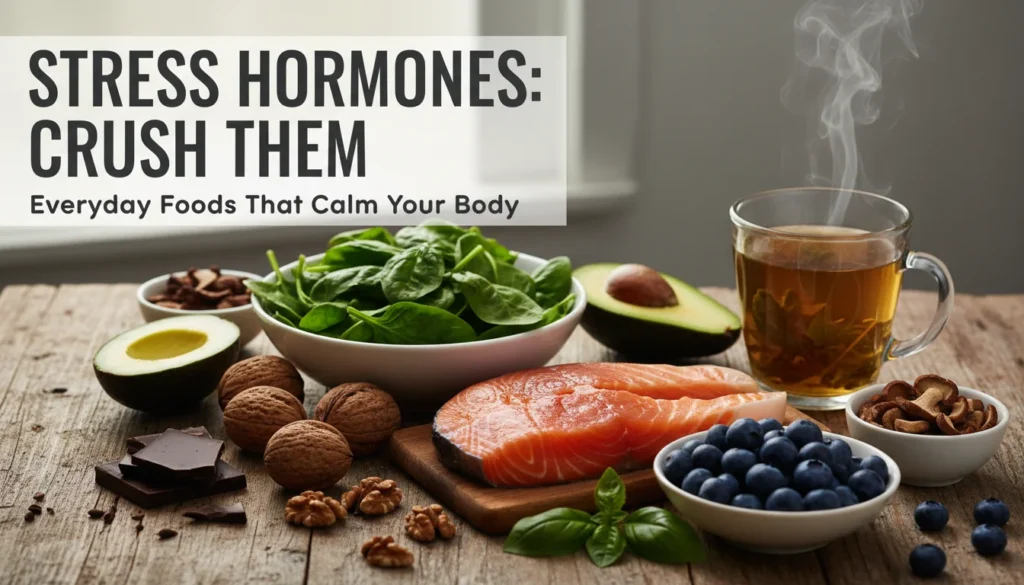
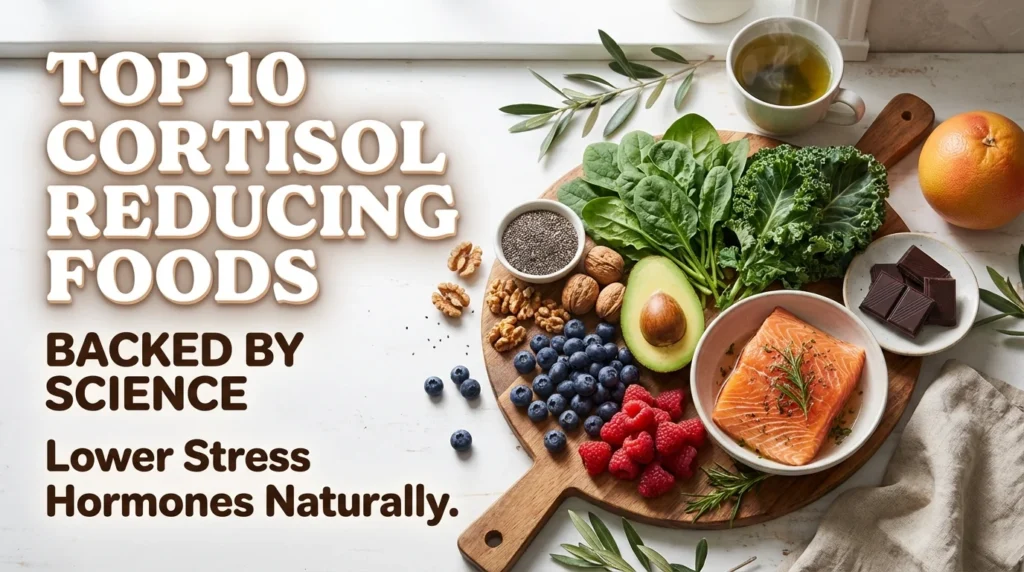
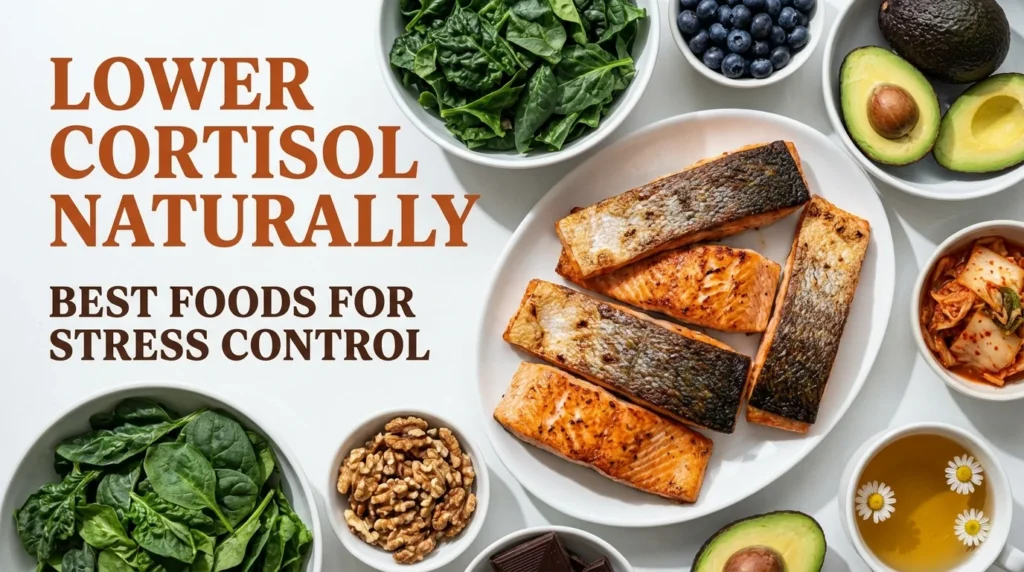
A selection of stress-reducing superfoods including dark chocolate, leafy greens, and citrus fruits on a rustic table representing natural cortisol management in 2026.
Best Foods to Lower Cortisol Levels Naturally in 2026
In the rapidly evolving landscape of 2026, the intersection of nutritional science and mental well-being has never been more critical. As we navigate a world defined by high-frequency digital interactions and complex professional demands, the physiological impact of chronic stress remains a primary concern for global health. At the center of this physiological response is cortisol, often referred to as the body's primary "stress hormone." While cortisol is essential for managing energy and inflammation, a sustained elevation can lead to detrimental health outcomes, including weight gain, sleep disturbances, and diminished immune function.
We recognize that managing cortisol levels requires a multifaceted approach, yet nutrition remains one of the most accessible and effective tools at our disposal. By strategically incorporating specific nutrient-dense foods into our daily diets, we can modulate the body's endocrine response and foster a state of biochemical resilience. This comprehensive guide explores the best foods to lower cortisol levels naturally, backed by the latest clinical insights for the year 2026.
Understanding the Role of Cortisol in the 2026 Modern Lifestyle
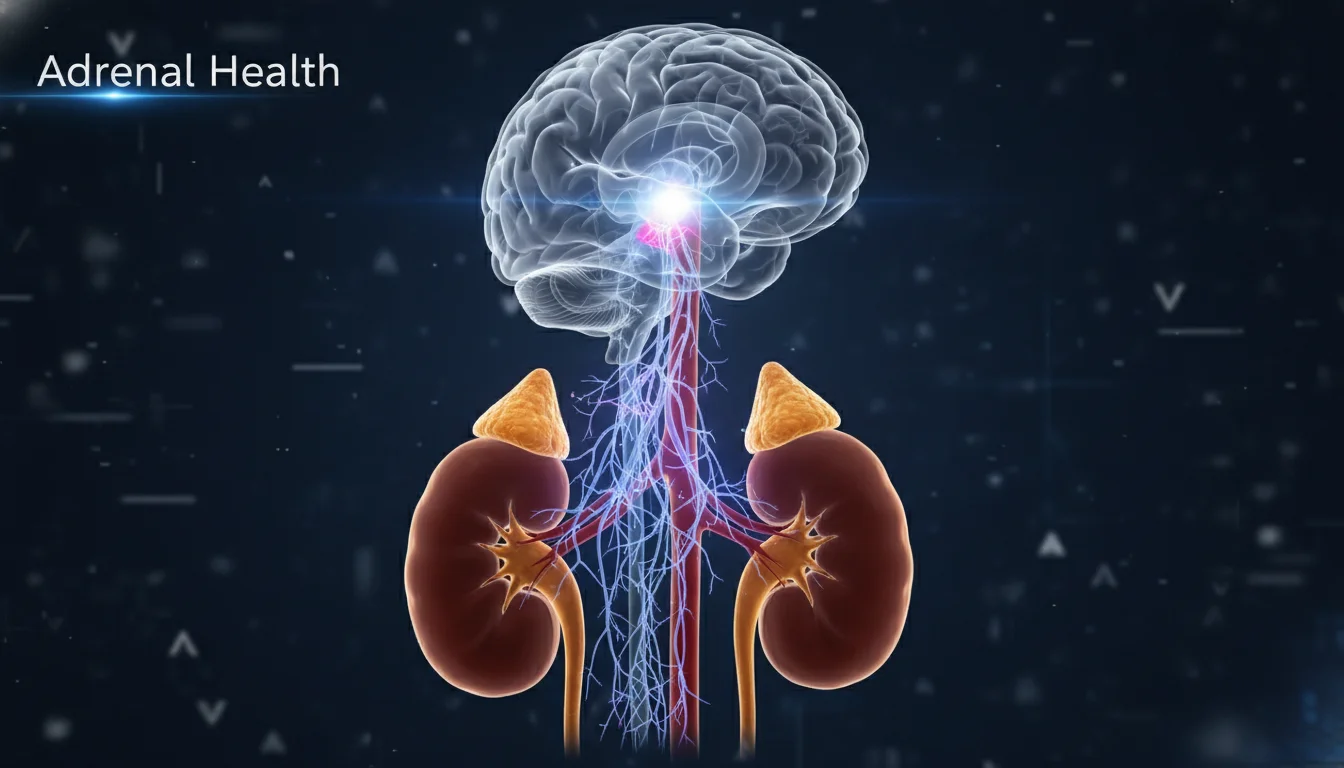
3D medical illustration of the adrenal glands and the brain’s stress response system.
Before we address dietary interventions, we must understand the mechanism we are attempting to influence. Cortisol is produced by the adrenal glands in response to signals from the hypothalamus and the pituitary gland. In a healthy state, cortisol follows a diurnal rhythm, peaking in the morning to help us wake up and declining throughout the evening to facilitate restorative sleep.
However, the "always-on" culture of 2026 frequently disrupts this natural cycle. When the body perceives constant threats—whether they are physical, emotional, or environmental—the hypothalamic-pituitary-adrenal (HPA) axis becomes overactive. This leads to hypercortisolemia, which promotes systemic inflammation and oxidative stress. By selecting foods that stabilize blood sugar and provide essential co-factors for hormone synthesis, we provide our bodies with the necessary resources to exit the "fight or flight" state.
The Impact of Magnesium-Rich Foods on Stress Regulation
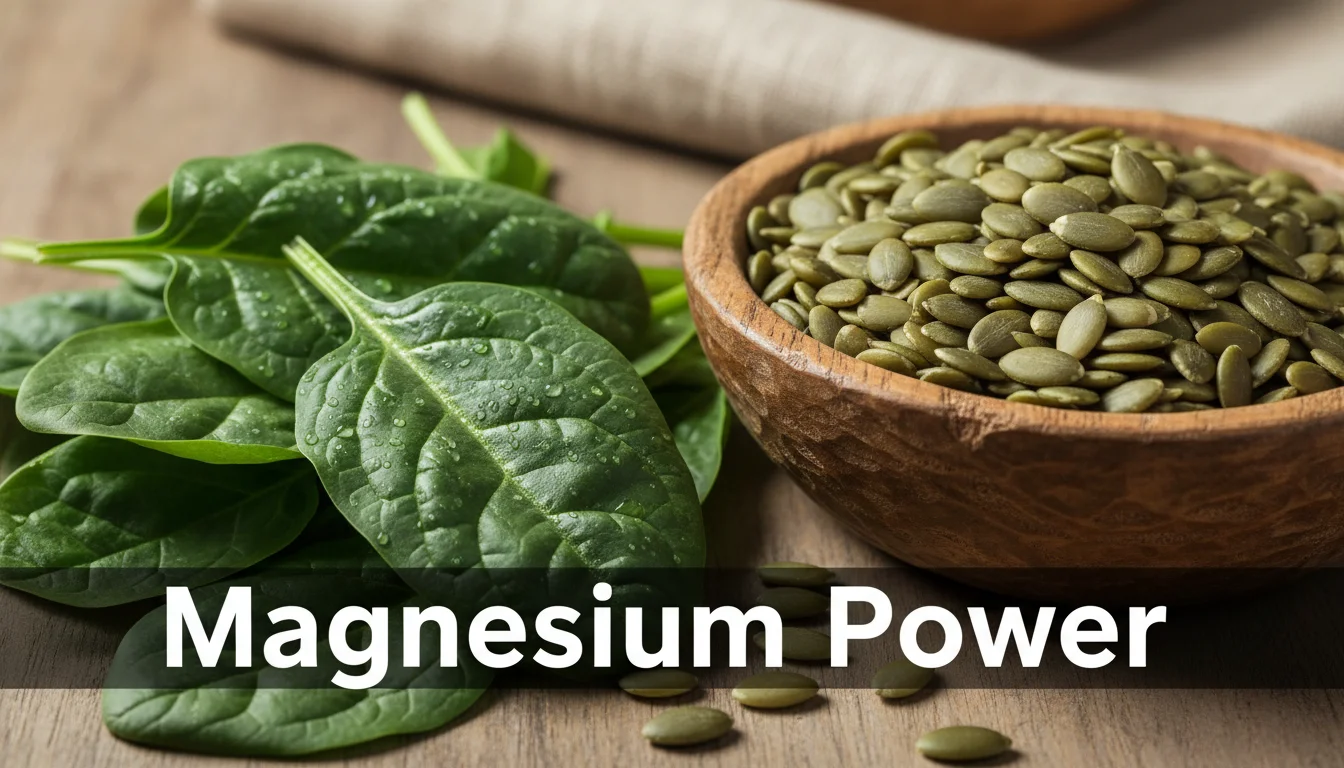
Fresh spinach and pumpkin seeds, rich sources of magnesium for stress relief.
Magnesium is frequently cited as "nature's relaxant," and its role in cortisol regulation cannot be overstated. This essential mineral is involved in over 300 biochemical reactions, including the regulation of the nervous system. When we are stressed, our bodies deplete magnesium at an accelerated rate, creating a deficiency that further amplifies our stress response.
To counteract this, we recommend focusing on dark leafy greens such as spinach, kale, and Swiss chard. These vegetables are rich in magnesium and provide the fiber necessary for metabolic health. Additionally, pumpkin seeds (pepitas) are an exceptional source of this mineral; just a small handful can provide a significant portion of your daily requirement. Other notable sources include almonds, cashews, and black beans. By maintaining optimal magnesium levels, we help inhibit the excessive release of cortisol and promote muscular and neural relaxation.
Essential Omega-3 Fatty Acids for Adrenal Health
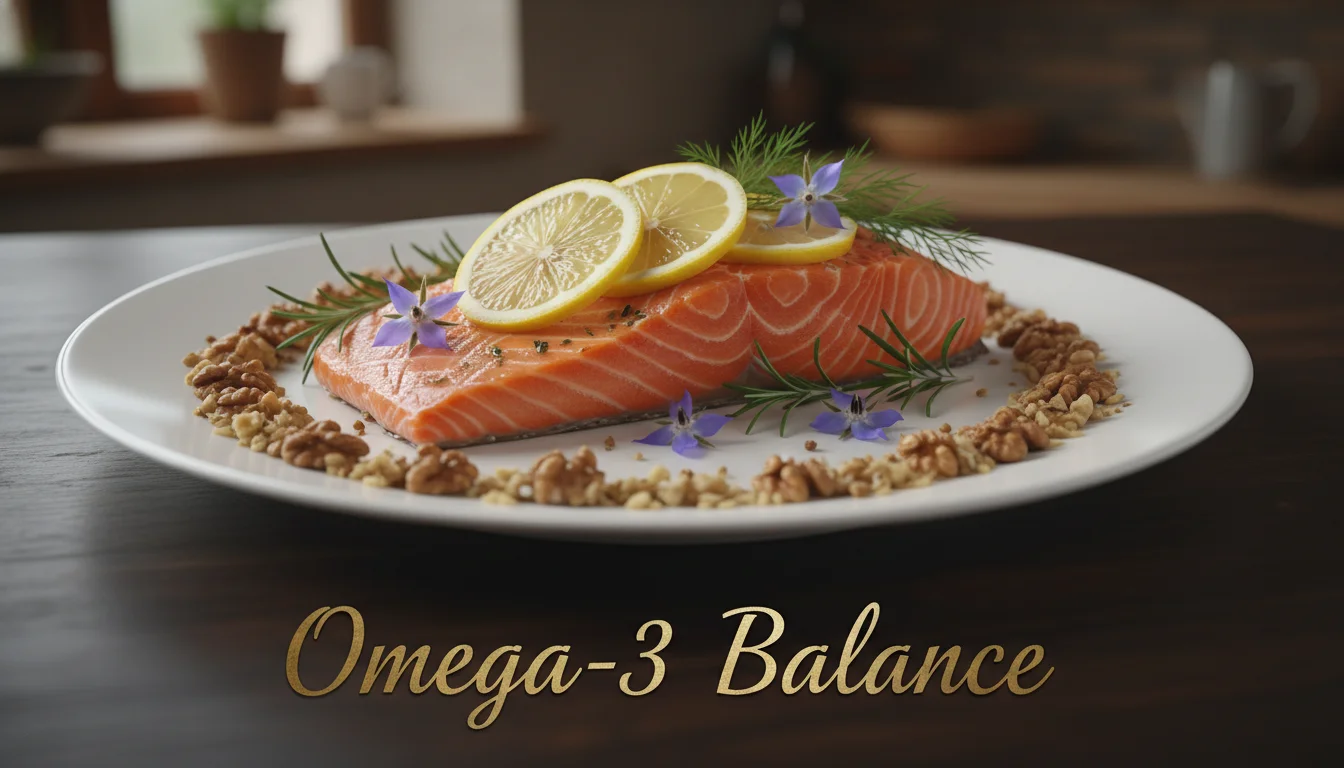
Wild-caught salmon and walnuts, excellent sources of omega-3 fatty acids.
The relationship between omega-3 fatty acids and the brain's stress response is a cornerstone of modern nutritional psychiatry. Specifically, eicosapentaenoic acid (EPA) and docosahexaenoic acid (DHA) are known to reduce the inflammation that often triggers the HPA axis. Research consistently demonstrates that individuals with higher intakes of omega-3s exhibit lower levels of salivary cortisol during stressful tasks.
We advocate for the consumption of fatty fish, such as wild-caught salmon, mackerel, sardines, and anchovies, at least two to three times per week. For those following a plant-based diet in 2026, walnuts, chia seeds, and flaxseeds offer alpha-linolenic acid (ALA), which the body can partially convert to EPA and DHA. Furthermore, algae-based supplements have become a highly effective vegan alternative for direct DHA intake. These healthy fats serve as structural components of brain cells, ensuring that the communication between our brain and adrenal glands remains precise and regulated.
Harnessing Probiotics and Fermented Foods for Cortisol Balance
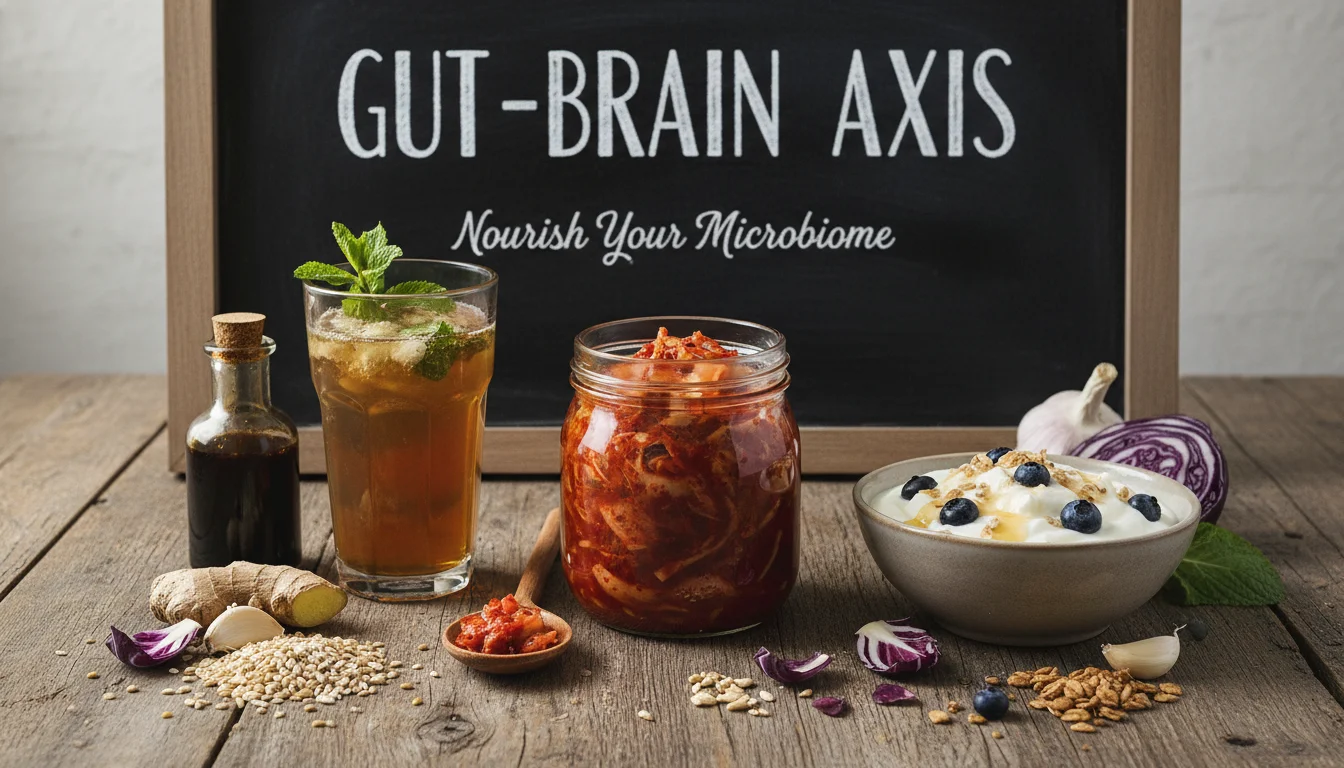
Various fermented foods like kimchi and yogurt to support the gut-brain axis.
The gut-brain axis is a primary focus of health optimization in 2026. We now understand that the microorganisms residing in our digestive tract communicate directly with the brain via the vagus nerve. An imbalanced microbiome—a state known as dysbiosis—can lead to increased intestinal permeability and systemic inflammation, both of which are potent triggers for cortisol production.
Integrating probiotic-rich foods is essential for maintaining a healthy microbial ecosystem. We suggest incorporating fermented foods such as Greek yogurt, kefir, sauerkraut, kimchi, and miso into your daily routine. These foods introduce beneficial bacteria that help lower the body's inflammatory markers and, consequently, reduce the demand for cortisol. A healthy gut translates to a more resilient stress response, allowing us to maintain composure in demanding environments.
Complex Carbohydrates and Their Influence on Serotonin
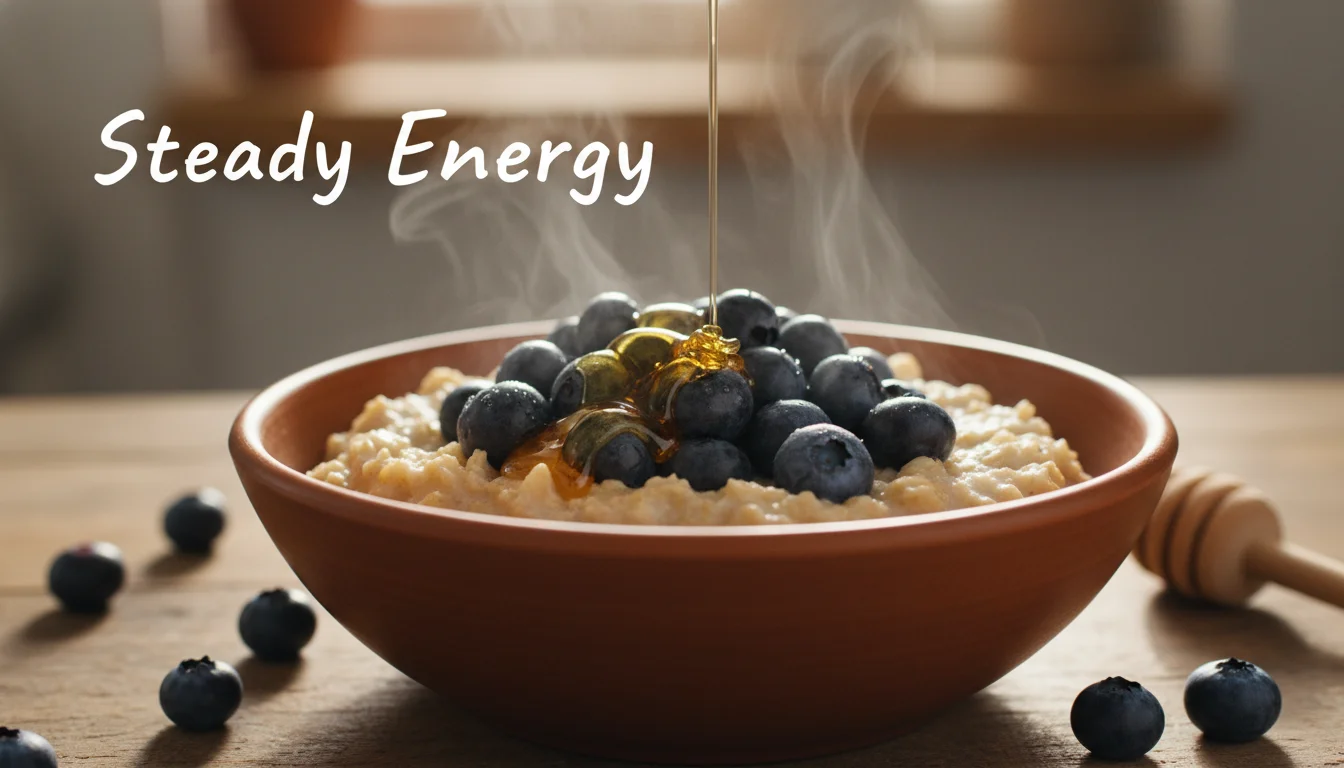
A bowl of steel-cut oats and blueberries, representing complex carbohydrates.
While refined sugars and simple carbohydrates cause rapid spikes in insulin and subsequent crashes that trigger cortisol, complex carbohydrates have the opposite effect. These "slow-burning" fuels provide a steady stream of glucose to the brain, which prevents the "emergency" signals that lead to adrenal activation. Furthermore, complex carbs are necessary for the brain to produce serotonin, a neurotransmitter that promotes feelings of calm and well-being.
Our preferred sources of complex carbohydrates include steel-cut oats, quinoa, sweet potatoes, and whole-grain rye. These foods are high in soluble fiber, which slows the absorption of sugar and maintains stable energy levels throughout the day. By avoiding the peaks and valleys associated with processed snacks, we preserve our adrenal reserves and prevent the metabolic stress that drives cortisol elevation.
The Power of Polyphenols and Antioxidant-Dense Superfoods
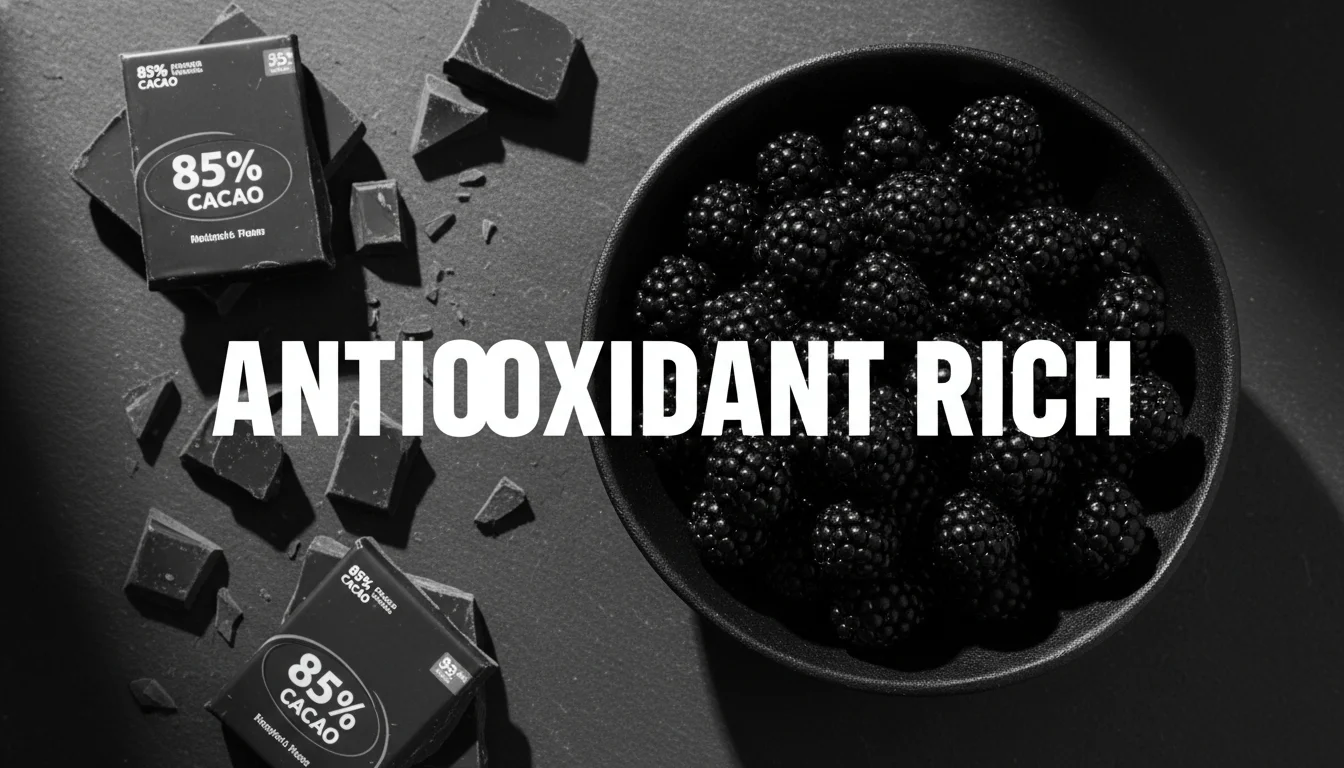
Dark chocolate and blackberries, high in antioxidants for cortisol management.
Antioxidants play a vital role in neutralizing the oxidative stress that accompanies high cortisol levels. In 2026, we emphasize the importance of polyphenols—naturally occurring compounds found in plants that have powerful anti-inflammatory effects. One of the most enjoyable ways to lower cortisol is through the consumption of high-quality dark chocolate (at least 70% cacao). Dark chocolate contains flavonoids that have been shown to reduce the excretion of cortisol and catecholamines in highly stressed individuals.
In addition to dark chocolate, we recommend an abundance of berries, particularly blueberries, raspberries, and blackberries. These fruits are rich in anthocyanins and Vitamin C. Vitamin C, in particular, is highly concentrated in the adrenal glands and is essential for the production of adrenal hormones. By consuming foods high in these protective compounds, we provide a "buffer" that shields our cells from the corrosive effects of chronic stress.
Hydration and the Role of Herbal Teas in Stress Mitigation
A cup of green tea and a glass of water, emphasizing hydration for stress.
Dehydration is a subtle but significant physiological stressor. Even mild levels of dehydration can cause a measurable increase in cortisol levels as the body struggles to maintain fluid balance and blood pressure. Therefore, consistent hydration is a fundamental pillar of our cortisol-lowering strategy.
Beyond plain water, certain beverages offer specific functional benefits. Green tea, specifically matcha, is rich in L-theanine, an amino acid that promotes relaxation without sedation. L-theanine has been shown to counteract the stimulatory effects of caffeine and lower the heart rate response to stress. Similarly, herbal infusions such as chamomile, holy basil (Tulsi), and ashwagandha tea have adaptogenic properties that help the body "adapt" to stress and restore homeostasis. We suggest replacing a second or third cup of coffee with these calming alternatives to prevent caffeine-induced cortisol spikes.
Dietary Habits to Minimize Cortisol Spikes
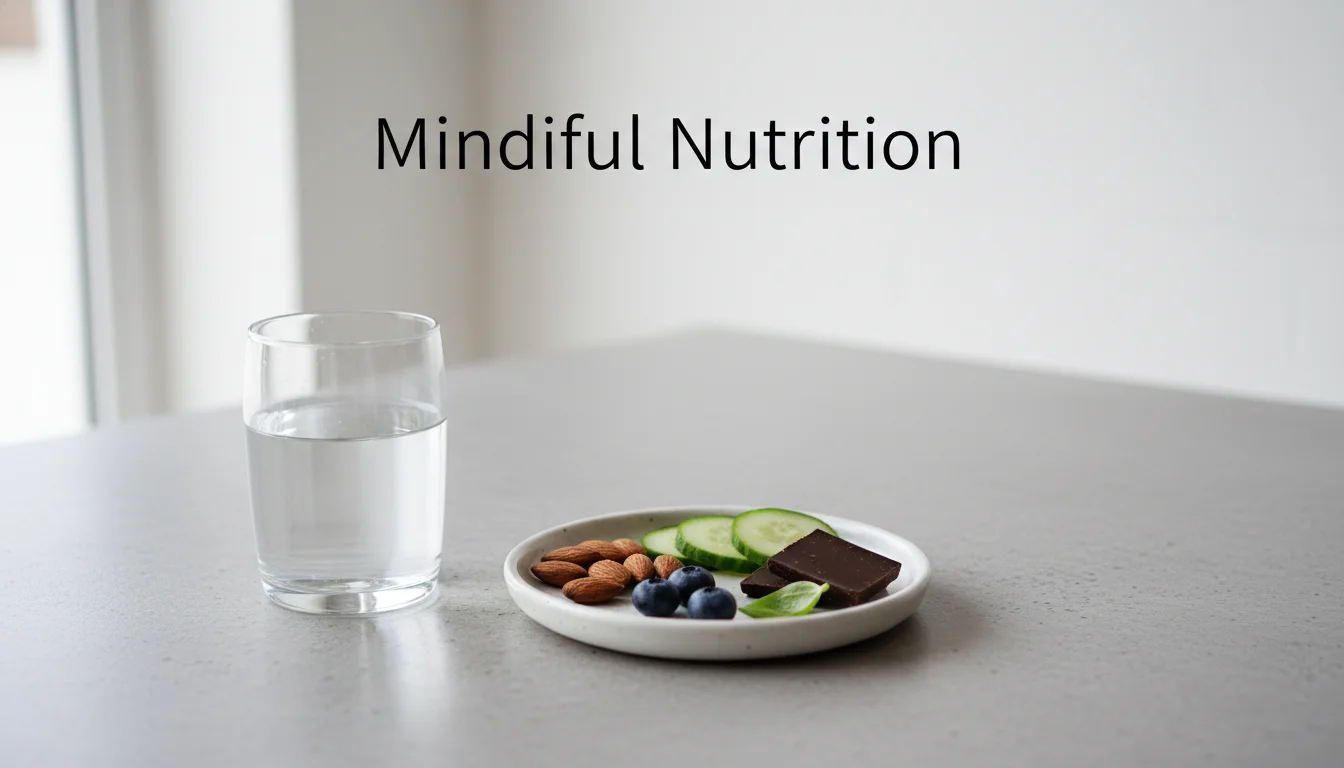
A minimalist representation of healthy snacking and hydration for hormone balance.
While what we eat is paramount, how and when we eat also significantly impacts our hormonal health. To maintain optimal cortisol levels in 2026, we must address our overall relationship with food. Irregular meal timing and skipping breakfast can cause drops in blood sugar that force the adrenals to produce cortisol to mobilize stored glucose.
We recommend a strategy of consistent meal intervals to ensure metabolic stability. Furthermore, we must be mindful of our intake of stimulants. Excessive caffeine, especially on an empty stomach, mimics the stress response and can lead to a prolonged state of anxiety. Similarly, while alcohol may feel relaxing in the short term, it is a significant physiological stressor that disrupts sleep architecture and raises nocturnal cortisol levels. By prioritizing whole, unprocessed foods and practicing mindful eating, we create an internal environment conducive to hormonal balance and long-term health.
Integrating Cortisol-Lowering Foods into a 2026 Lifestyle
Achieving sustainable health in 2026 requires a commitment to proactive nutrition. We have moved beyond simple calorie counting to a more sophisticated understanding of how food acts as information for our biological systems. By choosing foods rich in magnesium, omega-3s, and antioxidants, and by supporting our gut health with probiotics, we take command of our body's stress machinery.
We encourage you to view every meal as an opportunity to reinforce your resilience. The modern world may be demanding, but our bodies are remarkably adaptable when provided with the correct raw materials. By making these cortisol-lowering foods the foundation of our diets, we not only manage stress more effectively but also unlock higher levels of cognitive performance, emotional stability, and physical vitality. The journey to lower cortisol is not about restriction; it is about the abundant inclusion of the nutrients that allow us to thrive in an ever-changing world.