Best Natural Hair Care Remedies That Actually Work
In an era dominated by synthetic chemicals and complex laboratory-engineered formulas, we are witnessing a significant paradigm shift toward holistic beauty. Many of us have discovered that the secret to luxurious, resilient, and vibrant hair often resides not in a high-priced salon bottle, but within the botanical treasures provided by nature. The pursuit of natural hair care remedies is more than a fleeting trend; it is a return to fundamental wellness practices that prioritize the health of the scalp and the integrity of the hair shaft.
We understand the frustration of dealing with persistent issues such as thinning hair, chronic dryness, or an irritated scalp. Commercial products frequently contain sulfates, parabens, and silicones that offer a temporary illusion of smoothness while causing long-term dehydration and buildup. By pivoting to organic alternatives, we can nourish our follicles with vitamins, minerals, and fatty acids that harmonize with our biological needs. In this comprehensive guide, we explore the most effective, science-backed natural remedies that deliver tangible results for every hair type.
Understanding Your Hair Type and Its Natural Needs
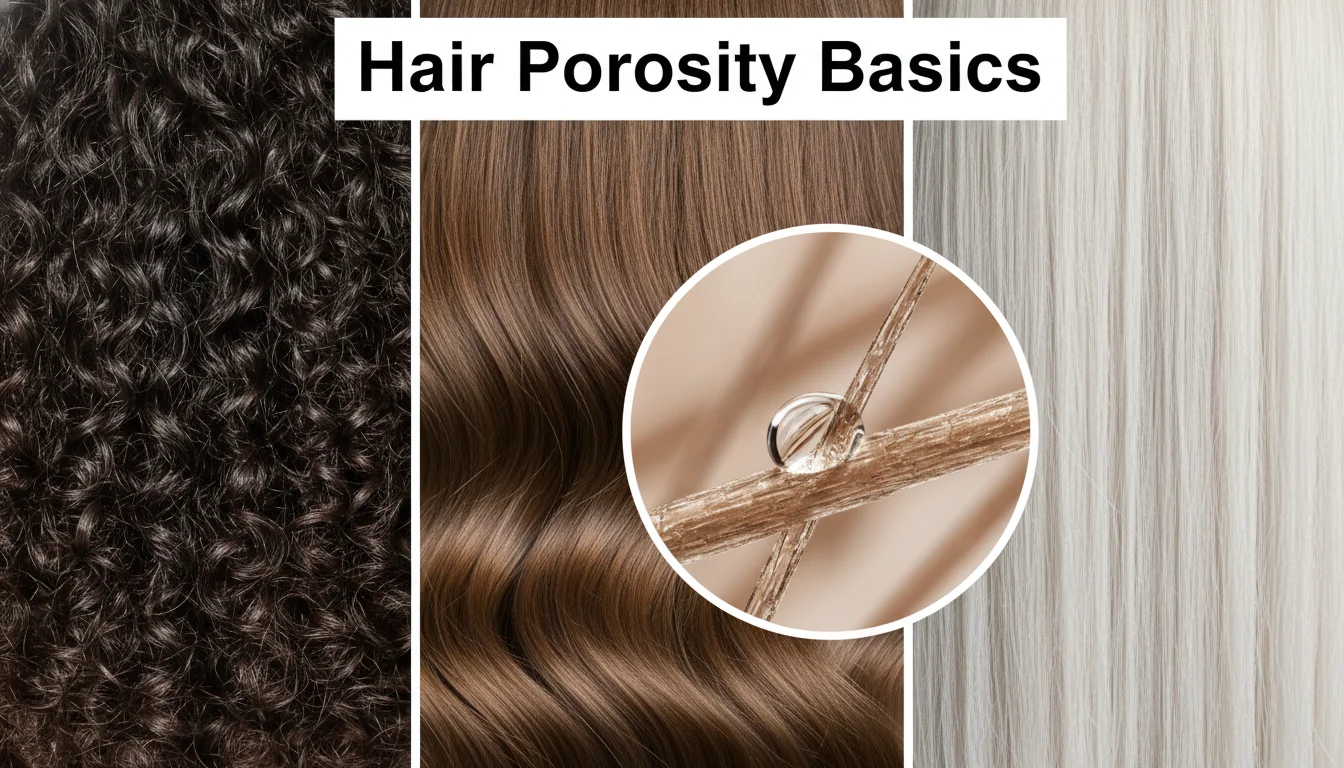
Close-up of different hair textures and a water droplet representing porosity.
Before we can successfully implement any natural treatment, we must first recognize that hair care is not a one-size-fits-all endeavor. The efficacy of a remedy is largely determined by hair porosity, texture, and the specific condition of the scalp. High porosity hair possesses gaps and holes in the cuticle, allowing moisture to enter easily but escape just as quickly. Conversely, low porosity hair has tightly bound cuticles that resist moisture absorption, requiring heat or specific pH-balancing agents to open the shaft.
We advocate for a personalized approach. If your hair feels perpetually dry despite heavy oiling, you likely require humectants like aloe vera or honey to draw moisture in. If your strands are limp and lack elasticity, they may be craving protein-rich applications. By assessing how our hair reacts to water and natural oils, we can tailor our botanical regimen to address the root cause of our concerns rather than merely treating the symptoms. A healthy foundation begins with scalp equilibrium, as the scalp is the living soil from which our hair grows.
Deep Conditioning with Essential Natural Oils
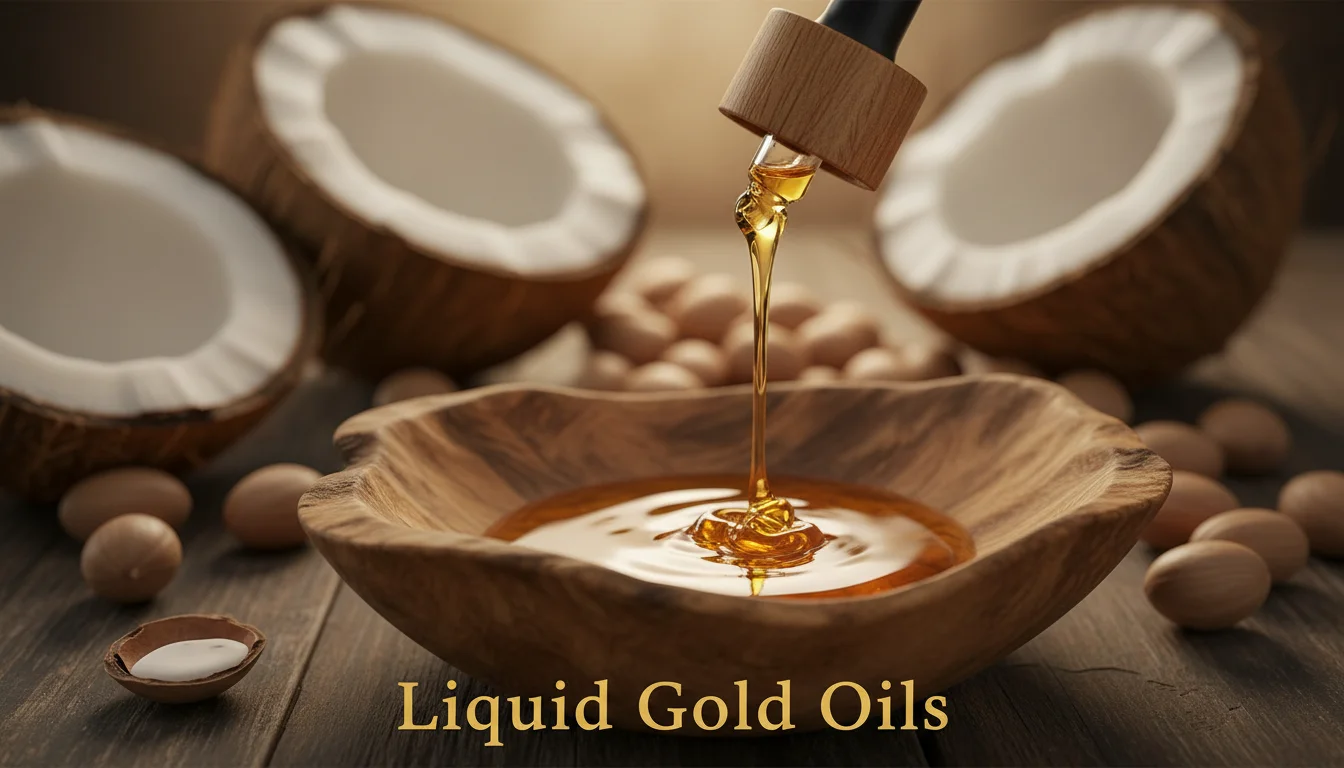
Golden natural oil being dispensed from a dropper bottle for hair treatment.
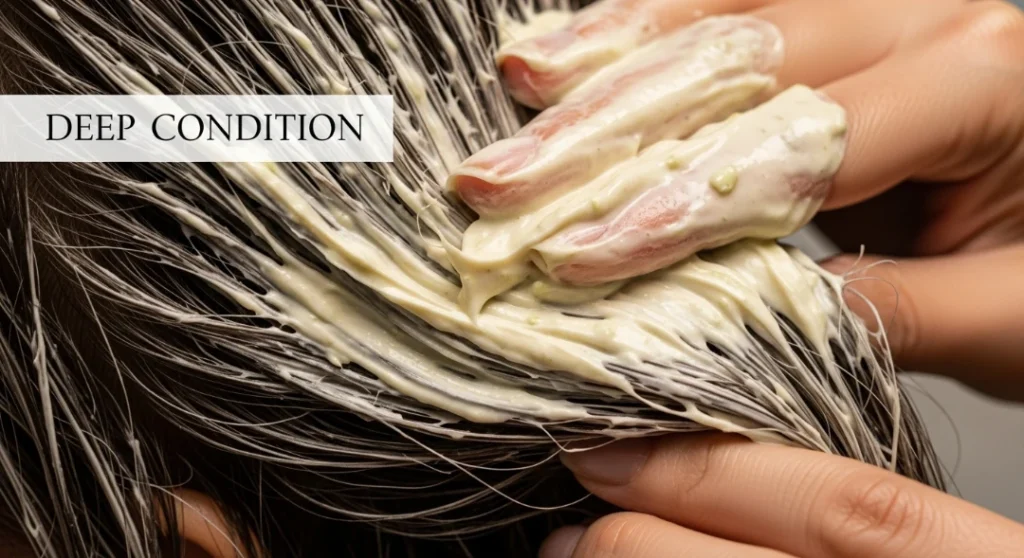
The use of pure botanical oils is perhaps the most ancient and effective method for restoring hair vitality. Unlike mineral oils that sit on the surface, certain plant-derived lipids have the molecular structure required to penetrate the hair cortex. Coconut oil is a primary example; it is rich in Lauric acid, which has a high affinity for hair proteins, allowing it to reduce protein loss during wash cycles. We recommend using it as a pre-wash treatment to protect the hair from hygral fatigue.
For those seeking lightweight moisture without the heaviness, Argan oil
—often referred to as "liquid gold"—is an exceptional choice. It is packed with Vitamin E and antioxidants, which provide a protective layer against environmental oxidative stress. Furthermore, Jojoba oil is unique because its chemical composition closely mimics human sebum. This makes it an ideal remedy for balancing oil production on the scalp, ensuring that the follicles remain hydrated without becoming overly greasy. Regular warm oil massages enhance blood circulation, facilitating the delivery of these vital nutrients to the hair bulb.
Scalp Stimulating Treatments for Growth and Thickness
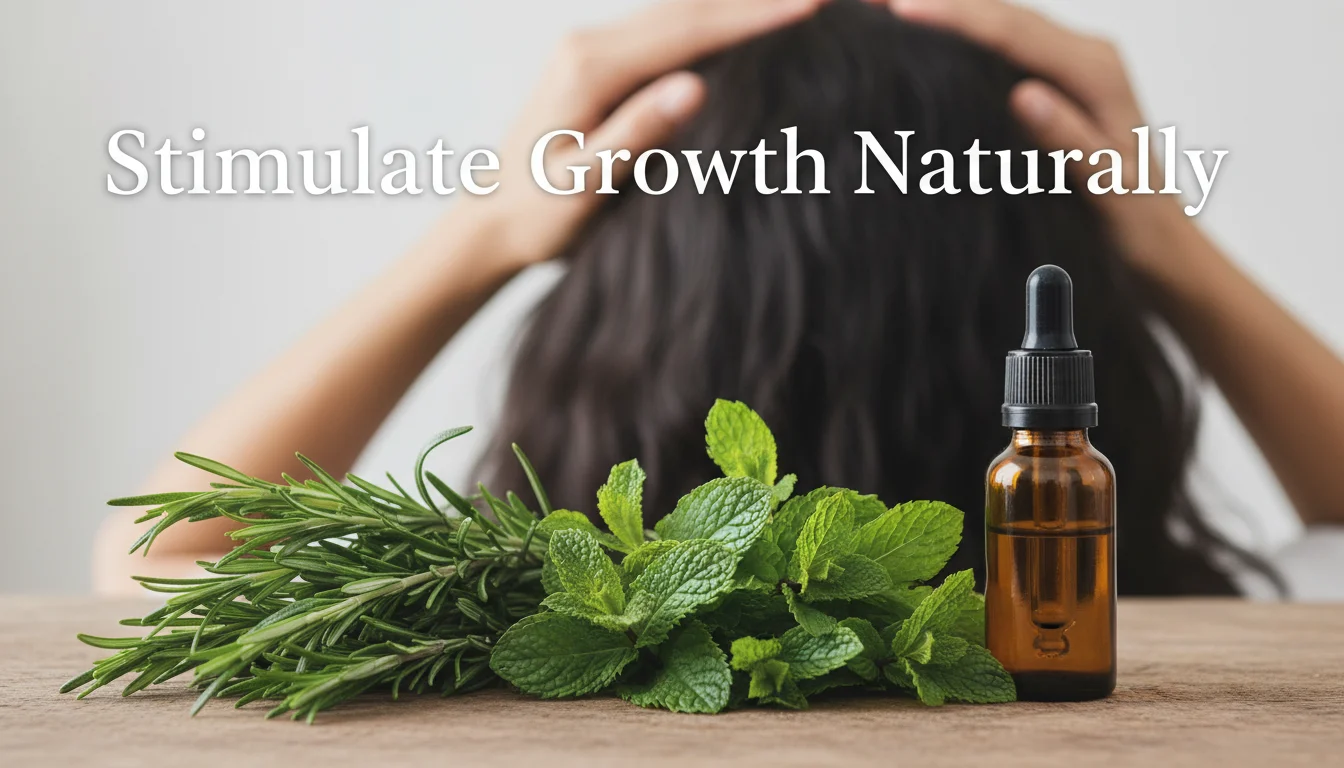
Fresh rosemary and peppermint leaves used for scalp stimulation remedies.
Achieving significant hair growth requires more than just length retention; it requires a healthy, active scalp environment. One of the most potent natural hair care remedies currently supported by clinical observation is Rosemary essential oil. Studies have suggested that rosemary oil can be as effective as certain over-the-counter growth stimulants in treating androgenetic alopecia, without the associated side effects of itching or redness. We suggest diluting a few drops in a carrier oil, such as Grapeseed or Sweet Almond oil, and performing a vigorous five-minute scalp massage thrice weekly.
In addition to rosemary, Peppermint oil provides a vasodilatory effect, increasing blood flow to the treated area. This "tingle" signifies the awakening of dormant follicles. Another powerful traditional remedy is Castor oil, specifically Jamaican Black Castor Oil. Rich in Ricinoleic acid, it helps to fight scalp infections and fungi that can inhibit growth. Because of its thick consistency, we recommend mixing it with a lighter oil to ensure ease of application. Consistent stimulation and nourishment of the scalp are the cornerstones of achieving a thicker, fuller mane.
Protein-Rich Hair Masks from Your Kitchen
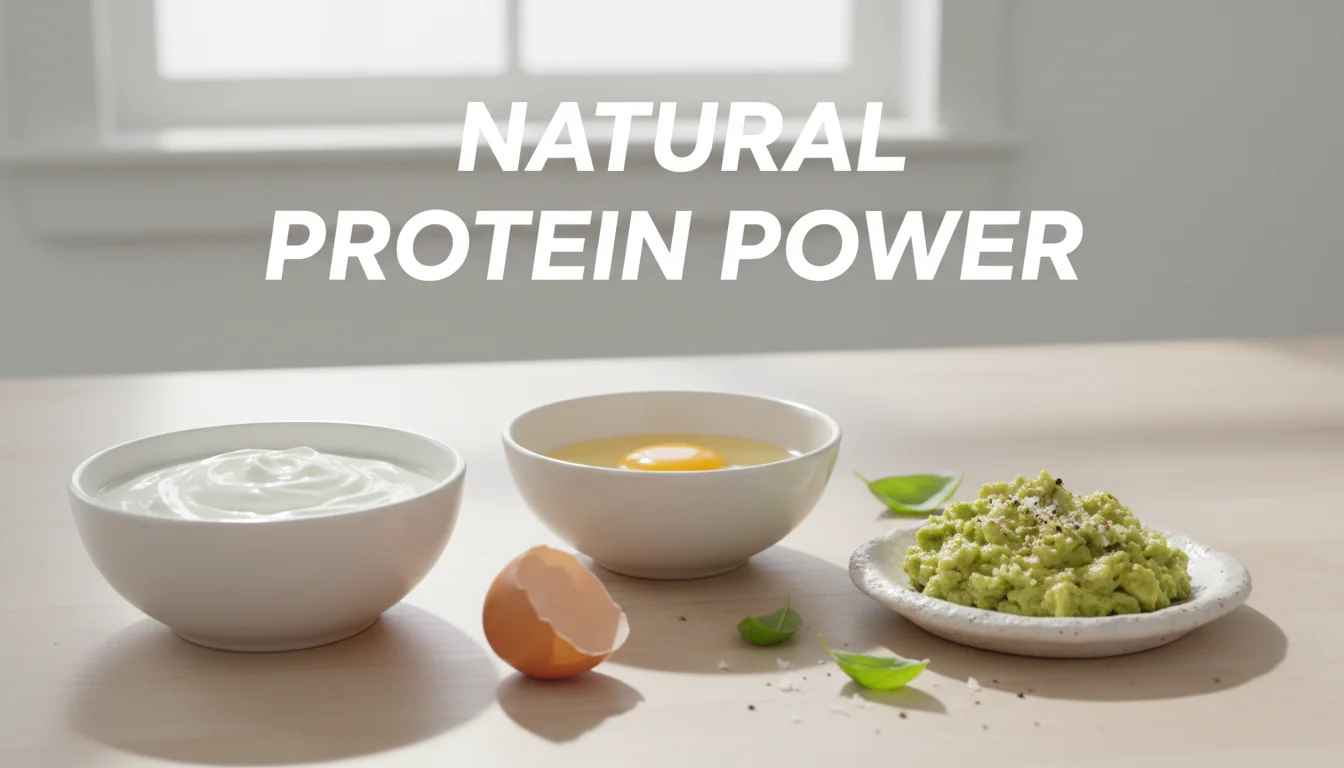
Kitchen ingredients like eggs, yogurt, and avocado for protein hair masks.
Hair is primarily composed of a tough protein called keratin. Over time, heat styling, chemical processing, and UV exposure can deplete these proteins, leading to brittle strands and split ends. To combat this, we can utilize protein-rich food sources to create intensive strengthening masks. Eggs are an excellent source of high-quality protein and biotin, which are essential for hair strength and shine. A simple mask of whisked eggs and olive oil can significantly improve the structural integrity of the hair shaft.
For those with fine hair who may find egg masks too heavy, Greek yogurt offers a lighter alternative. The lactic acid in yogurt helps to cleanse the scalp by dissolving dead skin cells, while its protein content reinforces the hair. Additionally, Avocado provides a dual-action benefit; it contains both strengthening proteins and healthy fats that moisturize. We advise applying these DIY masks to damp hair for 20-30 minutes, ensuring the hair is rinsed with cool water to prevent "cooking" the egg proteins into the strands. This natural approach to protein therapy restores elasticity and prevents breakage.
Clarifying and pH Balancing Rinses
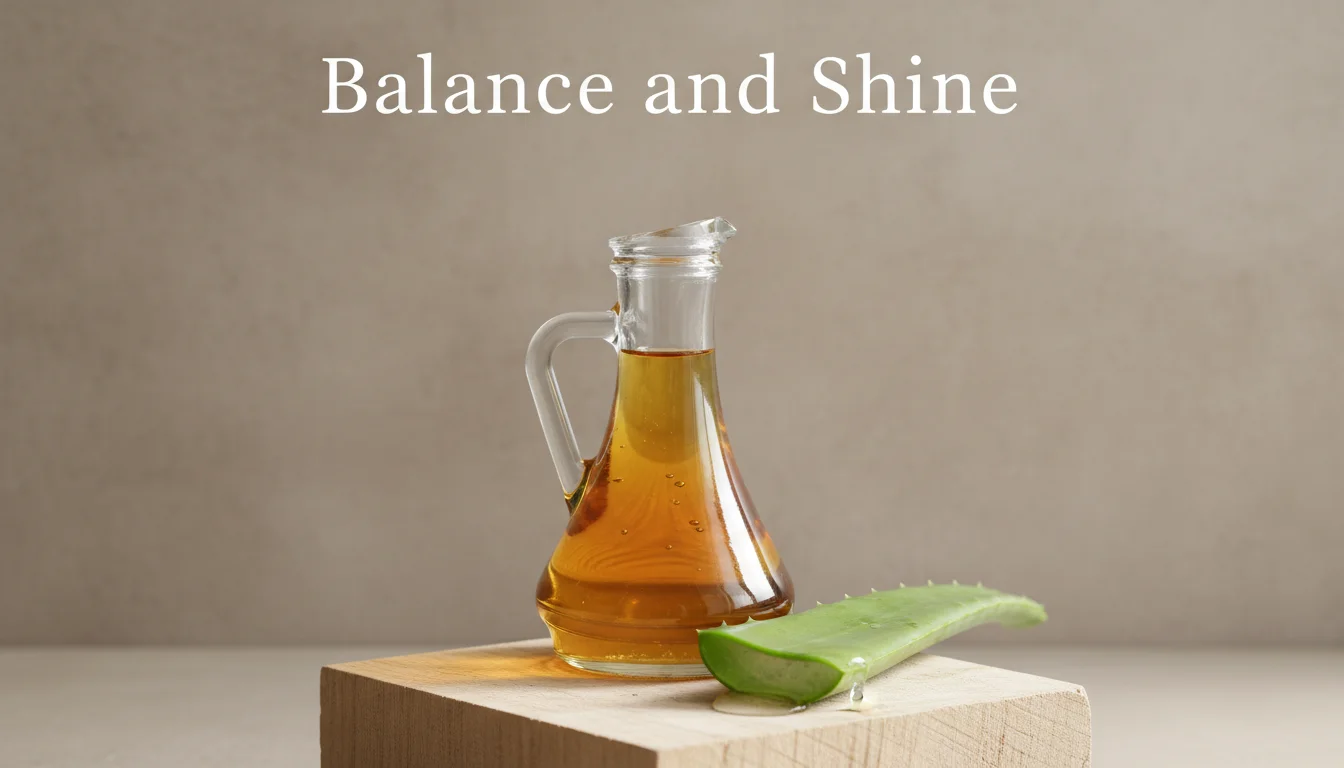
Apple cider vinegar and aloe vera gel for balancing hair pH.
The pH level of our hair and scalp is naturally acidic, typically falling between 4.5 and 5.5. Most commercial shampoos are alkaline, which causes the hair cuticle to swell and lift, leading to tangles, frizz, and dullness. To restore order, we look toward Apple Cider Vinegar (ACV). An ACV rinse acts as a natural clarifying agent, removing product buildup and hard water minerals while smoothing the cuticle. This process not only adds a remarkable mirror-like shine but also helps to seal in moisture.
Similarly, Aloe Vera is a powerhouse for pH regulation. It contains proteolytic enzymes that repair dead skin cells on the scalp, making it an incredible remedy for dandruff and itchiness. We find that using pure aloe vera gel as a leave-in treatment or a scalp mask provides a cooling, anti-inflammatory effect that promotes a healthy microbiome. When the scalp's pH is balanced, the hair is naturally more resistant to bacteria and fungi, resulting in a cleaner, more vibrant appearance without the use of harsh clarifying detergents.
Herbal Infusions for Strength and Shine
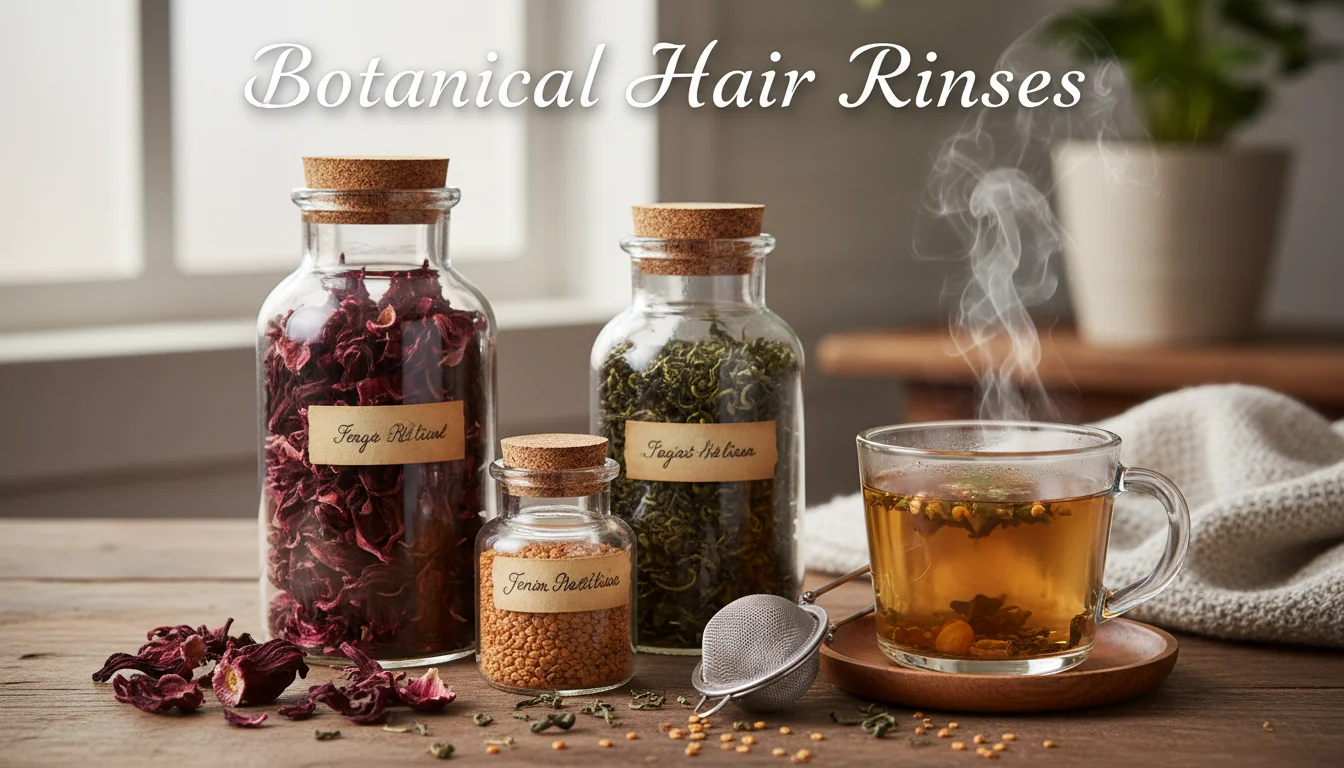
Dried herbs and brewed herbal tea infusions for hair rinsing.
Traditional apothecaries have long utilized herbal rinses to enhance hair color and strength. Green tea, for instance, is exceptionally high in epigallocatechin-3-gallate (EGCG), an antioxidant that has been shown to stimulate hair growth by protecting the cells in the follicles. A cooled green tea rinse after shampooing can reduce shedding and add a healthy glow. For those with dark hair, Hibiscus flowers can be steeped to create a rinse that prevents premature greying and adds a subtle, beautiful tint.
We also cannot overlook the benefits of Fenugreek (Methi) seeds. These seeds are a staple in Ayurvedic traditions, known for their high mucilage content, which provides excellent slip for detangling, and their high levels of nicotinic acid, which treats thinning hair. By steeping these herbs in boiling water and allowing the infusion to cool, we create a nutrient-dense "hair tea" that can be used as a final rinse. These botanical extracts provide a gentle yet effective way to infuse the hair with micronutrients that are often stripped away by modern styling routines.
Holistic Lifestyle Habits for Sustainable Hair Health
Healthy food, water, and sleep representing a holistic approach to hair care.
While external treatments are vital, we must acknowledge that hair is a reflection of our internal health. No amount of topical oil can fully compensate for a lack of essential nutrients. A diet rich in Omega-3 fatty acids (found in walnuts and flaxseeds), Zinc (found in pumpkin seeds), and Iron is crucial for maintaining the hair's growth cycle. We emphasize the importance of hydration; water is essential for the transport of nutrients to the hair bulb, and chronic dehydration often manifests as brittle, dull hair.
Furthermore, managing oxidative stress through adequate sleep and stress-reduction techniques like meditation can prevent the premature transition of hair follicles into the telogen (shedding) phase. Protecting the hair from physical damage is also a key component of a natural regimen. We recommend switching to silk or satin pillowcases to reduce friction and breakage overnight. By combining these holistic lifestyle habits with the potent natural remedies discussed, we create a comprehensive ecosystem that supports long-term, sustainable hair beauty.
In conclusion, the journey toward healthier hair is best traveled through the intentional use of nature's bounty. By moving away from synthetic fillers and embracing the power of botanical oils, herbal infusions, and nutrient-dense foods, we provide our hair with the authentic care it deserves. These natural hair care remedies are not just alternatives; they are the gold standard for anyone seeking to achieve a truly radiant and healthy mane. We invite you to experiment with these treatments and witness the transformative power of organic hair wellness.