
Hair Gets Oily Too Fast? This Fix Actually Works
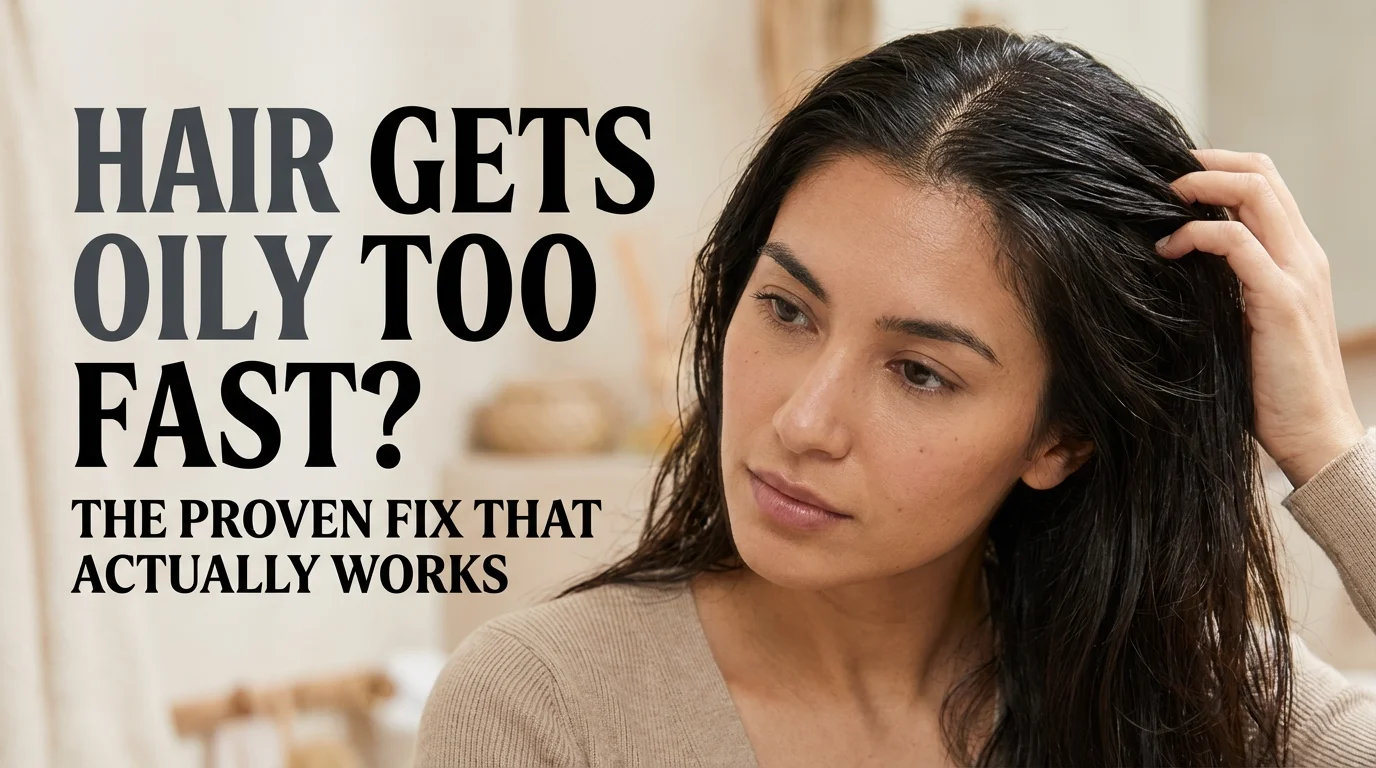
The frustration of waking up with greasy strands only twenty-four hours after a thorough wash is a common struggle that affects millions. When we find ourselves trapped in a cycle of daily washing, we are often fighting against our own biology. While many assume that frequent cleansing is the only solution, we have observed that this approach often exacerbates the problem, leading to a phenomenon known as reactive seborrhea. We understand that maintaining a balanced scalp microbiome is the cornerstone of hair health, yet achieving this balance requires more than just a random selection of drugstore shampoos.
In this comprehensive guide, we will dissect the physiological reasons why your sebaceous glands may be overactive and provide a structured, evidence-based "fix" that addresses the root cause rather than just the symptoms. By moving away from aggressive stripping agents and embracing a strategic hair care regimen, we can successfully retrain the scalp to produce the optimal amount of natural oils.
Understanding the Biological Causes of Rapid Sebum Production
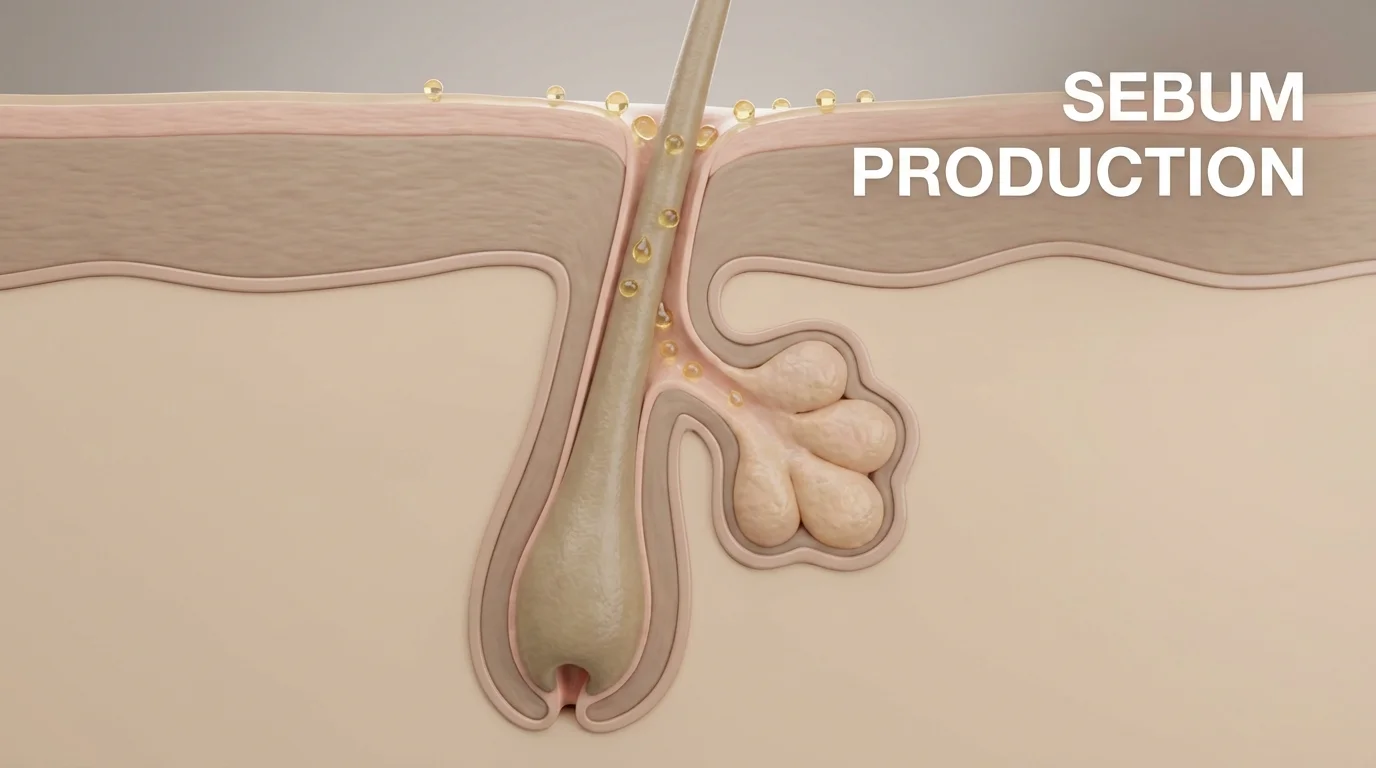
To effectively address why hair becomes oily too fast, we must first examine the function of the sebaceous glands. These microscopic glands are located in the dermis and are responsible for secreting sebum, a complex mixture of lipids that lubricates the skin and hair. Sebum is essential for protecting the hair shaft and maintaining the scalp's moisture barrier. However, when these glands become overstimulated, the resulting excess oil leads to the limp, weighted-down appearance we associate with greasy hair.
Several factors influence the rate of sebum secretion. Hormonal fluctuations, particularly an increase in androgens, can signal the sebaceous glands to enlarge and produce more oil. This is why many individuals notice a shift in their hair type during puberty, pregnancy, or periods of high stress. Furthermore, genetics play a significant role; if your parents struggled with oily skin or hair, we often see a higher density of sebaceous glands in their offspring. Environmental factors, such as high humidity or pollution, can also cause sebum to spread more rapidly along the hair fiber, making the hair appear dirtier than it truly is.
We must also consider the scalp microbiome. Much like the gut, the scalp is home to a variety of bacteria and fungi, such as Malassezia. When the oil-water balance is disrupted, these microorganisms can proliferate, leading to inflammation and further triggering the glands to produce even more oil as a defense mechanism. Understanding these underlying biological triggers is the first step in implementing a fix that provides long-term results.
Common Habits That Are Secretly Making Your Hair Greasier
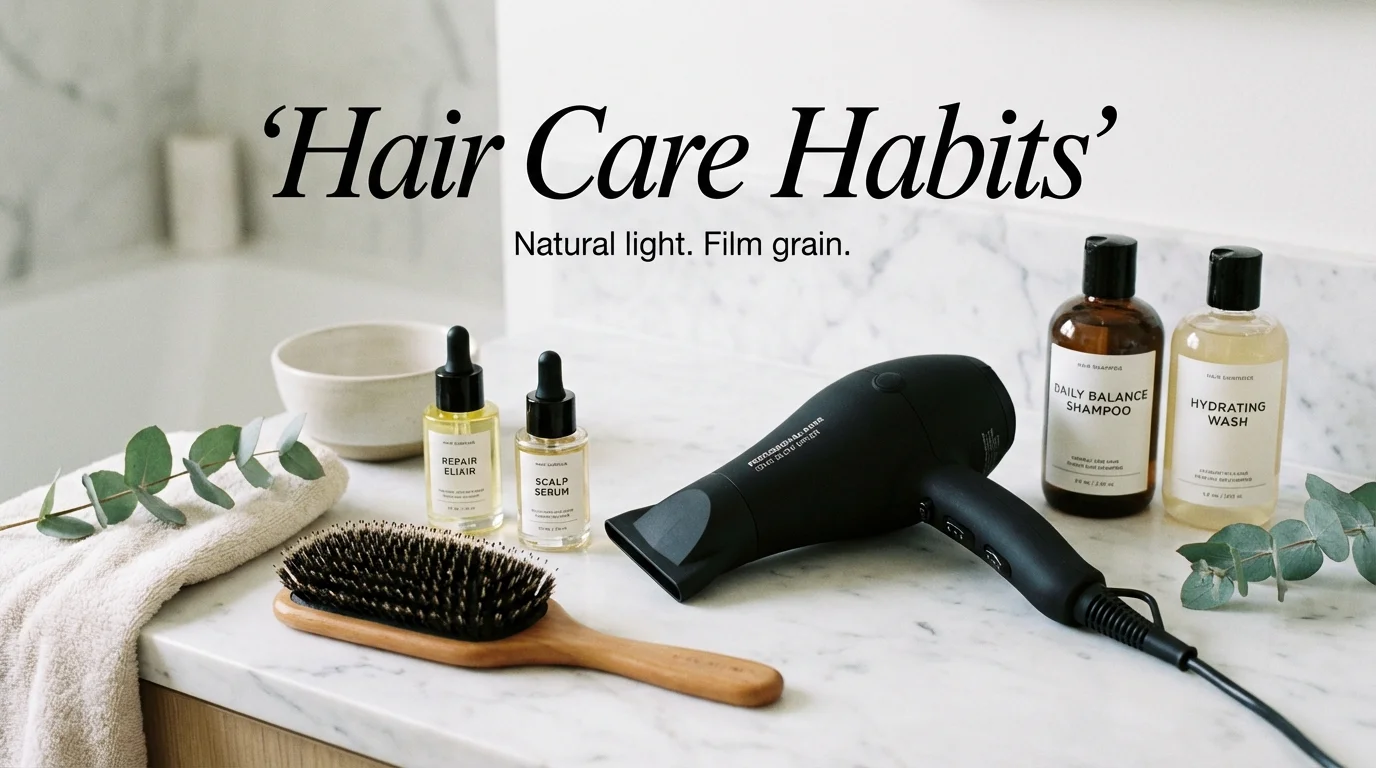
We frequently find that the very routines designed to combat oil are the primary culprits behind its rapid return. One of the most counterintuitive aspects of hair care is that over-washing is often the leading cause of an oily scalp. When we use harsh surfactants—specifically sodium lauryl sulfate (SLS)—we strip away the entire protective lipid layer. In response to this perceived dryness, the scalp enters a state of hyper-production to restore equilibrium, creating a vicious cycle of oiliness and stripping.
Another common mistake involves the application of conditioners and styling products. We recommend that conditioner should never touch the scalp; its purpose is to seal the cuticle of the hair ends, which are older and more prone to damage. Applying heavy oils or silicones near the roots suffocates the scalp and traps sebum, leading to immediate greasiness. Similarly, the frequent use of dry shampoo can be a double-edged sword. While it absorbs oil in the short term, the buildup of powder can clog pores and cause folliculitis, which further disrupts the scalp's natural functions.
Furthermore, we must address the physical manipulation of the hair. Touching your hair throughout the day transfers oils from your fingertips to the strands. Even your choice of hairbrush matters; using a dirty brush redistributes old sebum and product residue back onto clean hair. We emphasize the importance of sanitizing hair tools at least once a week to ensure that your cleaning efforts are not being neutralized by environmental contaminants.
The Definitive Fix: Strategic Scalp Training and Rebalancing
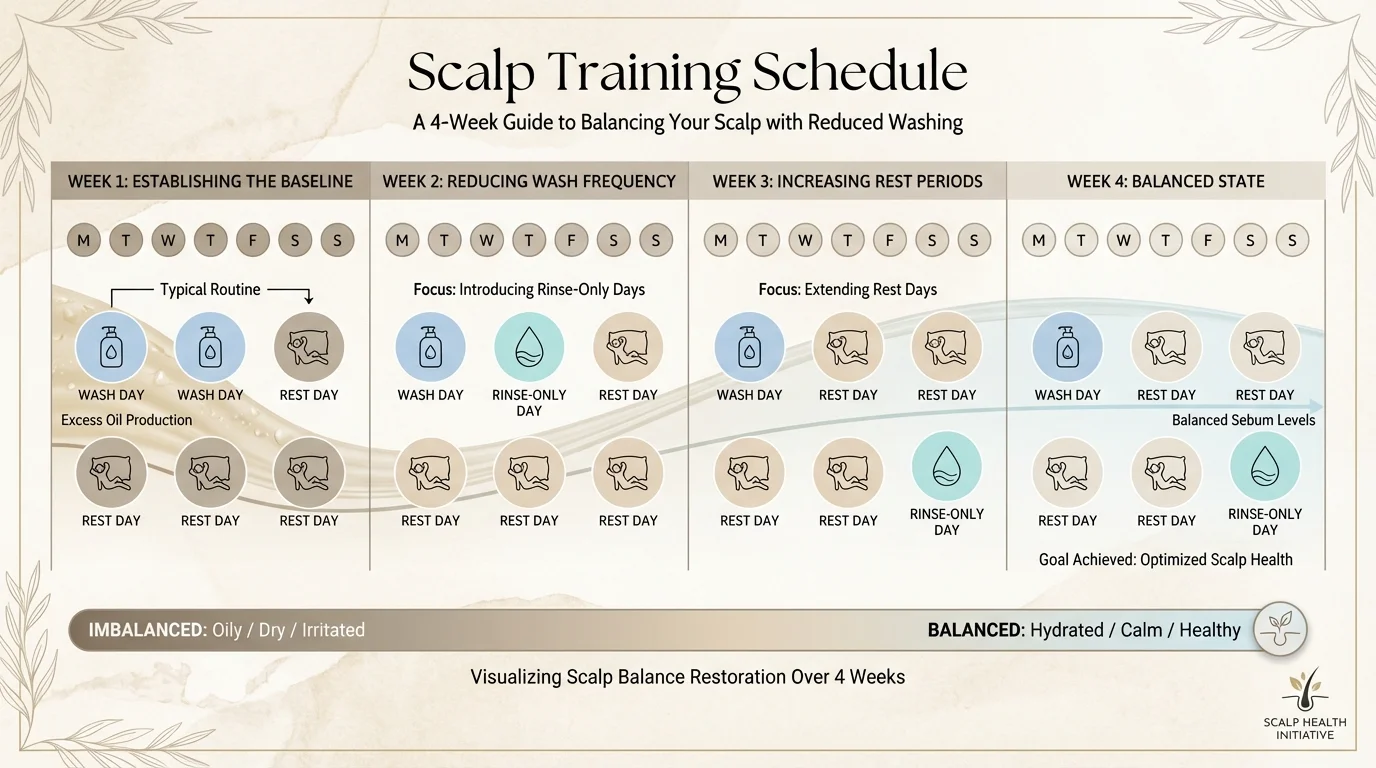
The "fix" that actually works is a process known as scalp training. This method involves systematically increasing the intervals between washes to allow the scalp's natural oil production to stabilize. While the initial transition period can be uncomfortable, the results are often transformative. We advise a gradual approach: if you currently wash every day, move to every other day for two weeks, eventually aiming for two to three times per week.
During this transition, the use of a clarifying shampoo is vital. Unlike regular shampoos, clarifying formulas are designed to remove deep-seated buildup from hard water minerals, pollutants, and heavy silicones. However, these should be used sparingly—no more than once a week—to avoid the rebound oil production mentioned earlier. On "off-days," we suggest rinsing the hair with lukewarm water or using a natural astringent like diluted apple cider vinegar to balance the pH level without stripping the moisture barrier.
We also advocate for the introduction of exfoliating scalp treatments. Much like a facial exfoliant, a scalp scrub or a chemical exfoliant containing salicylic acid (a BHA) can dissolve the dead skin cells and excess sebum that clog the follicles. By clearing these pathways, we allow the scalp to "breathe," which significantly reduces the speed at which hair appears greasy. This structural change in the routine is the core component of the fix that provides a permanent solution to rapidly oiling hair.
Choosing the Right Ingredients for Oily Scalp Management
When selecting products, we must be discerning about the ingredient profile. For individuals whose hair gets oily too fast, we look for ingredients that offer sebum-regulating properties. One of the most effective components is zinc pyrithione or zinc PCA, which not only helps control oil but also possesses antimicrobial properties to keep the scalp flora in check. Additionally, niacinamide (Vitamin B3) has been shown to improve the barrier function of the skin and regulate lipid production.
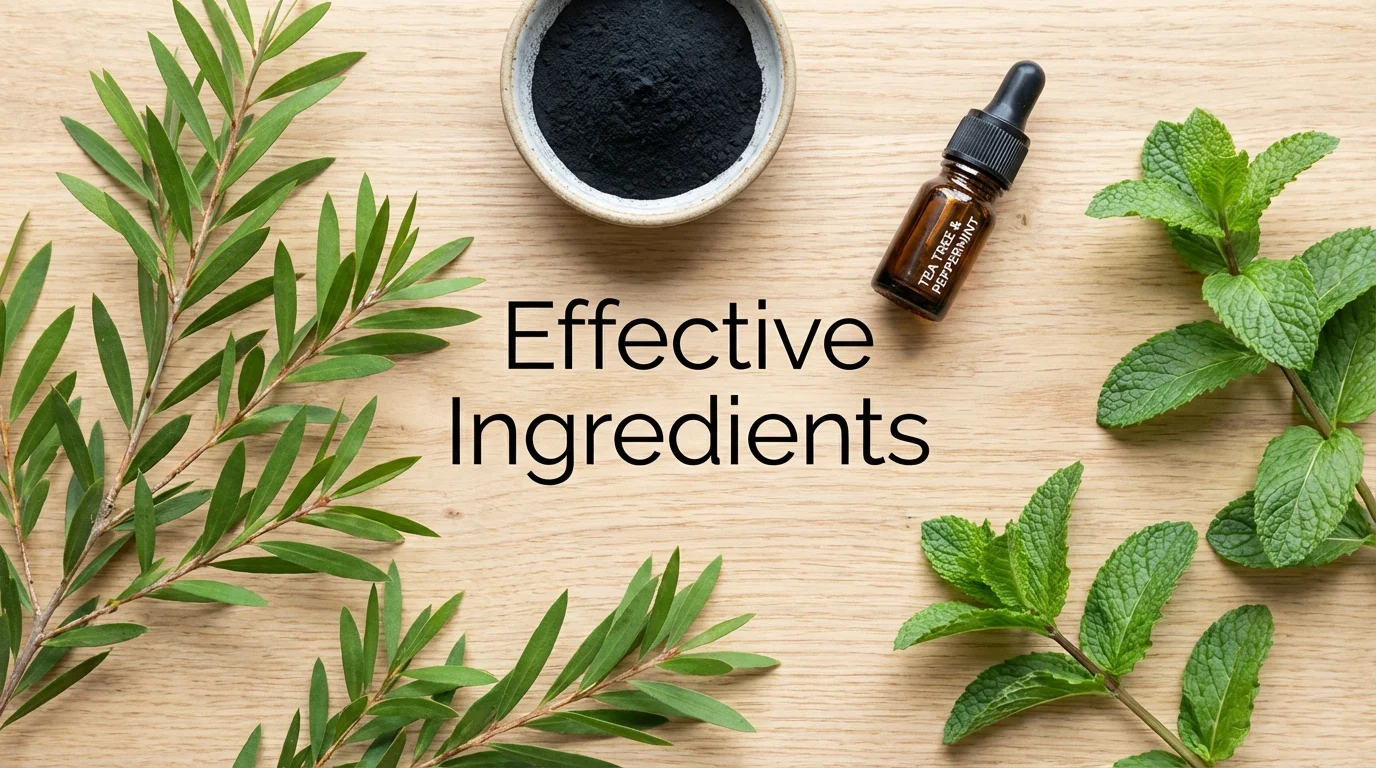
Botanical extracts also play a crucial role in our recommended fix. Tea tree oil is a potent natural antiseptic that can reduce the presence of oil-causing bacteria, while peppermint oil provides a cooling sensation that can soothe an inflamed, overactive scalp. For those seeking a deeper cleanse, kaolin or bentonite clay masks can be applied to the roots before washing. These clays act like magnets, drawing out impurities and excess sebum without the harshness of synthetic detergents.
Conversely, we must avoid certain ingredients that are detrimental to oily hair types. Heavy silicones (like dimethicone), parabens, and high concentrations of alcohol should be avoided. While silicones provide temporary shine, they are notoriously difficult to wash out and quickly lead to "product weigh-down." We suggest opting for "weightless" or "volumizing" formulations that focus on hydration through humectants like glycerin or hyaluronic acid rather than heavy occlusives.
Professional Techniques for Washing and Conditioning Oily Hair
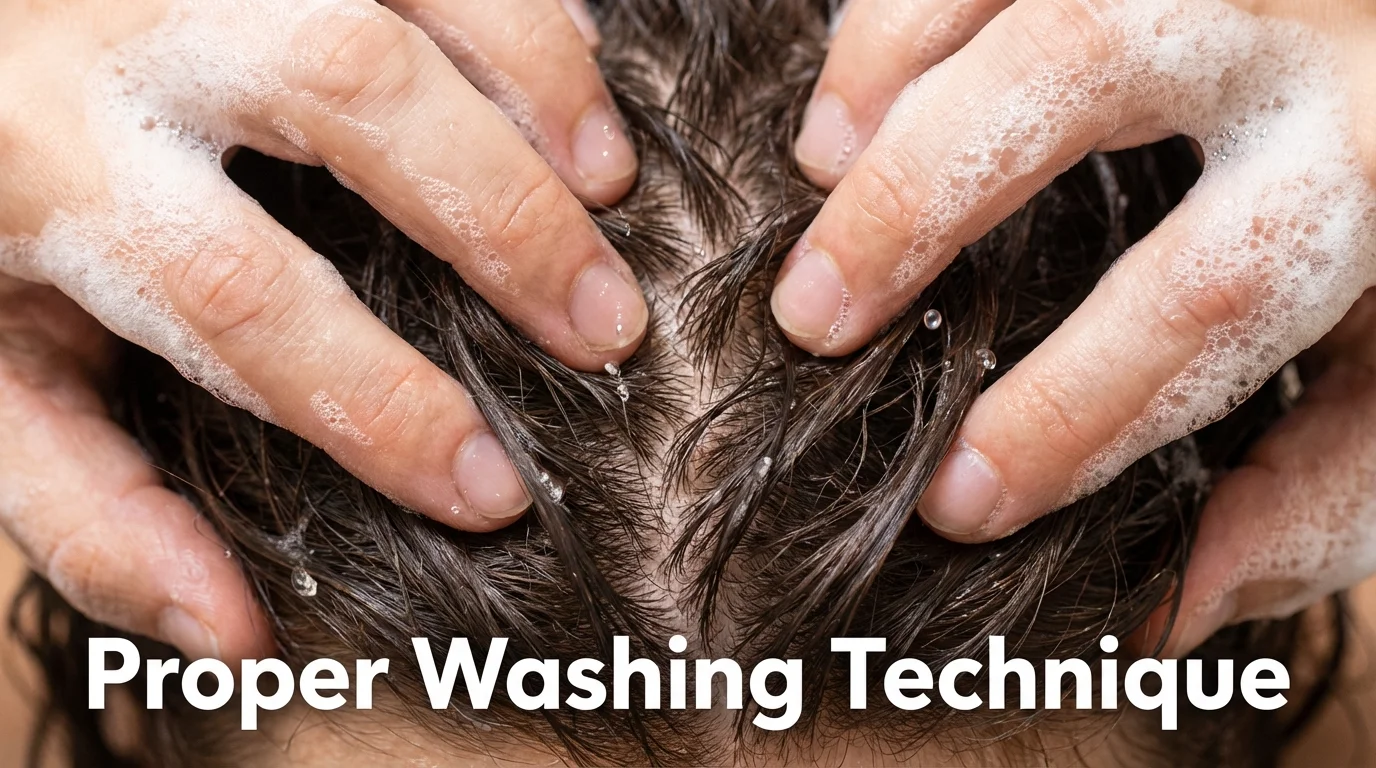
The method by which you wash your hair is just as important as the products you use. We recommend the double-cleansing technique, which has been borrowed from skincare. The first wash focuses on breaking down the surface oils and product buildup, while the second wash allows the active ingredients in the shampoo to actually penetrate and treat the scalp. During this process, we emphasize using the pads of your fingertips—never your nails—to massage the scalp in circular motions. This stimulates blood flow without causing micro-tears that can lead to inflammation.
Temperature control is another critical factor. We advise against using hot water, as heat dilates the pores and can stimulate the sebaceous glands to produce more oil. Instead, use lukewarm water for the washing phase and a cold water rinse at the very end. The cold water helps to seal the hair cuticle and constrict the pores, which can delay the emergence of sebum and add a natural shine to the hair.
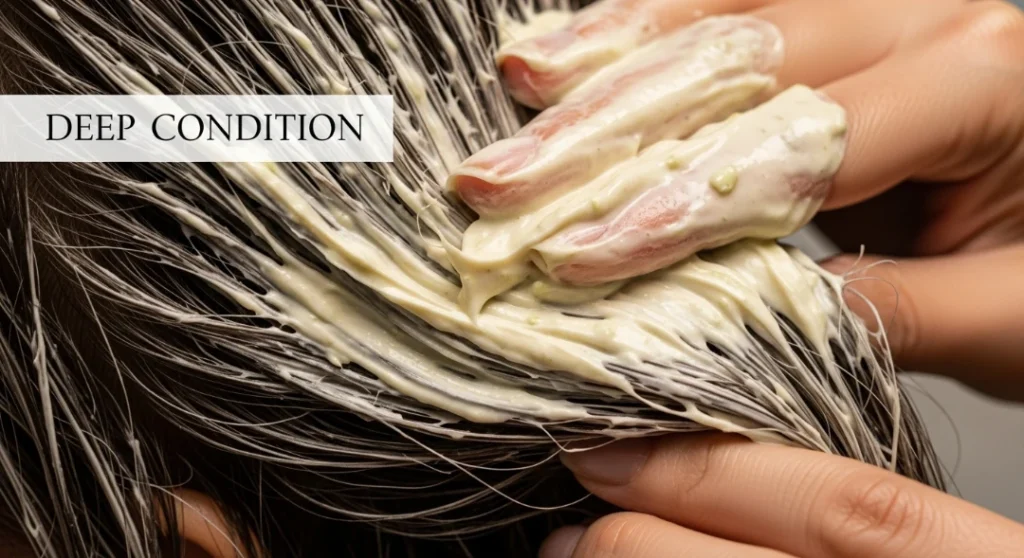
When it comes to conditioning, we must adhere to the "mid-shaft to ends" rule. If your hair is particularly fine or prone to oiliness, we suggest the reverse washing method. This involves applying conditioner to the ends first, letting it sit, and then shampooing the roots. This ensures that the ends receive the necessary hydration while the shampoo removes any accidental conditioner residue from the scalp area. By refining these techniques, we can significantly extend the life of a blowout and keep the hair looking fresh for longer.
Dietary and Lifestyle Adjustments for Healthier Hair Follicles

We must not overlook the internal factors that contribute to how fast hair gets oily. Our diet directly impacts our hormonal balance and, consequently, our sebum production. Diets high in refined sugars and high-glycemic carbohydrates can cause spikes in insulin, which in turn stimulates androgen production and oil secretion. We recommend a diet rich in omega-3 fatty acids, found in fish and flaxseeds, which help to regulate the oil glands and reduce systemic inflammation.
Vitamin B6 and Zinc are also essential for controlling sebum. Zinc, in particular, inhibits the 5-alpha reductase enzyme, which is responsible for converting testosterone into DHT—a primary driver of oily skin and hair. Furthermore, hydration is paramount. When the body is dehydrated, the skin (including the scalp) may produce more oil to compensate for the lack of internal moisture. Drinking adequate amounts of water ensures that the scalp remains supple and healthy.
Stress management is another vital pillar of our fix. Cortisol, the primary stress hormone, is known to trigger the sebaceous glands. We have observed that individuals experiencing chronic stress often report a sudden increase in scalp oiliness. Incorporating practices such as meditation, regular exercise, and adequate sleep can help stabilize cortisol levels. By addressing these lifestyle factors, we provide the body with the environment it needs to maintain a balanced scalp naturally.
Conclusion: Embracing a Sustainable Routine for Fresh Hair

Solving the problem of hair that gets oily too fast is not about finding a "miracle" product, but rather about adopting a holistic and disciplined approach. By understanding the biological mechanisms of the scalp and identifying the habits that trigger excess oil, we can implement a "fix" that is both effective and sustainable. Moving away from the cycle of daily washing and focusing on scalp health allows the hair to regain its natural body, shine, and vitality.
We believe that through scalp training, the use of sebum-regulating ingredients, and the mastery of washing techniques, anyone can overcome the challenge of greasy hair. It requires patience and a willingness to endure the initial transition period, but the reward is a low-maintenance routine and hair that remains clean and voluminous for days. We encourage you to start this journey today, trusting that a balanced scalp is the foundation for the healthy, beautiful hair you deserve.