
How to Keep Makeup Looking Fresh Without Constant Touch-Ups
Maintaining a flawless complexion from the early morning commute until the final hours of an evening event remains one of the most significant challenges in the world of beauty. Many individuals find that despite using high-quality products, their makeup begins to oxidize, settle into fine lines, or simply disappear by midday. We understand that the modern lifestyle demands resilience and durability, leaving little room for frequent trips to the vanity for corrections.
The secret to longevity does not lie solely in the products themselves, but in the meticulous synergy between skin preparation, application methodology, and the final sealing process. By shifting our focus from "fixing" makeup to "preventing" its degradation, we can achieve a look that resists environmental stressors such as humidity, sebum production, and friction. In this comprehensive guide, we will explore the professional techniques required to ensure your aesthetic remains vibrant and intact without the need for a constant safety net of touch-up tools.
Mastering the Art of Pre-Application Skin Preparation
The foundation of any long-wear makeup routine begins long before a single drop of pigment touches the face. We firmly believe that the state of the skin determines how well cosmetic formulas adhere and persist throughout the day. If the skin is dehydrated, it will greedily absorb the moisture from your foundation, leaving behind a patchy, uneven texture. Conversely, if the skin is excessively oily and unprepared, the makeup will essentially "slide" off the surface as the day progresses.
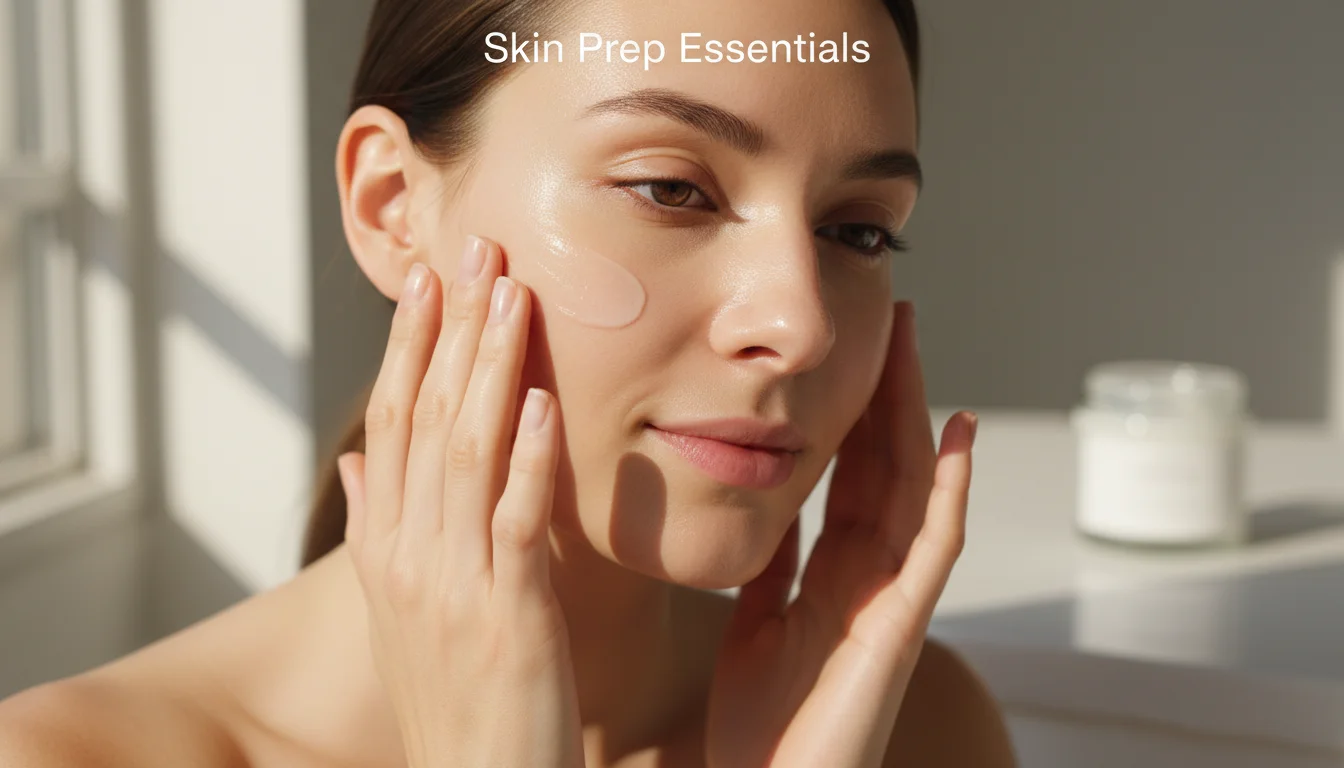
To achieve an optimal canvas, we must prioritize thorough cleansing followed by targeted hydration. Using a gentle, pH-balanced cleanser ensures that excess oils and impurities are removed without stripping the natural acid mantle. Following this, the application of a hyaluronic acid serum provides the necessary moisture-binding properties that keep the skin plump. When the skin is adequately hydrated from within, it is less likely to produce compensatory oils that break down your makeup.
Furthermore, exfoliation is a non-negotiable step for those seeking a fresh look that lasts. Dead skin cells create an irregular surface that traps pigment and causes "caking." We recommend a chemical exfoliant, such as a BHA (Salicylic Acid) for oily types or an AHA (Glycolic Acid) for dry types, used the evening before a long-wear day. This ensures the surface is smooth, allowing products to lay flat and bond effectively to the epidermis.
The Strategic Use of Primers for Extended Wear
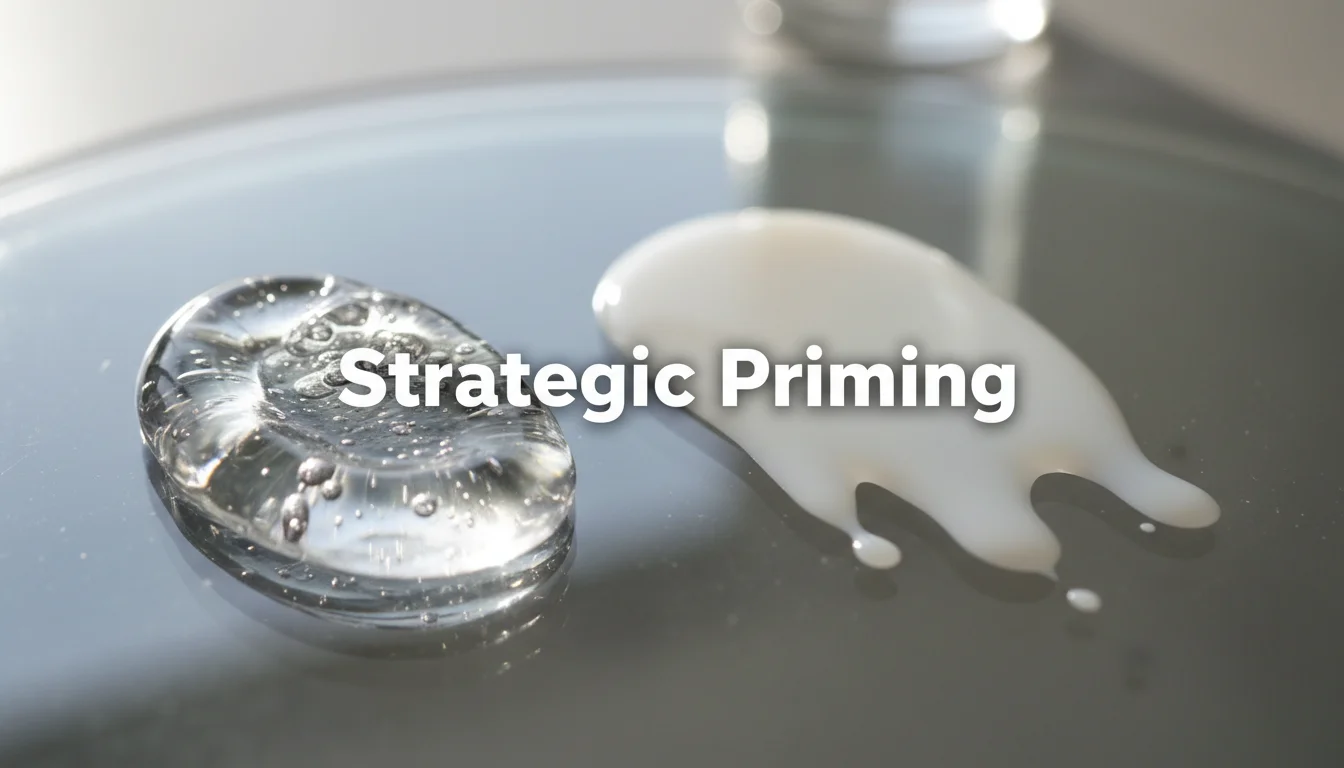
Once the skin is prepped, the next layer of defense is the primer. Primers act as a physical and chemical barrier between your skincare and your makeup. We view the primer as the "glue" that anchors your look in place. However, the efficacy of a primer depends entirely on its compatibility with your skin type and your foundation’s base.
For those battling midday shine, a mattifying primer formulated with silica or volcanic minerals can absorb excess sebum before it reaches the foundation layer. For individuals with enlarged pores or fine lines, a silicone-based smoothing primer creates a blurred effect, filling in indentations so that foundation does not "settle" or "pool" in those areas. It is vital to match the base of your primer with the base of your foundation; for instance, a water-based primer should ideally be paired with a water-based foundation to prevent the products from repelling each other and "pilling."
We also emphasize the importance of targeted priming. You do not necessarily need to apply the same primer to your entire face. We often suggest using a gripping primer on the cheeks and jawline for maximum adhesion, while using a pore-blurring formula only on the T-zone. This "multi-priming" approach ensures that each area of the face receives the specific support it needs to maintain a fresh appearance for twelve hours or more.
Techniques for Flawless and Resilient Foundation Application
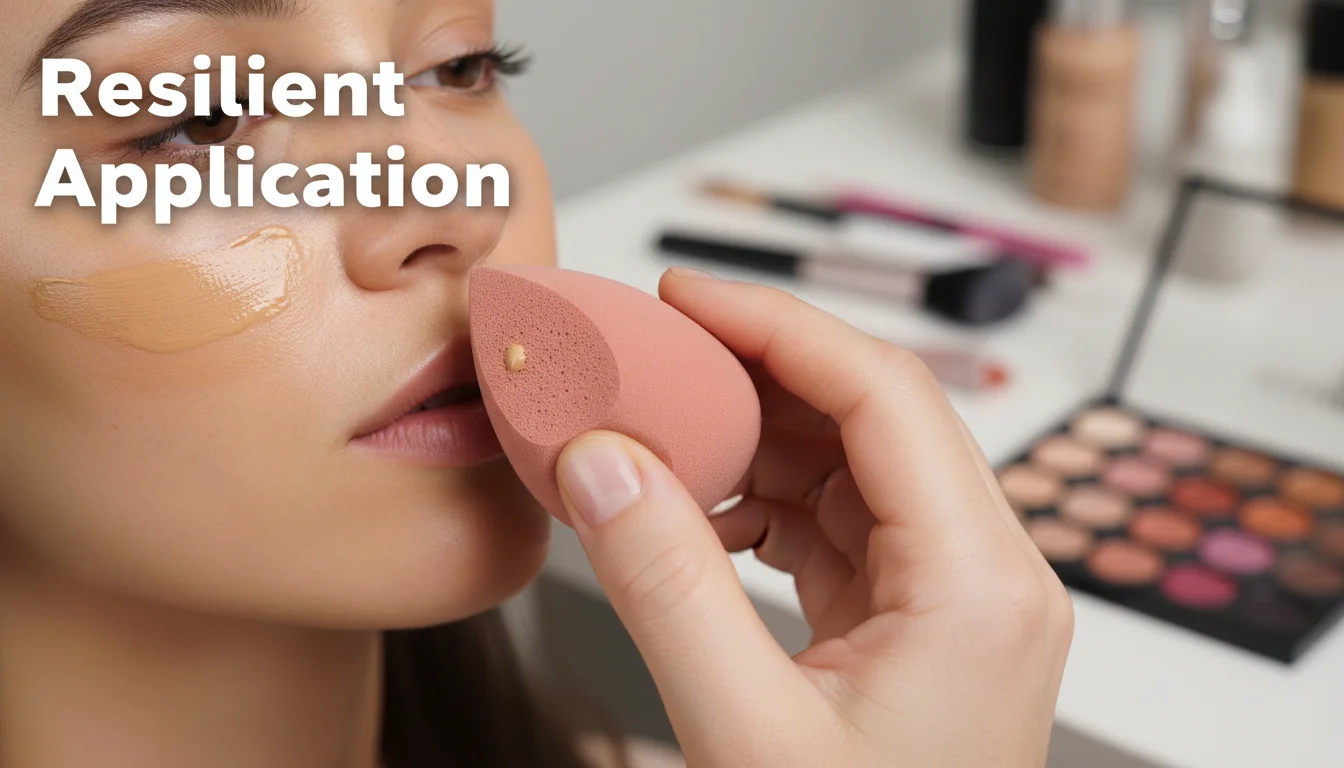
The manner in which we apply foundation is just as critical as the formula itself. One of the most common mistakes leading to the need for touch-ups is the application of too much product. A heavy layer of foundation is inherently unstable; it moves more easily and is prone to creasing. We advocate for the "thin-to-thick" principle, where we start with a very sheer layer and only build coverage where it is strictly necessary, such as over blemishes or areas of redness.
Using a damp microfiber sponge or a high-density buffing brush allows for the product to be pressed into the skin rather than sitting on top of it. This stippling motion forces the pigment to interlock with the primer and the skin's natural texture, creating a much stronger bond. We also recommend the "sandwich technique," which involves a light dusting of translucent powder before foundation for those with exceptionally oily skin. This creates a dry, grippy surface that prevents the foundation from sliding.
Furthermore, we must consider the oxidization process. Some foundations change color when they react with the skin's natural oils and the air. To combat this and keep the color looking fresh, we suggest choosing formulas that are specifically labeled as transfer-resistant and non-oxidizing. Allowing each layer of makeup—from primer to concealer—to "set" for 60 seconds before applying the next layer is a professional secret that significantly increases the structural integrity of the final look.
The Science of Setting: Powders and Baking Explained
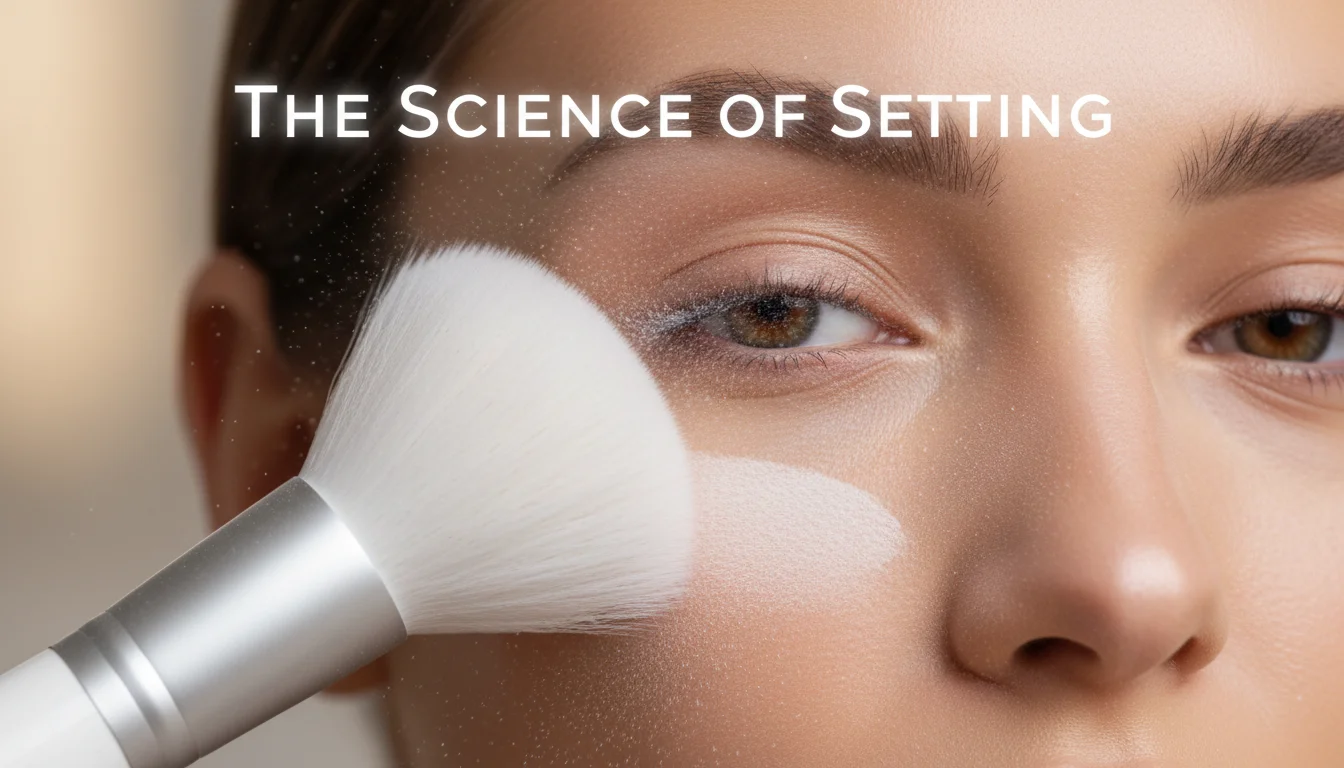
To ensure that liquid and cream products remain stationary, we must utilize the power of setting powders. The "setting" process is a chemical-physical interaction where the powder absorbs the oils and moisture in the foundation, effectively turning the liquid into a long-wearing solid state. However, the key to avoiding a "heavy" or "cakey" look is the precision of application.
We recommend using a finely milled translucent powder rather than a tinted one, as this prevents the makeup from looking overly thick or changing color throughout the day. For areas prone to movement, such as the under-eyes and the smile lines, the "baking" method can be highly effective. This involves applying a generous amount of powder to these areas, letting it sit for several minutes to allow the skin's warmth to "melt" the makeup and powder together, and then dusting off the excess.
For the rest of the face, a light-handed approach is best. Using a large, fluffy brush, we sweep a minimal amount of powder in a downward motion to lay down the vellus hairs on the face. This creates a smoother surface and prevents the powder from catching the light in a way that looks dry. By strategically locking in the "wet" products, we significantly reduce the likelihood of transfer and fading, which are the primary reasons people reach for touch-up kits.
The Final Shield: Utilizing High-Performance Setting Sprays

If primer is the anchor, then setting spray is the protective shield. A high-quality setting spray does more than just "mist" the face; it contains polymers that create a microscopic film over the makeup. This film acts as a barrier against environmental humidity, perspiration, and accidental touching. We believe that incorporating a setting spray is the single most effective way to eliminate the need for constant touch-ups.
There are two primary types of sprays we must distinguish: refreshing mists and fixing sprays. Refreshing mists are often water-based and contain humectants like glycerin to revive the look of the skin. While beneficial for hydration, they do not provide long-term "hold." For true longevity, we look for fixing sprays that contain acrylates copolymers. These ingredients literally "shrink-wrap" the makeup in place.
To maximize the effect, we suggest the "layering spray" method. Mist the face after the primer, again after the foundation, and one final time after all powders are applied. This creates multiple layers of protection within the makeup structure. When the final mist dries, it pulls all the layers together into a cohesive, smudge-proof finish that remains vibrant and fresh until you choose to remove it at the end of the day.
Lifestyle Adjustments to Preserve Your Makeup Integrity
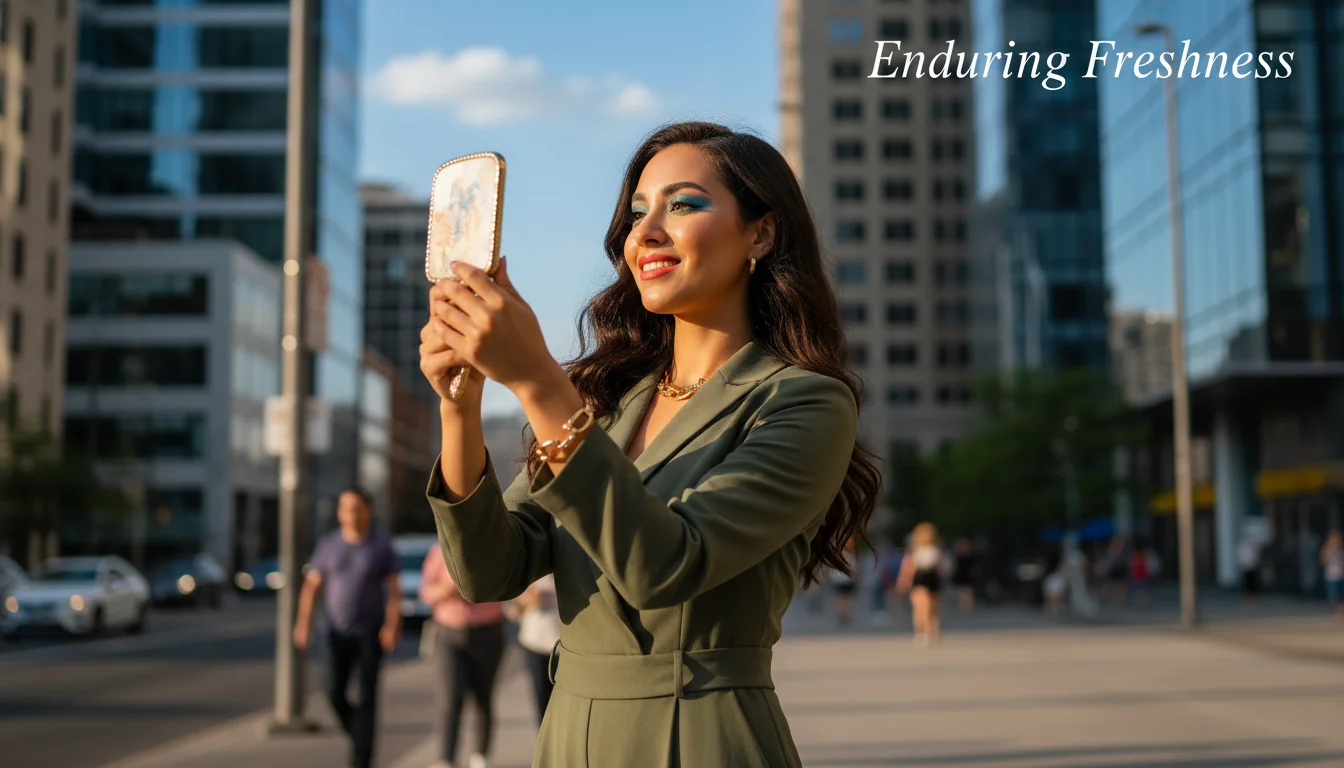
Beyond the products and techniques, certain behavioral habits play a massive role in how well makeup lasts. We often underestimate how much our own actions contribute to the degradation of our look. For instance, the habit of resting one’s chin in their hands or touching the face throughout the day introduces bacteria and oils while physically rubbing away the product. We emphasize the "hands-off" rule as a fundamental pillar of makeup preservation.
Additionally, environmental awareness is key. If we know we will be in a high-humidity environment or under hot studio lights, we must adjust our expectations and perhaps opt for waterproof or water-resistant formulations. Even the way we use our phones can affect our makeup; using earbuds or a "hands-free" mode prevents the phone screen from stripping foundation off the cheek.
Finally, the use of blotting linens is a superior alternative to reapplying powder when a small amount of shine does emerge. Reapplying powder over old oil creates a thick, "muddy" texture that looks aged. By using a linen or rice paper blotter, we can gently lift the excess oil without disturbing the pigment underneath. This maintains the integrity of the original application, ensuring the skin looks like skin, rather than a mask of accumulated layers.
In conclusion, keeping makeup looking fresh without constant touch-ups is an achievable goal through the combination of meticulous skin preparation, strategic layering, and the use of advanced sealing technologies. By treating the application process as a structured build—rather than a quick fix—we empower ourselves to move through the day with confidence, knowing that our aesthetic remains as sharp and polished as it was the moment we stepped out of the door. Embracing these professional standards will not only save time but will also ensure that your skin remains healthy and your makeup remains impermeable to the demands of a busy life.