5 Subtle Signs Your Shampoo Is Damaging Your Hair (And What to Use Instead)
The quest for lustrous, healthy hair often begins and ends with the products we use in the shower. However, many of us remain blissfully unaware that the very products marketed as cleansing agents might be the primary architects of our hair’s demise. While we expect a shampoo to remove excess oil and environmental pollutants, many commercial formulations utilize harsh surfactants and synthetic additives that compromise the structural integrity of the hair shaft and the delicate balance of the scalp’s microbiome.
We often overlook the subtle warnings our hair provides, attributing dullness or frizz to humidity or genetics rather than the chemical composition of our hair care regimen. Understanding the biochemistry of hair is essential to recognizing when a product has crossed the line from "cleansing" to "stripping." In this comprehensive guide, we examine the nuanced indicators of chemical damage and provide a roadmap toward restorative, nutrient-dense alternatives that promote long-term hair vitality.
Understanding the Chemistry of Hair Cleansing
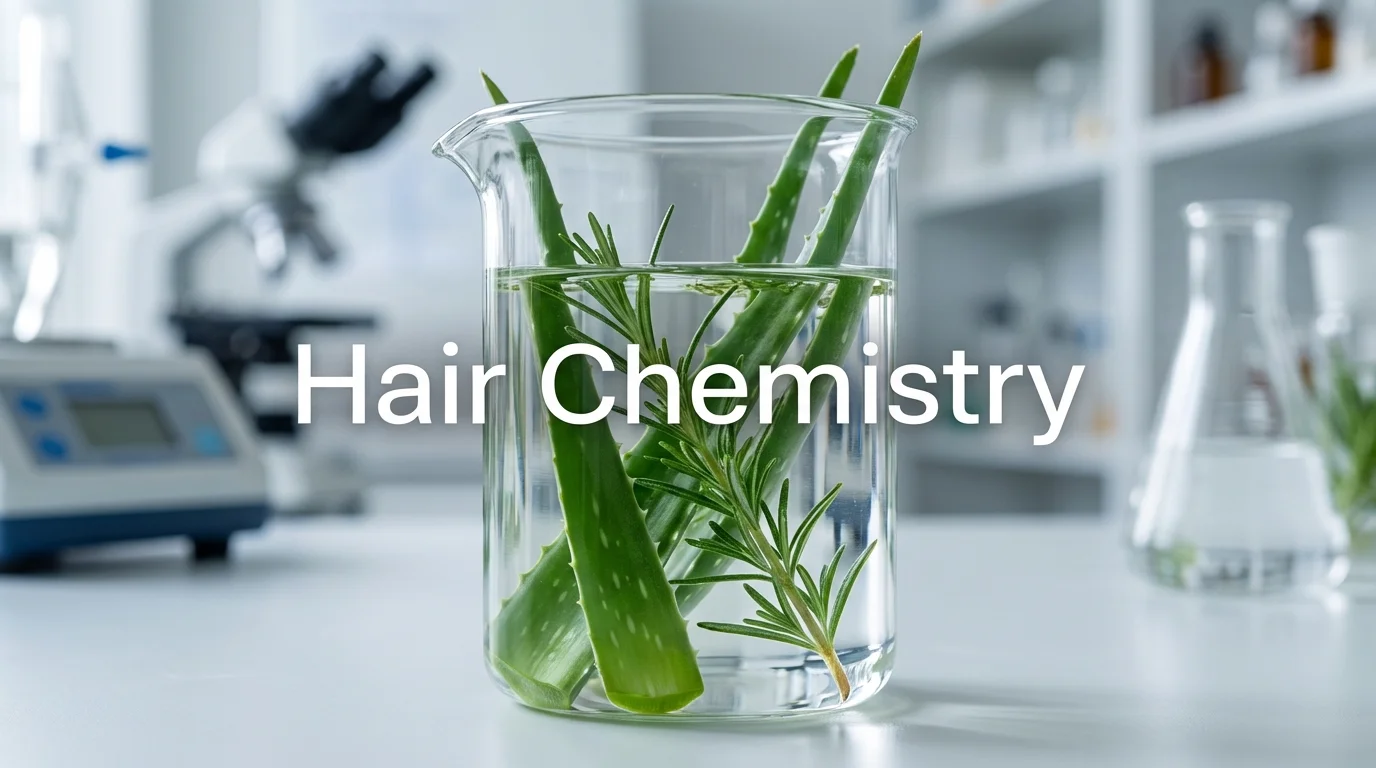
Scientific representation of hair care ingredients and botanical extracts.
Before identifying damage, we must understand how shampoo interacts with our anatomy. The scalp produces sebum, a natural oil that protects the hair and skin. Traditional shampoos utilize surfactants—molecules that possess both hydrophilic (water-loving) and lipophilic (oil-loving) properties. These molecules attach to dirt and oil, allowing them to be rinsed away.
The problem arises when these surfactants are too aggressive. Most commercial shampoos rely on Sodium Lauryl Sulfate (SLS) or Sodium Laureth Sulfate (SLES). These chemicals are exceptionally efficient at removing oil, but they often remove too much, stripping the acid mantle and leaving the hair cuticle exposed and vulnerable. When the cuticle—the outermost protective layer of the hair—is raised or damaged, the internal moisture of the hair evaporates, leading to a host of structural issues. We must recognize that effective cleansing should never come at the expense of the lipid barrier.
Sign 1: Persistent Dryness and Lack of Lustre
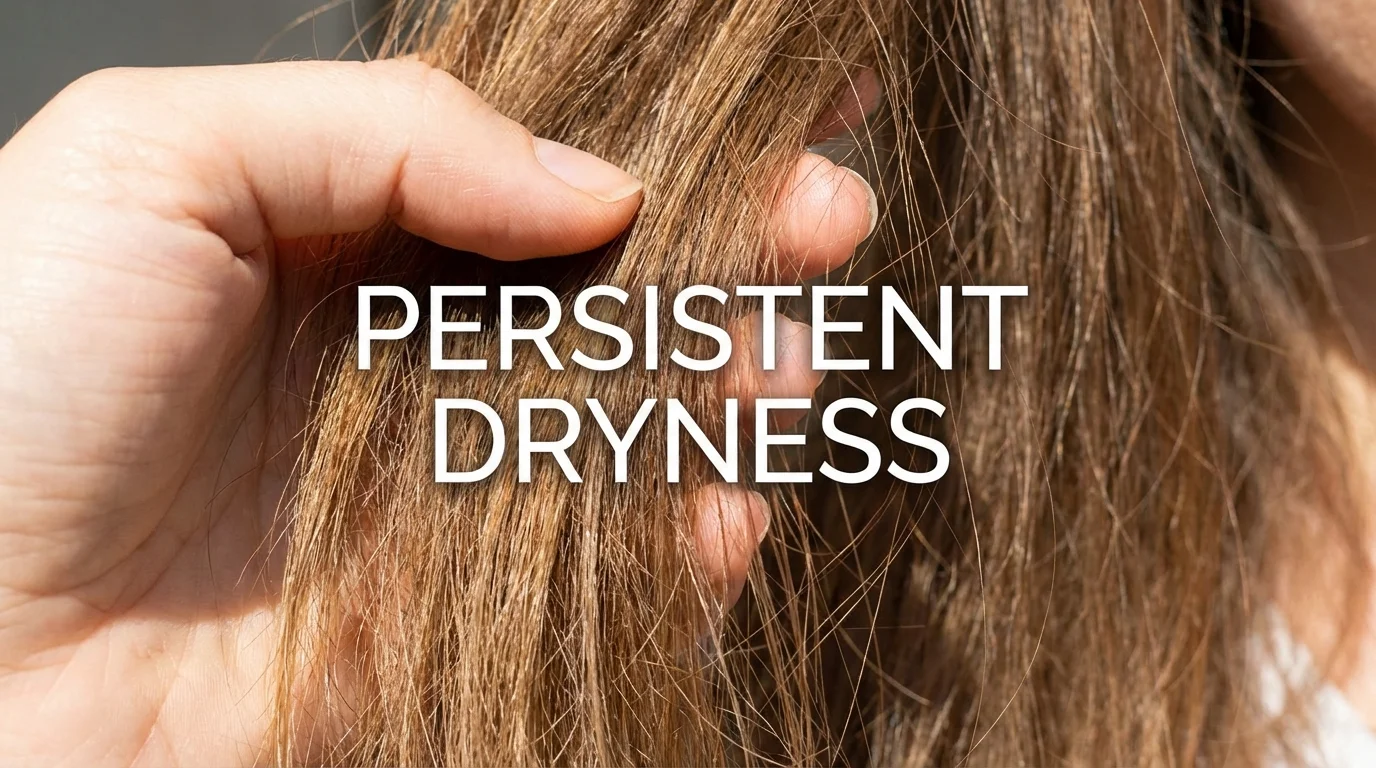
Close-up of dry, dull hair lacking natural shine and moisture.
One of the most immediate yet frequently ignored signs of shampoo damage is chronic dryness that persists even after using a heavy conditioner. If your hair feels "squeaky clean" immediately after rinsing, it is likely a sign that your shampoo is too alkaline. Healthy hair has a pH balance of approximately 4.5 to 5.5. Many mass-market shampoos have a significantly higher pH, which causes the hair shaft to swell and the cuticle scales to stand up.
When the cuticle is disrupted, light can no longer reflect off the hair surface evenly, resulting in a dull, matte appearance. If you find that your hair lacks its natural "glow" and feels like straw despite your best efforts to hydrate it, your shampoo is likely the culprit. We recommend looking for pH-balanced formulations that utilize gentle, plant-derived cleansers rather than industrial-strength detergents.
Sign 2: Increased Hair Shedding and Breakage
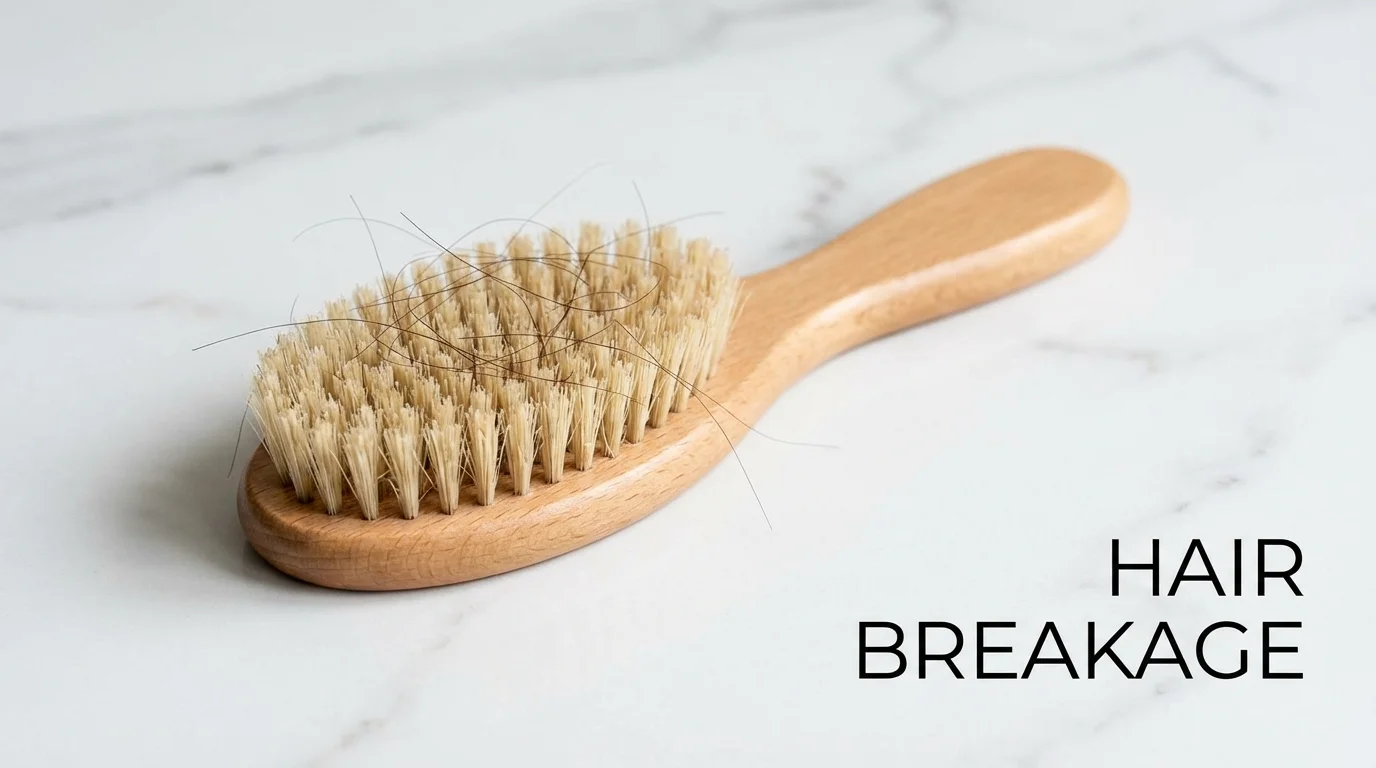
Hair strands caught in a brush indicating breakage and shedding.
While it is normal to lose between 50 and 100 hairs per day, an increase in fragility and breakage is a clear indicator of protein degradation. Harsh shampoos can weaken the keratin bonds within the hair cortex. When the hair is stripped of its natural elasticity, it becomes brittle. You may notice "short hairs" near the crown or split ends that seem to climb higher up the hair shaft shortly after a trim.
This type of damage is often cumulative. The repeated use of sulfate-heavy products creates micro-fissures in the hair fiber. Over time, these fissures expand, leading to snapping during routine brushing or styling. If your ponytail feels thinner than it did six months ago, or if you see an unusual amount of hair in the shower drain, it is time to evaluate your cleansing routine. We advocate for shampoos enriched with amino acids and hydrolyzed proteins to reinforce the hair's internal structure.
Sign 3: Unexplained Scalp Sensitivity and Irritation
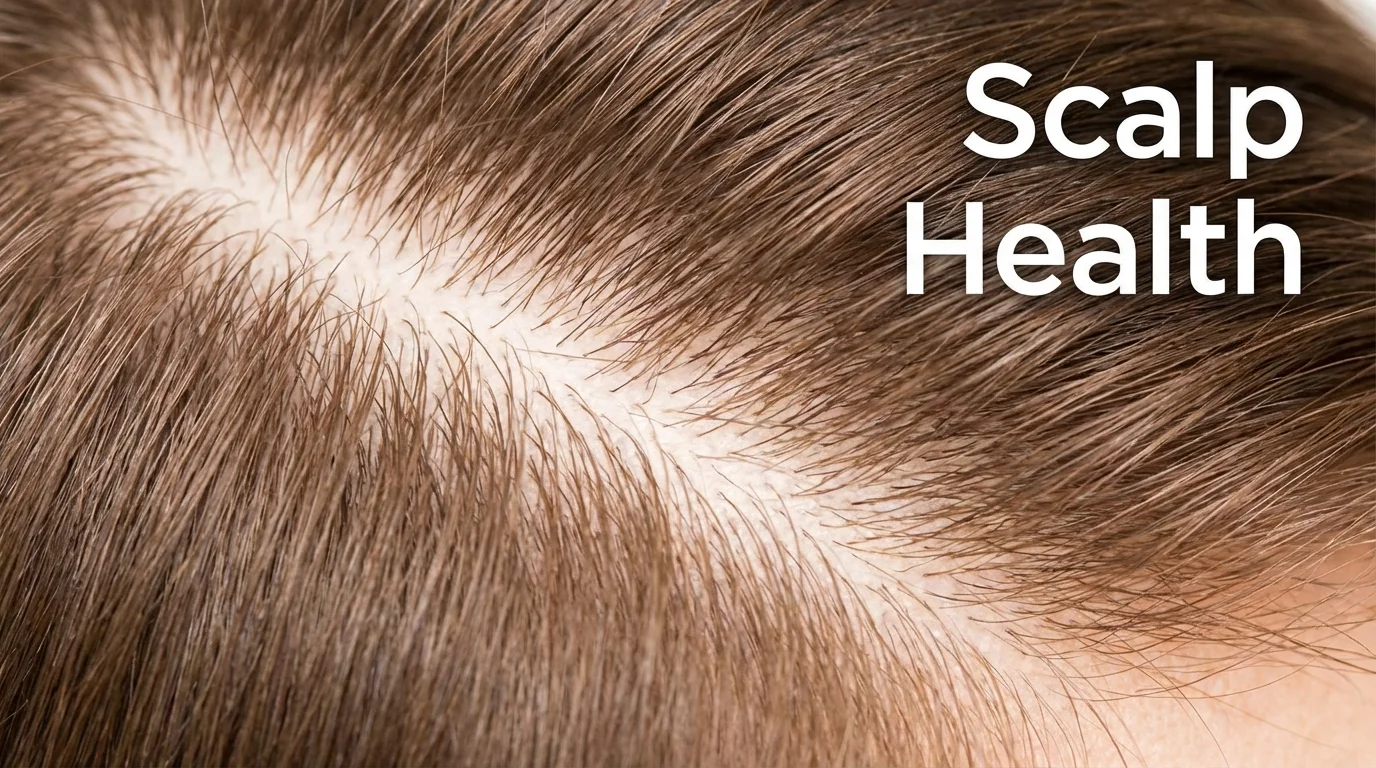
Macro view of a clean and healthy scalp without irritation.
The health of your hair is inextricably linked to the health of your scalp. A common side effect of damaging shampoos is a disrupted scalp barrier, leading to itchiness, redness, or flaky patches. Many users mistake this dryness for dandruff and respond by using even harsher anti-dandruff shampoos, creating a destructive cycle.
Synthetic fragrances and preservatives like methylisothiazolinone—often found in budget hair care—are known contact allergens. These chemicals can cause contact dermatitis or low-grade inflammation that stifles hair follicles. A healthy scalp should be hydrated and free of sensation. If you experience a "tight" feeling or burning after washing, your shampoo is likely compromising your epidermal integrity. Transitioning to fragrance-free or essential-oil-based cleansers can provide immediate relief.
Sign 4: Rapid Color Fading and Loss of Vibrancy
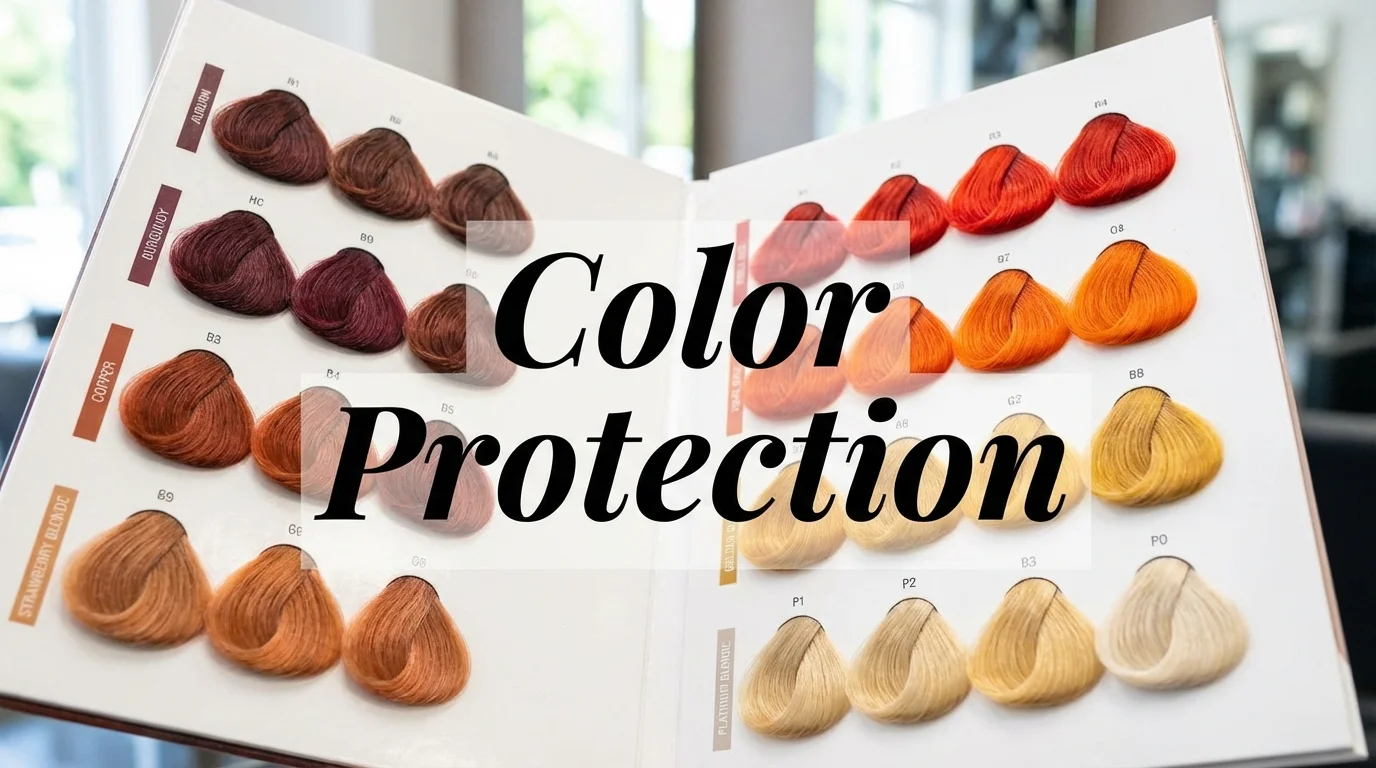
Comparison of vibrant hair color versus faded hair color.
For those who invest in professional hair coloring, the choice of shampoo is the difference between a long-lasting hue and a rapidly fading investment. Sulfates are the primary enemy of color-treated hair. Because they are so effective at opening the hair cuticle, they allow large color molecules to escape the hair shaft during every wash.
Beyond just the "stripping" of pigment, the oxidative stress caused by certain harsh chemicals can cause blonde hair to turn brassy and dark tones to lose their richness. If you notice that your expensive salon color looks "washed out" within two weeks, your shampoo is the likely thief. We suggest utilizing sulfate-free, antioxidant-rich cleansers that contain UV filters to protect the hair from both chemical and environmental oxidation.
Sign 5: Chronic Frizz and Cuticle Roughness
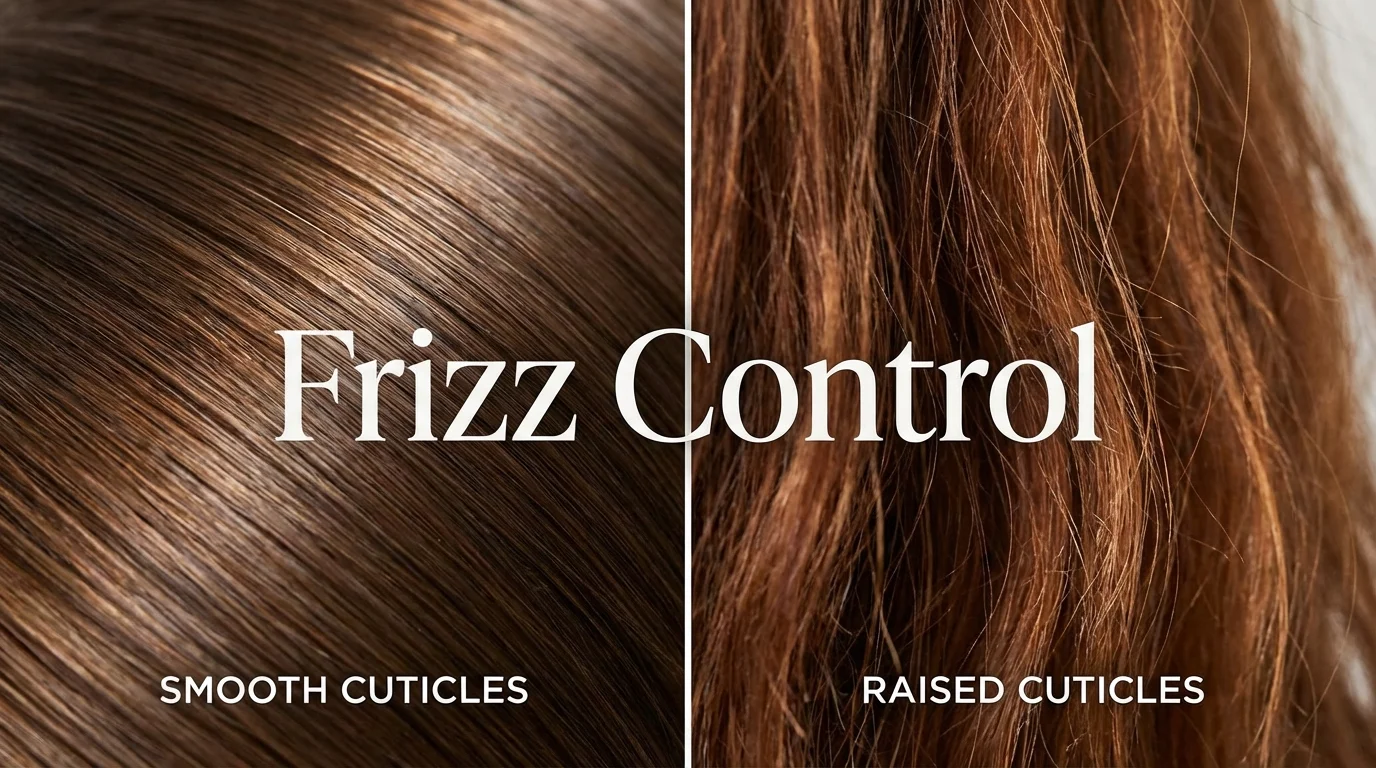
Detailed view of hair texture illustrating frizz and cuticle roughness.
Frizz is often a cry for help from dehydrated hair. When the shampoo strips away the protective lipid layer, the hair becomes porous. In an attempt to hydrate itself, the hair absorbs moisture from the atmosphere, causing the shaft to swell and resulting in what we recognize as frizz.
Many people attempt to mask this with silicone-heavy conditioners, which provide a temporary "slip" but ultimately lead to product buildup. This buildup further prevents real moisture from entering the hair, leading to a cycle of chronic dryness and unmanageability. If your hair feels rough to the touch—similar to the texture of a wool sweater—rather than smooth and silky, the cuticle is likely "blown out" by aggressive surfactants. We recommend switching to emollient-based cleansers that use natural oils like Jojoba or Argan to smooth the cuticle naturally.
Harmful Ingredients to Avoid in Commercial Shampoos
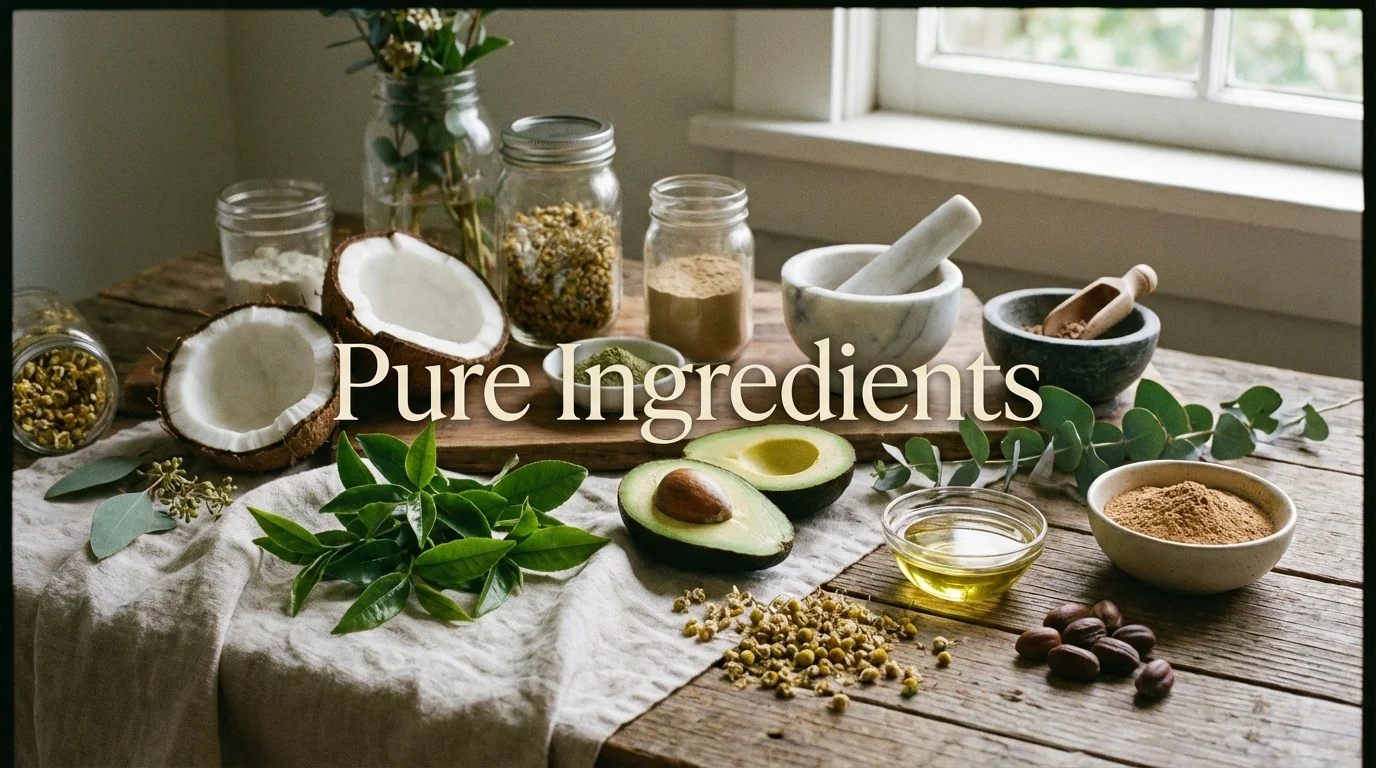
Natural and botanical ingredients used in high-end hair care.
To protect your hair, you must become a discerning reader of ingredient labels. We believe that informed consumers make the best choices for their long-term beauty. Avoid products that list the following high on their ingredient deck:
Sodium Lauryl Sulfate (SLS) & Sodium Laureth Sulfate (SLES): These are industrial surfactants that provide the "big bubbles" we associate with cleaning but are far too aggressive for human hair.
Parabens (Methyl, Propyl, Butyl): Used as preservatives, these have been linked to endocrine disruption and can cause scalp sensitivity.
Silicones (specifically non-water-soluble types like Dimethicone): While they make hair feel soft initially, they coat the hair in a plastic-like film that prevents moisture from penetrating the hair shaft, leading to internal dehydration.
Sodium Chloride: Often used as a thickener, it is essentially salt. It can be extremely drying to the scalp and hair, especially for those with keratin treatments.
Synthetic Fragrances (Parfum): These often contain phthalates and are the leading cause of scalp irritation and allergic reactions.
Transitioning to Healthier Alternatives for Hair Restoration
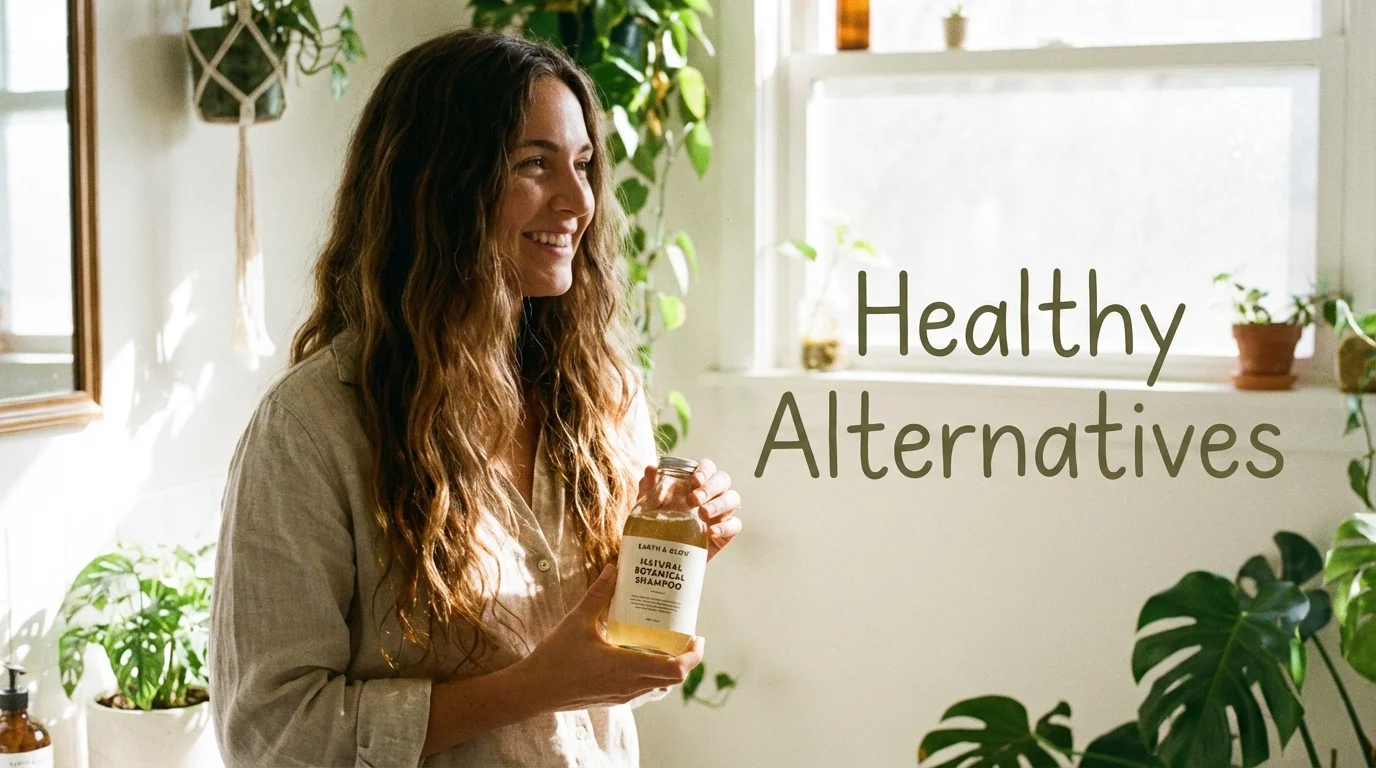
A woman using eco-friendly and natural hair care products.
Replacing a damaging shampoo is not merely about finding a new brand; it is about shifting your philosophy of hair hygiene. We recommend looking for "low-poo" or "no-poo" alternatives that prioritize nourishing the hair rather than just degreasing it.
Sulfate-free cleansers utilize gentler alternatives such as Decyl Glucoside, Coco-Glucoside, or Sodium Cocoyl Isethionate. These ingredients are derived from coconut or sugar and effectively remove excess sebum without disturbing the hair’s natural moisture balance. Additionally, look for formulations that include humectants like glycerin and aloe vera, which draw moisture into the hair, and emollients like Shea butter or sea buckthorn oil to seal that moisture in.
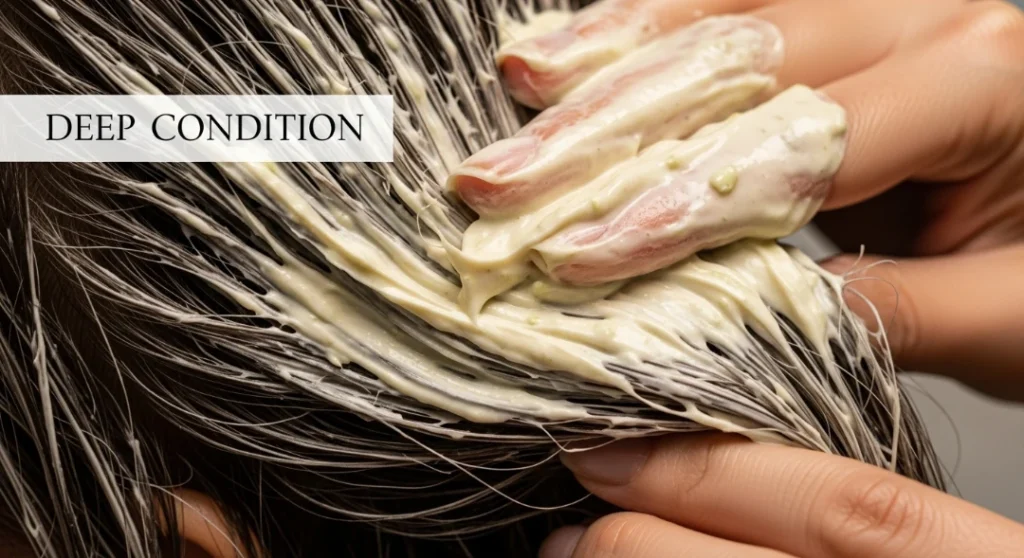
For those with extremely dry or curly hair, cleansing conditioners (co-washes) are an excellent alternative. These products contain high levels of conditioning agents and very low levels of gentle surfactants, allowing you to refresh the hair without stripping it of the essential oils required for curl definition and shine.
Establishing a Holistic Hair Care Regimen
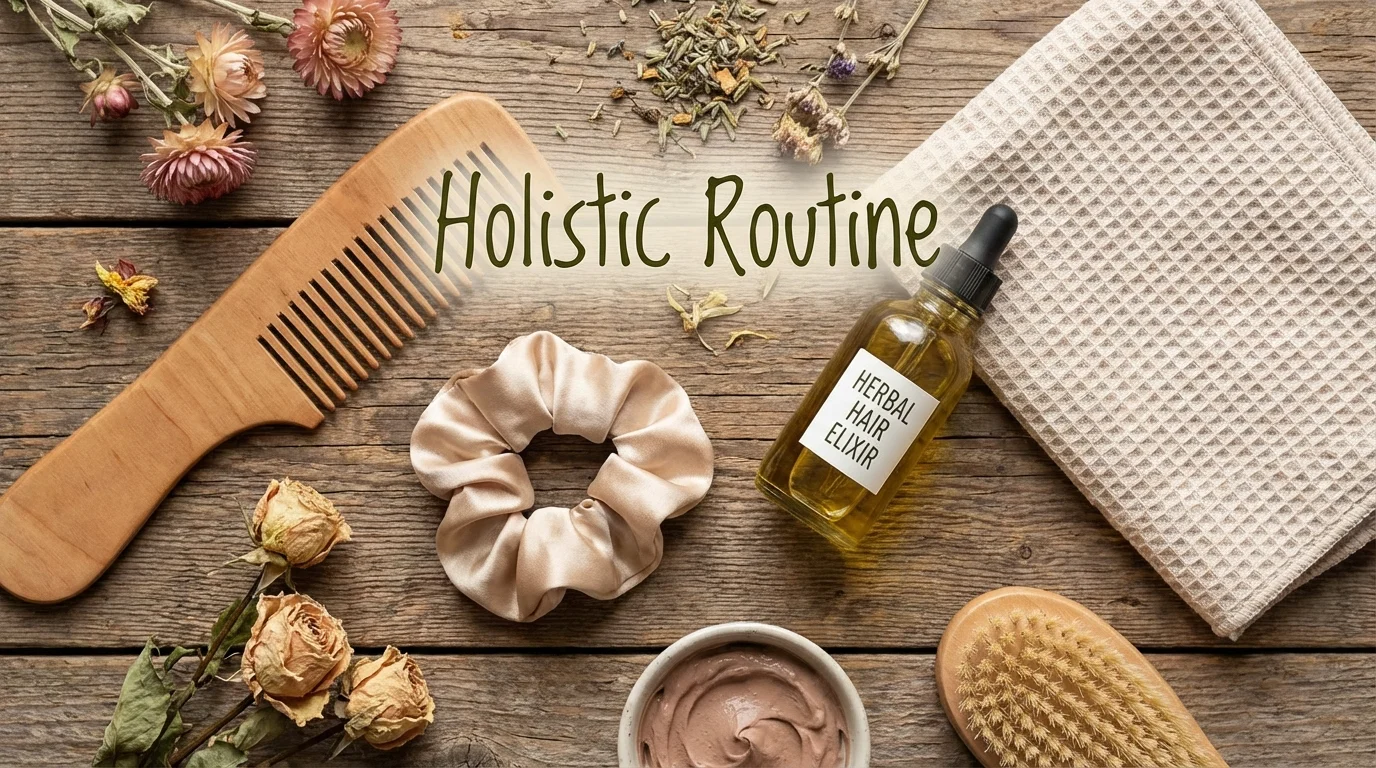
A complete holistic hair care routine with natural tools and products.
A superior shampoo is only one component of optimal hair health. To truly reverse the signs of damage, we must adopt a holistic approach. This includes:
Water Temperature: Wash your hair with lukewarm water. Hot water further opens the cuticle and can cause significant moisture loss. A final rinse with cool water helps to "seal" the cuticle, enhancing shine.
Frequency of Washing: Most hair types do not require daily washing. Over-washing, even with gentle products, can lead to compensatory seborrhea (where the scalp overproduces oil because it feels dry). Aim for 2-3 times per week.
Pre-Shampoo Treatments: Applying a small amount of pre-shampoo oil (like coconut or almond oil) to the lengths of your hair can protect the cuticle from the mechanical stress of washing.
Mechanical Protection: Use a microfiber towel or an old cotton T-shirt to blot—never rub—your hair dry. This reduces the friction that leads to breakage and frizz.
Conclusion: Investing in Your Hair’s Longevity
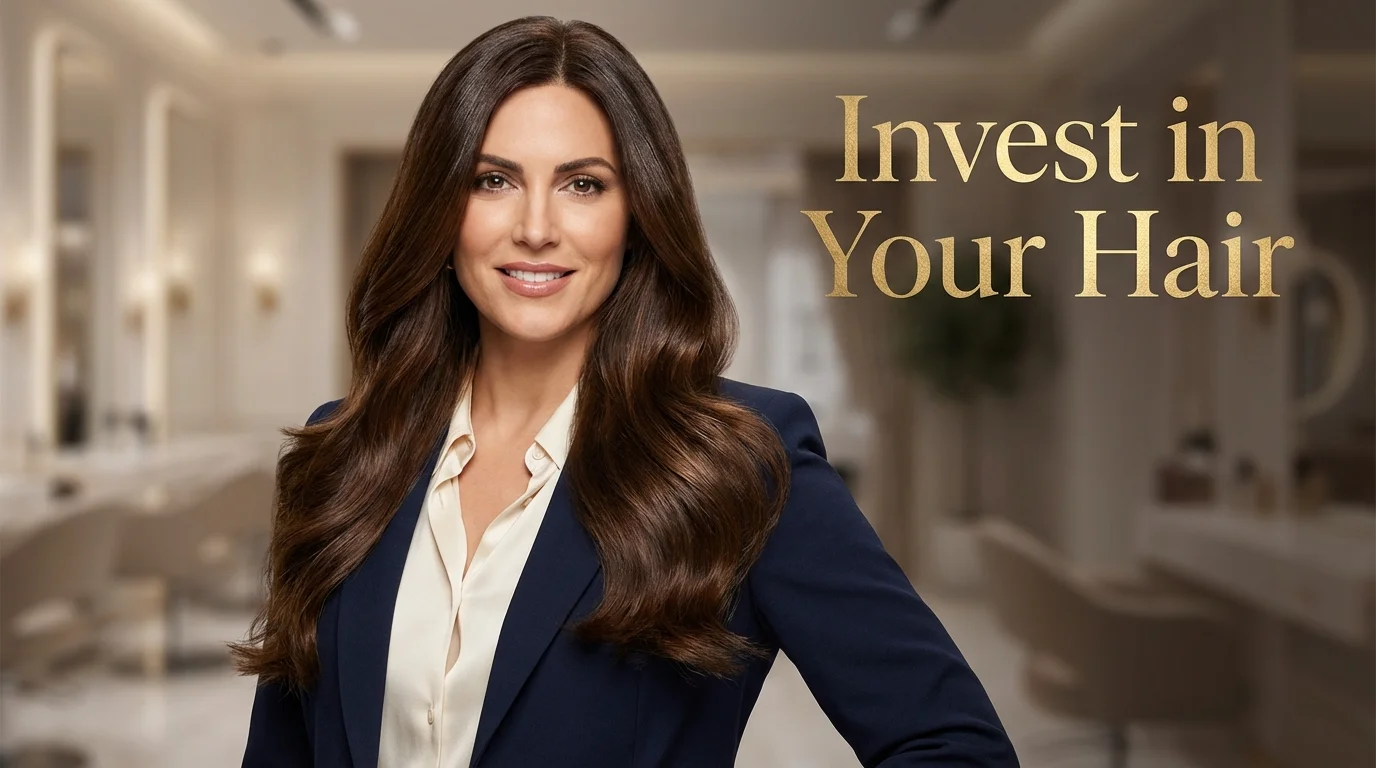
Portrait of a woman with healthy, glowing hair after a proper hair care routine.
Your hair is a reflection of your internal health and your external habits. While the convenience of mass-market shampoos is undeniable, the long-term consequences of using harsh chemical formulations are detrimental to your hair’s beauty and structural integrity. By recognizing the subtle signs of damage—from persistent dryness to increased breakage—you can take the necessary steps to pivot toward a more nurturing hair care philosophy.
We encourage you to view your hair care products as an investment in your self-image. Choosing high-quality, botanical-based cleansers may require a higher initial cost, but the dividends paid in vibrancy, strength, and manageability are well worth the transition. Embrace the science of gentle cleansing, and allow your hair to return to its most natural, radiant state. The path to luxurious hair is not through aggressive stripping, but through thoughtful, nutrient-rich restoration.