Beyond the Manicure: 5 Daily Habits That Naturally Strengthen Brittle Nails
While many individuals view nail care through the lens of aesthetic enhancement, we must recognize that the integrity of the nail plate is a direct reflection of our internal physiological state and daily environmental interactions. Brittle nails, clinically referred to as onychoschizia, are often characterized by peeling, splitting, and a general lack of resilience. While a professional manicure offers a temporary solution to conceal these imperfections, true restoration requires a shift toward holistic, sustainable practices. We believe that by understanding the biological requirements of the keratin structure, one can transform weak, fragile nails into a picture of health and vitality.
The journey toward stronger nails is not found in a bottle of quick-dry top coat; rather, it is embedded in the subtle, repetitive actions we perform every day. These habits address the root causes of fragility—ranging from systemic dehydration to chemical exposure—ensuring that the new nail growth emerging from the matrix is robust and well-fortified. In this comprehensive guide, we will explore five fundamental daily habits that serve as the cornerstone of natural nail reinforcement, allowing us to achieve professional-grade results through disciplined, mindful self-care.
1. Prioritizing Internal and External Hydration for Nail Elasticity
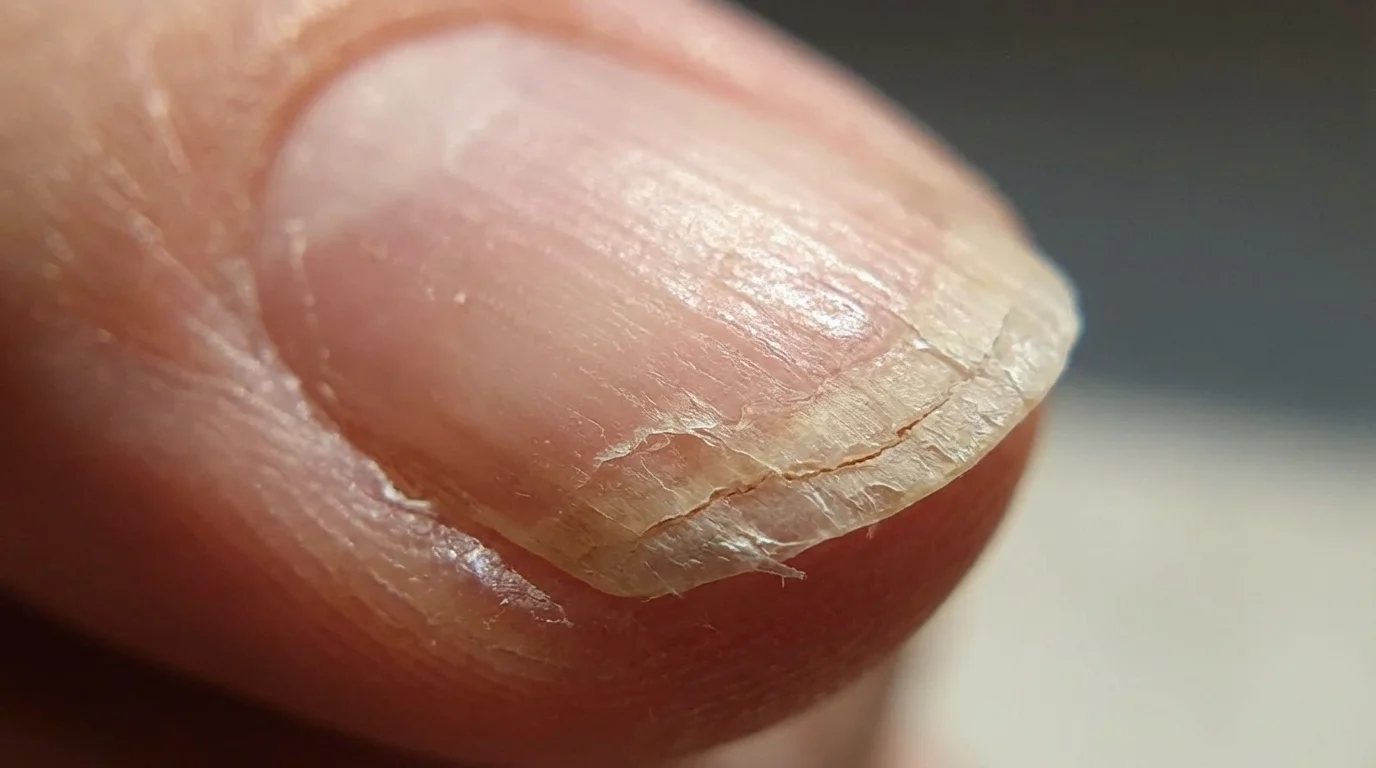
The primary component of our nails is a fibrous structural protein known as keratin. For these protein layers to remain flexible and resistant to snapping, they require a specific balance of moisture. When we allow our bodies to become dehydrated, the nail plate becomes excessively dry, leading to the vertical ridges and horizontal splitting often associated with brittleness. We must view internal hydration as the foundational "primer" for nail health. Consuming an adequate volume of water daily ensures that the nail bed, which provides the blood supply and nutrients to the growing nail, remains well-perfused and capable of delivering essential moisture.
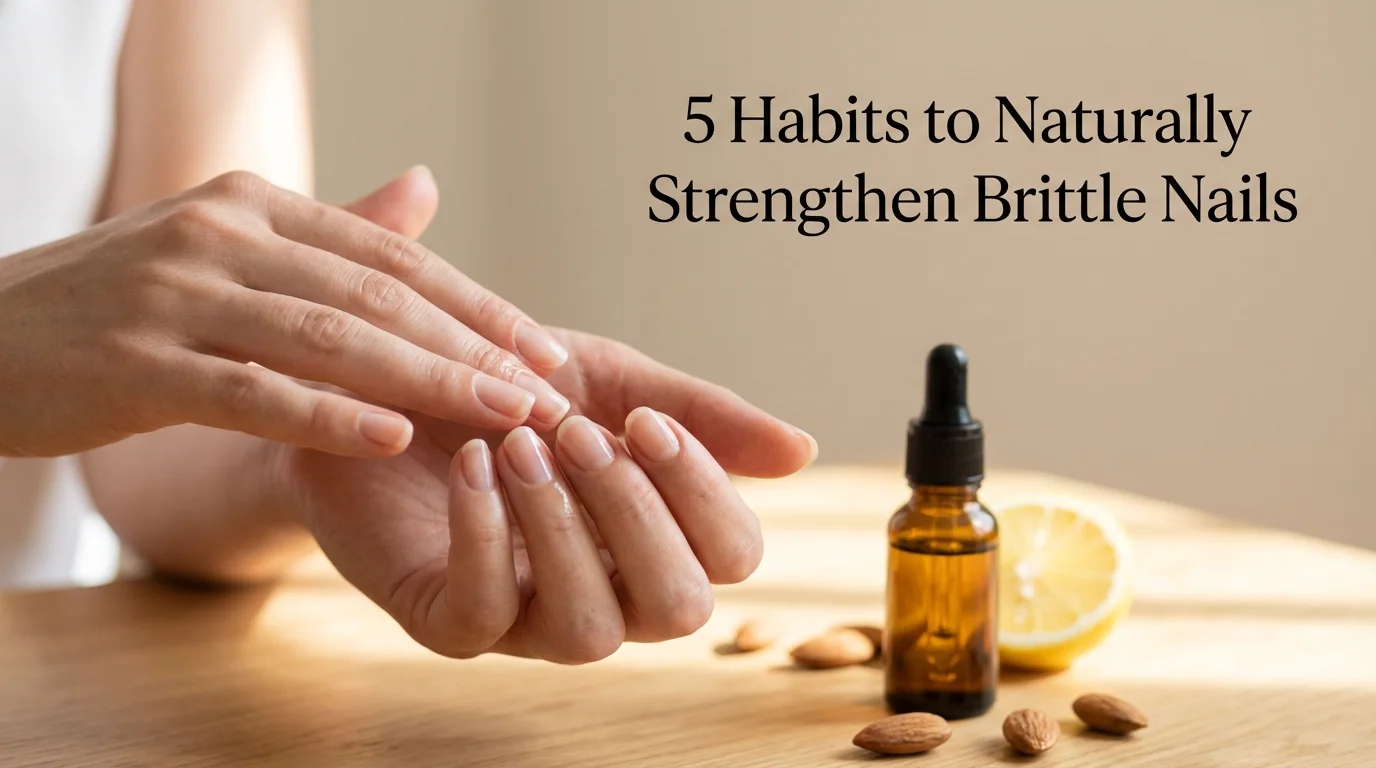
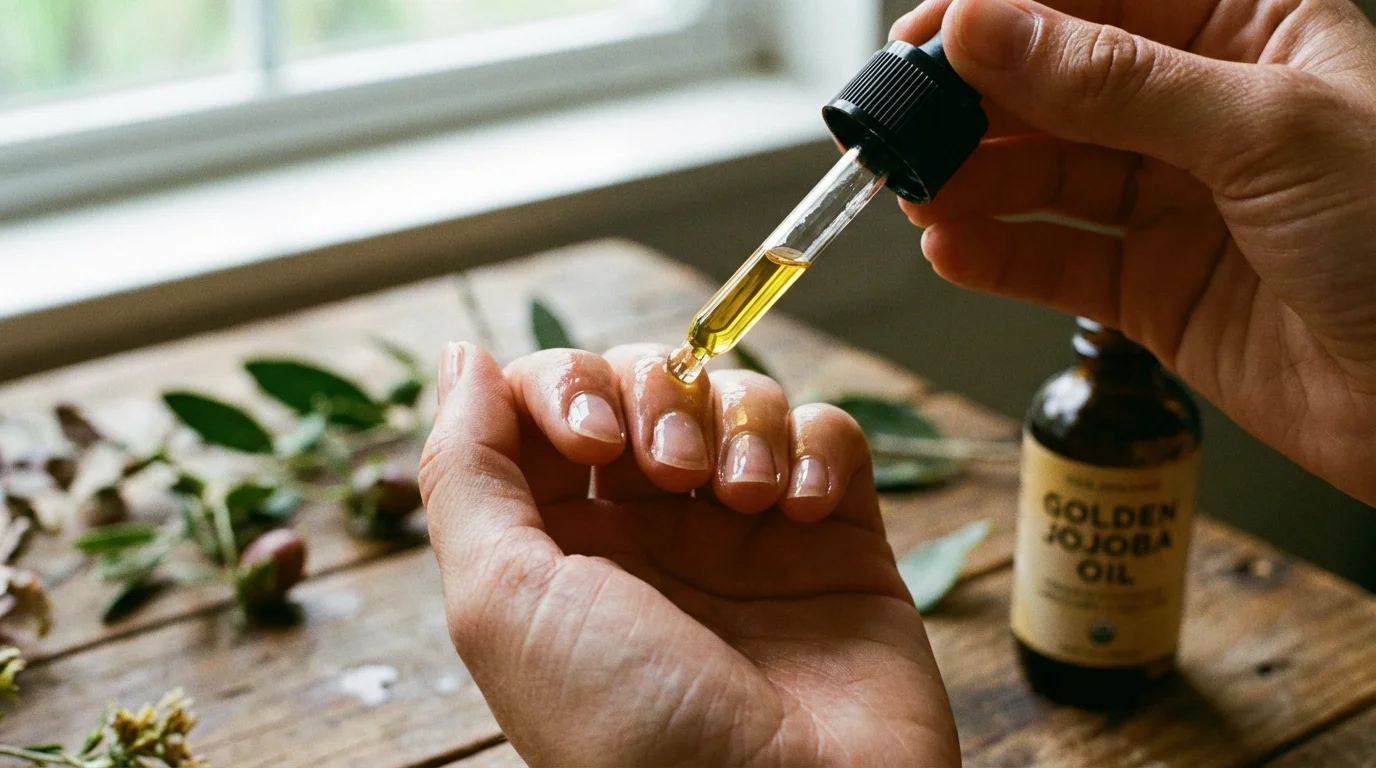
Furthermore, we cannot ignore the necessity of external hydration. The environment, particularly in climates with low humidity or during winter months, strips moisture from the skin and nails alike. We recommend the daily application of a high-quality cuticle oil or a nutrient-dense balm containing jojoba oil or vitamin E. These oils possess a molecular structure small enough to penetrate the nail plate and the surrounding skin, creating a lipid barrier that traps moisture within. By making it a habit to massage oil into the cuticles and the nail plate every evening before sleep, we facilitate deep repair during the body’s natural regenerative cycle. This dual approach to hydration ensures that the nails retain the elasticity required to withstand daily mechanical stress without fracturing.
2. Implementing Nutritional Foundations for Keratin Production
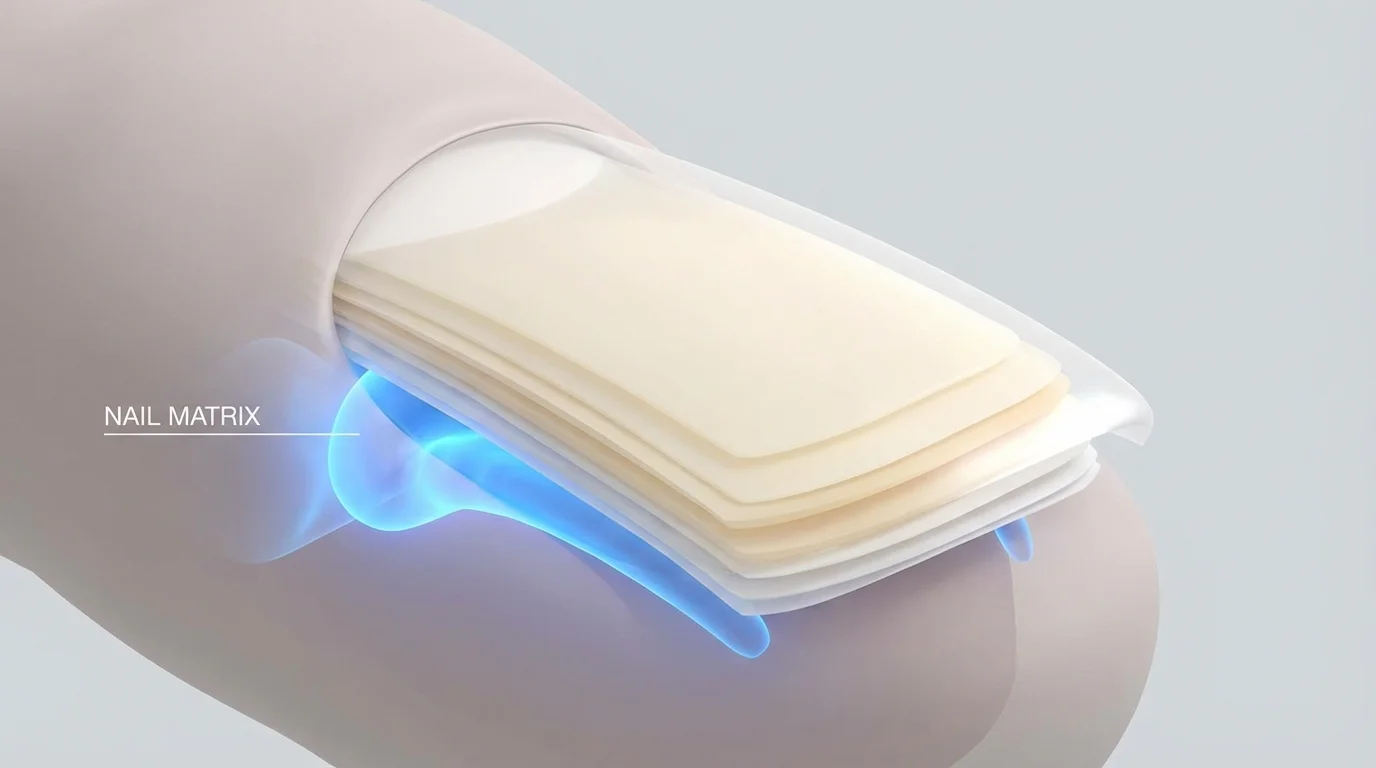
The health of the nail is largely determined before it even becomes visible above the cuticle. The nail matrix, located beneath the skin at the base of the nail, is a site of intense cellular division. To function optimally, this area requires a steady influx of specific vitamins, minerals, and amino acids. We have observed that a diet deficient in biotin (Vitamin B7), zinc, and iron is one of the most common precursors to brittle nails. Biotin, in particular, has been shown in clinical studies to increase nail thickness and reduce the tendency of the nail plate to split.
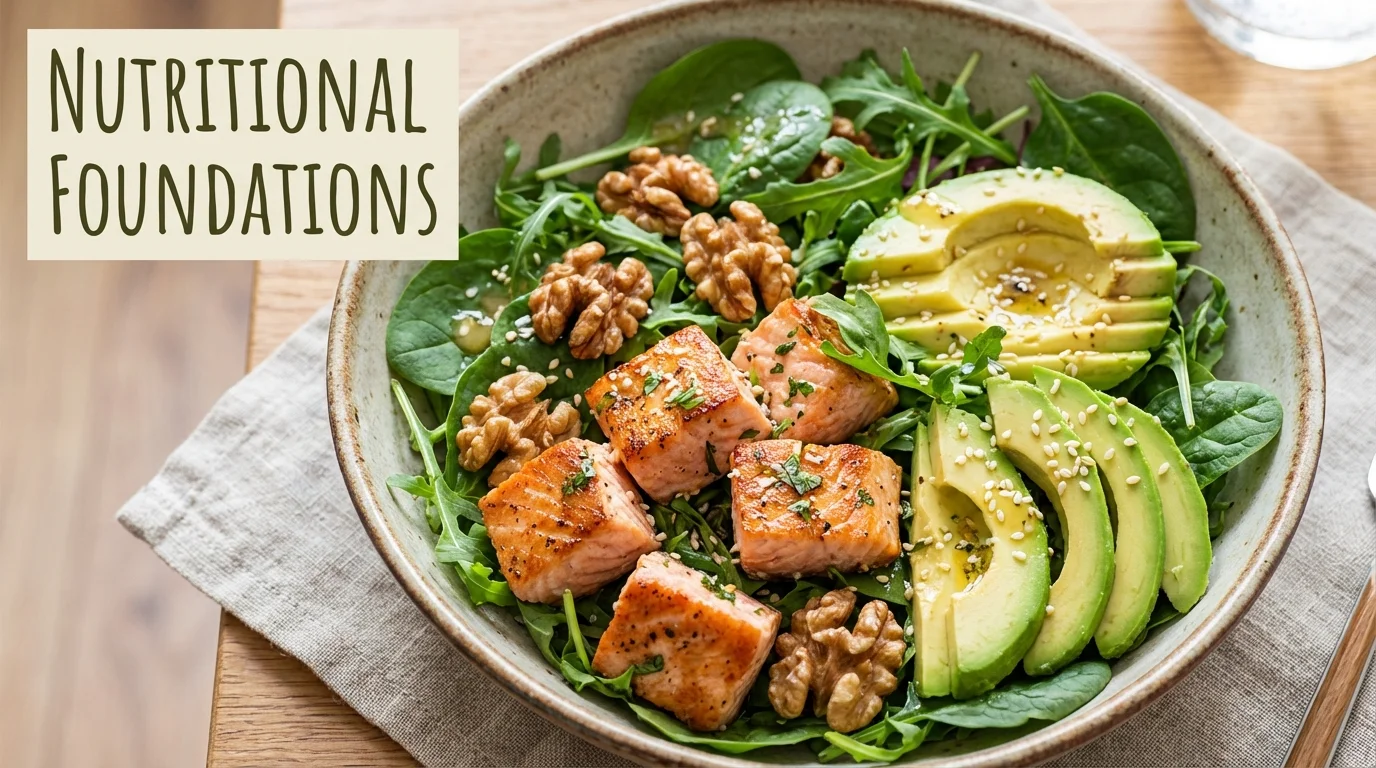
To naturally strengthen our nails, we must prioritize foods that support collagen synthesis and keratin formation. Integrating lean proteins, such as wild-caught salmon or plant-based legumes, provides the sulfur-containing amino acids—specifically cysteine—that create the disulfide bonds responsible for nail hardness. Additionally, we should focus on omega-3 fatty acids, found in walnuts and flaxseeds, which help to lubricate the nail and give it a healthy, natural shine. By treating our daily meals as a biological blueprint for nail construction, we ensure that the body has the raw materials necessary to produce a resilient, high-quality nail plate that can endure the rigors of modern life.
3. Establishing a Protective Barrier Against Chemical Aggressors

One of the most overlooked causes of nail deterioration is the frequent exposure to harsh household chemicals and prolonged immersion in water. Water is a powerful solvent; when our nails are submerged, the keratin cells (onychocytes) absorb the water and swell. As they dry, they shrink. This repetitive expansion and contraction cycle weakens the cellular adhesion between the layers of the nail, eventually leading to peeling. When we combine this with the use of alkaline detergents or acidic cleaning agents, the natural oils of the nail are stripped away, leaving the structure vulnerable to external damage.
We advocate for the consistent use of protective gloves during all manual tasks, including dishwashing, gardening, and general house cleaning. This simple daily habit acts as a physical shield, preventing the disruption of the nail's acid mantle—a thin, slightly acidic film on the surface of the skin and nails that serves as a defense against bacteria and moisture loss. Furthermore, we must be cautious with the products we apply directly to our nails. Transitioning to acetone-free nail polish removers is a vital step in this protective strategy. Acetone is a potent solvent that, while effective at removing polish, significantly dehydrates the nail plate. By choosing gentler, soy-based or oil-enriched alternatives, we preserve the nail's structural integrity while still maintaining our grooming preferences.
4. Adopting Refined Grooming Techniques and Filing Habits
The manner in which we trim and shape our nails can either reinforce their strength or create microscopic fractures that lead to future breaks. Many individuals utilize traditional metal files or coarse emery boards, using a vigorous "back and forth" sawing motion. This technique is detrimental, as it causes the layers of the nail to fray at the free edge. To naturally strengthen brittle nails, we must adopt a more sophisticated approach to nail shaping. We highly recommend the use of a crystal or glass nail file. Unlike traditional files, glass files have a much finer, etched surface that seals the keratin layers together as you file, preventing future splitting.
Our daily or weekly grooming habit should involve filing in a single direction, moving from the corner of the nail toward the center. This preserves the alignment of the keratin fibers. Additionally, we must address the treatment of the cuticle. The cuticle is the nail’s natural seal, protecting the matrix from infection and environmental damage. We should never cut or aggressively trim the cuticles, as this creates an entry point for bacteria and can lead to inflammation that stunts nail growth. Instead, we suggest gently pushing them back with a soft cloth after a shower and applying a nourishing serum. By treating the anatomy of the nail with precision and care, we prevent the structural compromises that lead to brittleness.
5. Enhancing Blood Circulation and Oxygenation of the Nail Bed
The final, and perhaps most vital, daily habit involves the stimulation of blood flow to the extremities. The nails receive their oxygen and nutrients via a complex network of capillaries located in the nail bed. If circulation is poor, the delivery of these essential components is hindered, resulting in slow growth and thin, fragile nails. We can actively improve this process through daily hand massages. By spending just five minutes a day massaging the base of each nail with a circular motion, we stimulate the local vasculature, encouraging a more robust delivery of nutrient-rich blood to the matrix.
Beyond localized massage, we must consider our overall activity levels. Regular physical exercise increases cardiac output and improves systemic circulation, which benefits every part of the body, including the fingertips. Furthermore, we should be mindful of temperature-induced vasoconstriction; in cold weather, wearing gloves is essential not just for skin protection, but for maintaining the warmth necessary for healthy blood flow. We also suggest incorporating "finger yoga" or simple stretching exercises during breaks in our workday, especially for those who spend significant time typing. These movements prevent stagnation and ensure that our nails are constantly supported by the body's natural life-support systems.
Consistency: The Ultimate Catalyst for Change
In conclusion, the restoration of brittle nails is not a process that occurs overnight. Because the average fingernail grows at a rate of approximately 3 millimeters per month, it may take several months for the results of these improved habits to fully manifest as a completely new, stronger nail plate. We must approach these five habits—hydration, nutrition, protection, refined grooming, and circulation—with a commitment to consistency.
By moving beyond the superficiality of the manicure and embracing a lifestyle rooted in biological support, we provide our nails with the environment they need to thrive. We invite you to view your nail care routine as an essential component of your broader health regimen. When we nourish our bodies from within and protect our physical structures from without, we achieve a level of natural strength and beauty that no synthetic treatment can replicate. Let us commit to these daily rituals, transforming our brittle nails into a testament to our dedication to holistic well-being.