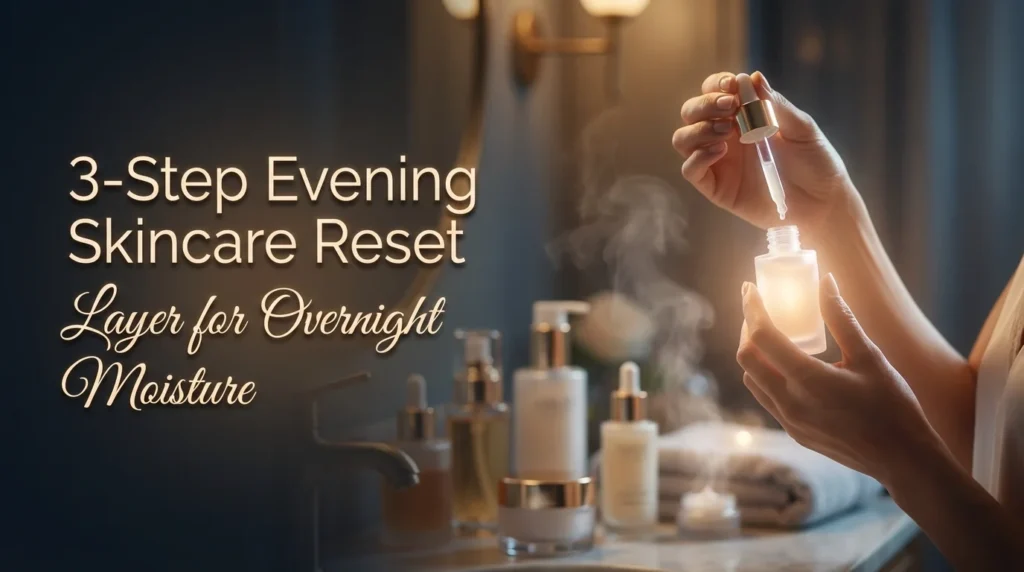
The 3-Step Evening Reset: How to Layer Your Skincare to Lock in Moisture Overnight
As the sun sets and we transition from the high-velocity demands of the day into a state of repose, our skin begins a sophisticated biological shift. While we sleep, our body enters a phase of restoration and repair, making the nocturnal hours the most critical window for topical intervention. However, many individuals find that despite applying expensive products, they wake up with skin that feels parched, tight, or dull. This discrepancy often stems not from the quality of the products, but from the method of application. We believe that mastering the 3-step evening reset is the definitive solution to preventing transepidermal water loss (TEWL) and ensuring your complexion remains hydrated, plump, and resilient.
In this comprehensive guide, we will explore the precise science of layering skincare to create an impermeable moisture seal. By understanding how to move from the thinnest to the thickest textures and selecting ingredients that mimic the skin’s natural lipid structure, we can transform an average routine into a professional-grade overnight treatment.
Understanding the Science of Overnight Skin Regeneration
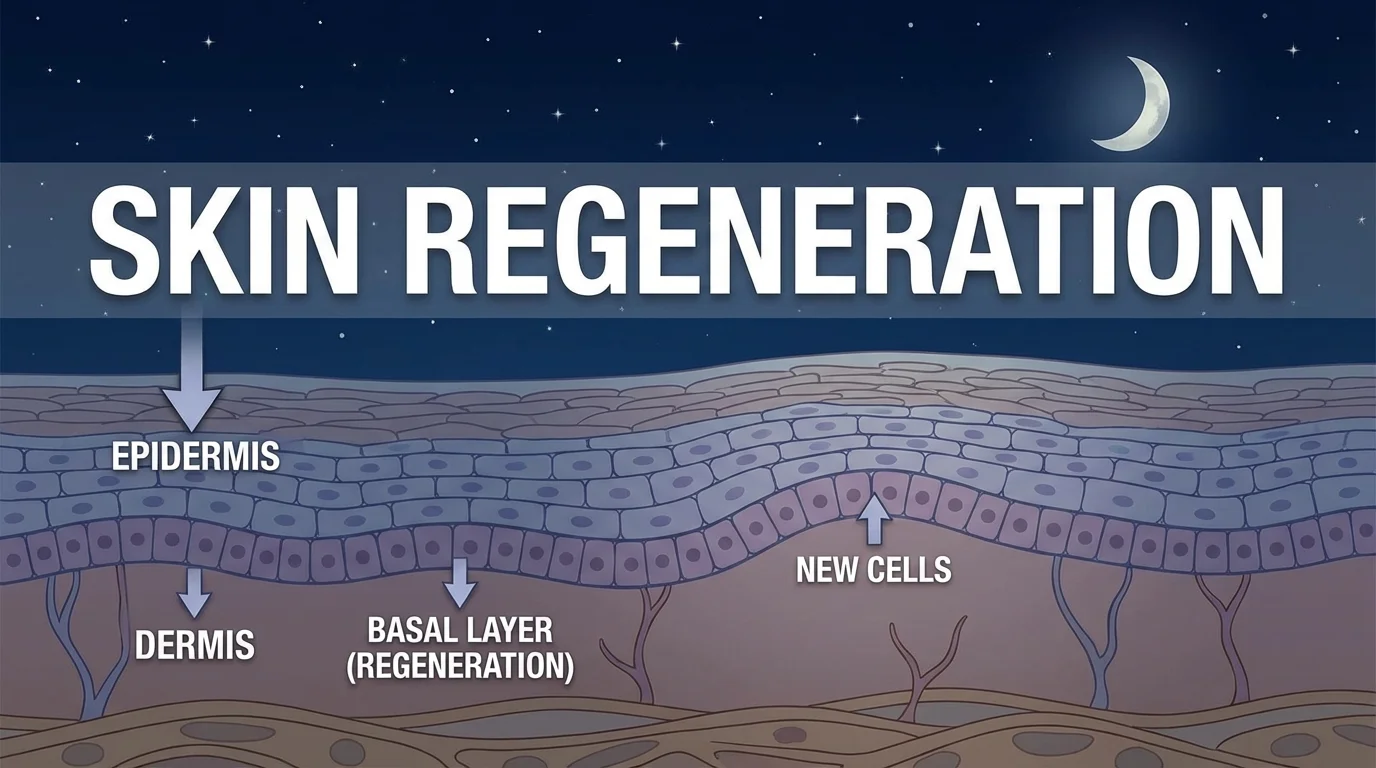
Before we dive into the methodology, we must address why the evening is so unique for dermatological care. During the day, our skin is in "defense mode," fighting off UV radiation, environmental pollutants, and oxidative stress. At night, the paradigm shifts to "recovery mode." Studies in circadian biology indicate that skin cell renewal doubles between the hours of 11:00 PM and 4:00 AM. During this time, blood flow to the skin increases, facilitating the delivery of nutrients and the removal of metabolic waste.
However, there is a catch: the skin’s permeability increases at night. While this makes it more receptive to active ingredients like retinoids and peptides, it also means that moisture escapes more easily into the atmosphere. This phenomenon, known as transepidermal water loss, is the primary culprit behind morning dryness. Our objective with the evening reset is to capitalize on this increased permeability while simultaneously building a temporary barrier to "lock in" the hydration we provide. By aligning our routine with the body's internal clock, we maximize the efficacy of every drop of product applied.
Step 1: The Foundation of Purifying and Preparing the Canvas
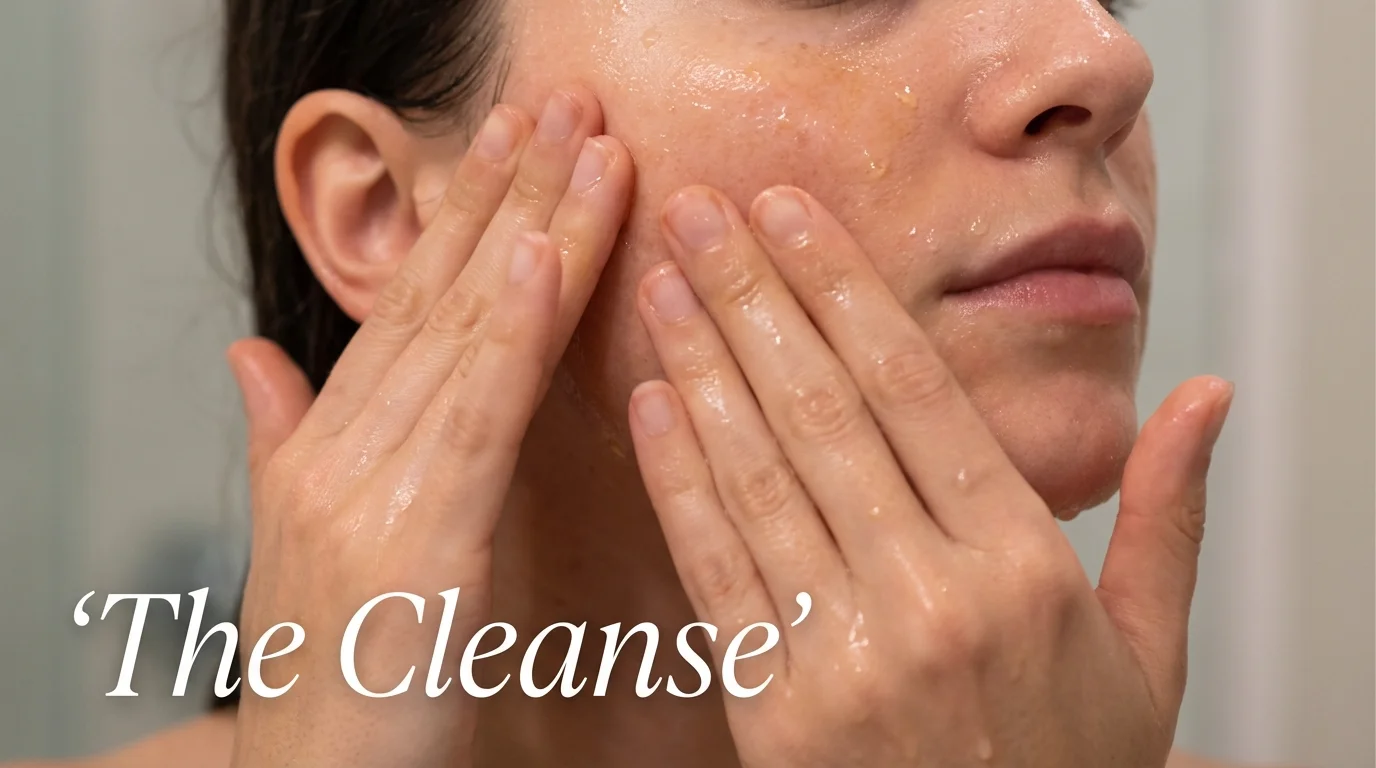
The efficacy of any moisture-locking routine is entirely dependent on the cleanliness of the surface. We cannot expect hydrating molecules to penetrate a layer of oxidized sebum, long-wear makeup, and microscopic particulate matter from the city air. Therefore, the first step of our reset is a meticulous double cleanse.
We recommend starting with a lipid-based cleanser, such as a cleansing balm or oil. According to the principle of "like dissolves like," these formulas effortlessly break down the oils found in waterproof sunscreens and cosmetics without stripping the acid mantle. Massaging an oil cleanser into dry skin for sixty seconds not only ensures debris removal but also stimulates lymphatic drainage, reducing puffiness before sleep.
The second half of this step involves a water-based cleanser. This ensures that any remaining residue is swept away, leaving the pores clear and the skin’s pH balanced. For an evening reset focused on moisture, we suggest a non-foaming, pH-balanced cream or gel cleanser infused with soothing botanicals or glycerin. Once the skin is clean, it should be left slightly damp. We never suggest drying the face completely with a towel; applying products to damp skin significantly enhances the absorption of humectants in the following steps.
Step 2: Strategic Hydration through Molecular Layering

Once the canvas is prepared, we move into the "active" phase of the reset. This step is about saturating the epidermis with water-binding molecules. The golden rule of layering is to apply products in order of molecular weight, starting with the thinnest, most watery textures and moving toward the more viscous.
We begin with an essence or hydrating toner. Unlike astringent toners of the past, modern essences are packed with humectants like fermented extracts and amino acids. These serve to "prime" the skin, making it more flexible and porous. Immediately following the essence, we apply a concentrated hyaluronic acid serum. Hyaluronic acid is a powerhouse ingredient capable of holding up to 1,000 times its weight in water. By applying it to damp skin, you provide the molecule with a reservoir of moisture to pull into the deeper layers of the stratum corneum.
For those targeting specific concerns, this is also the moment to introduce ceramides and niacinamide. Niacinamide (Vitamin B3) is essential for strengthening the skin barrier, while ceramides act as the "mortar" between your skin cell "bricks." By layering these ingredients beneath a moisturizer, we are essentially fortifying the skin's internal architecture, ensuring it can hold onto moisture more effectively throughout the night.
Step 3: Sealing the Barrier with Occlusive Technology
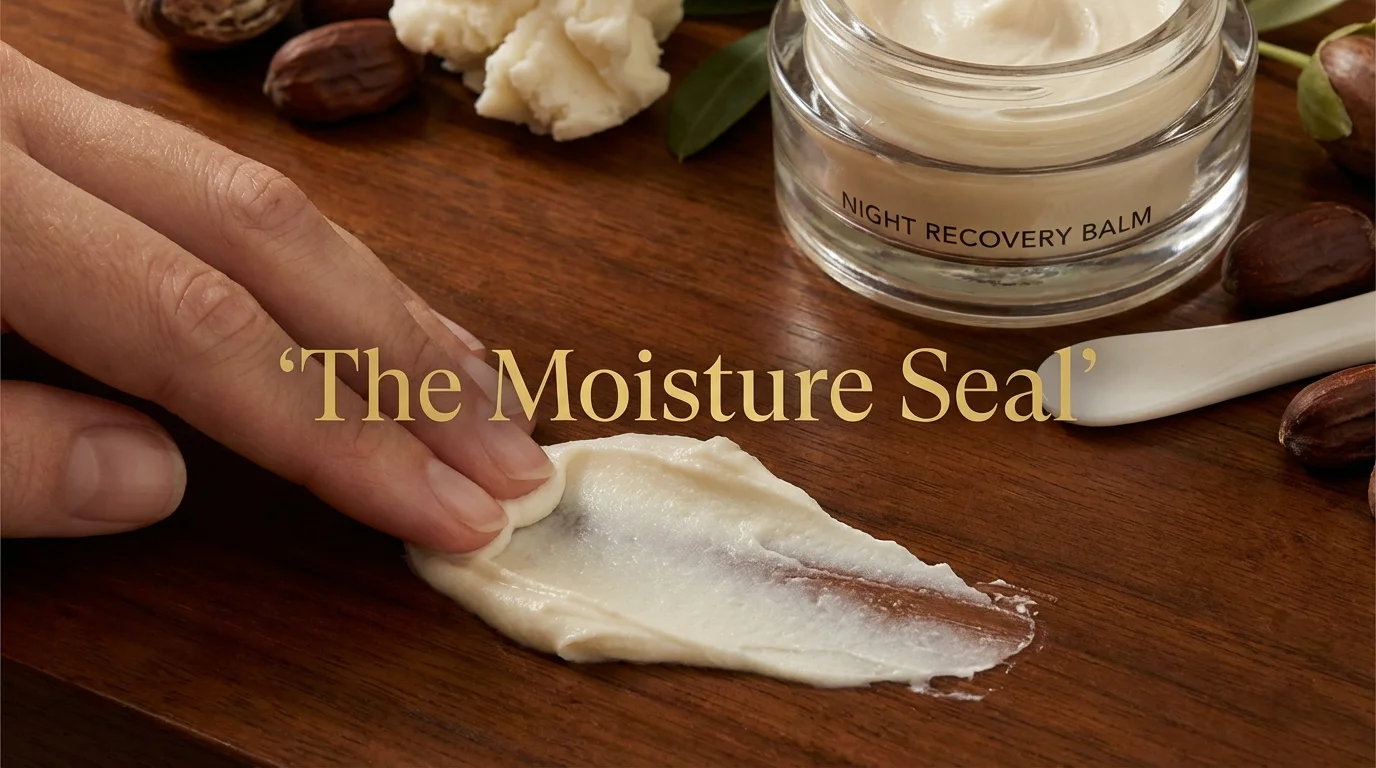
The final step is arguably the most important for the "overnight" aspect of this routine. Without an occlusive layer, the hydration applied in Step 2 will simply evaporate into the dry air of your bedroom, especially if you use air conditioning or heating. The goal of Step 3 is to create a physical seal that prevents TEWL.
We look for a night cream that is significantly richer than a daytime lotion. A high-quality night cream should contain a blend of emollients (which smooth the skin) and occlusives (which seal the skin). Ingredients like shea butter, squalane, and dimethicone are excellent for this purpose. These substances do not necessarily add water to the skin; rather, they ensure that the water you just added stays there.
For those with exceptionally dry skin or those living in harsh climates, we often recommend a final "sealant" in the form of a facial oil or a thin layer of a petroleum-based balm (a technique often referred to as "slugging"). A few drops of rosehip or marula oil pressed over your moisturizer can add an extra layer of antioxidant protection and fatty acids. This creates a pressurized environment on the skin's surface, forcing the active ingredients from your serums to work harder while providing a comforting, protective cocoon.
Essential Ingredients for Maximizing Overnight Moisture Retention
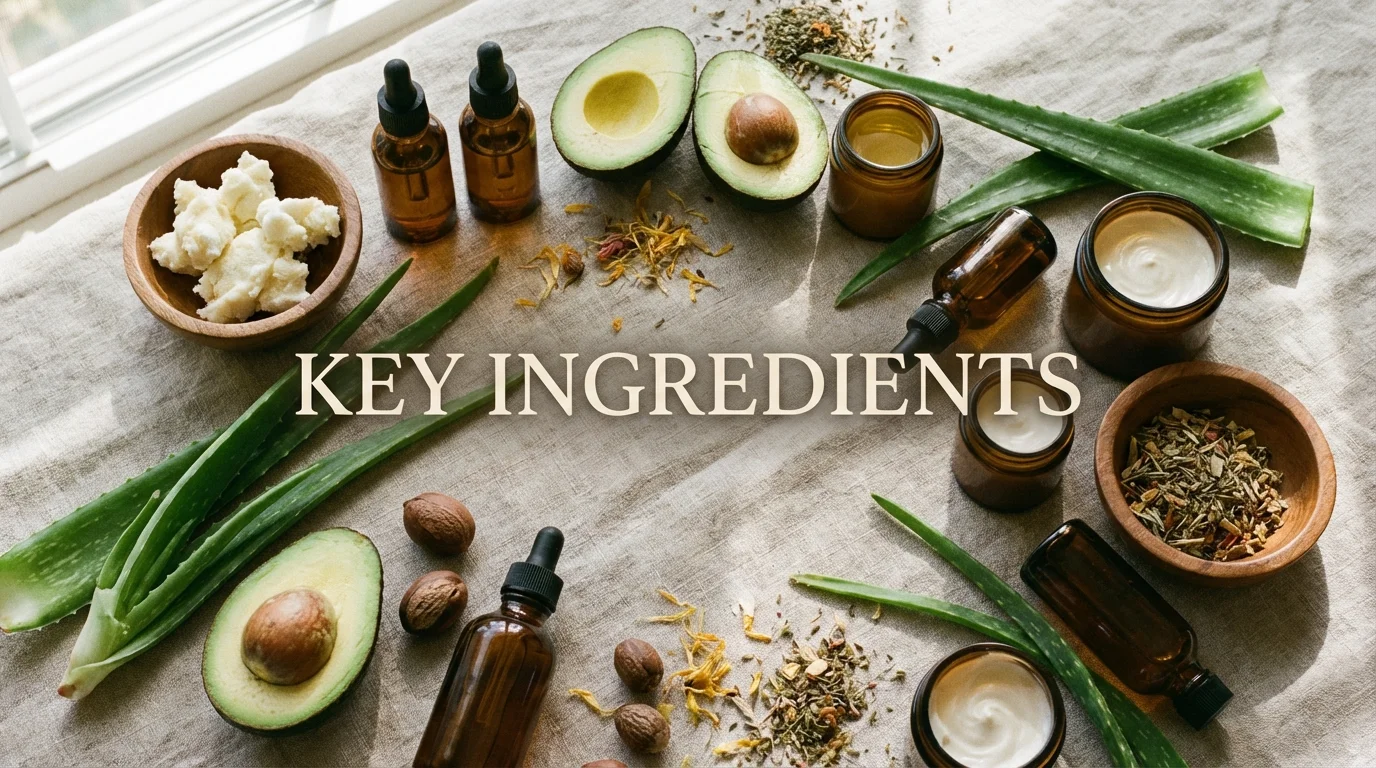
To truly master the 3-step reset, we must be discerning about the ingredients listed on our labels. Not all moisturizers are created equal, and the chemistry behind your products determines whether you wake up with a glow or a breakout.
- Glycerin: Often overlooked, this is one of the most effective humectants available. It mimics the skin's Natural Moisturizing Factor (NMF) and is incredibly well-tolerated by all skin types.
- Squalane: A stable, saturated oil that mimics the sebum naturally produced by our skin. It provides intense emolliency without being comedogenic (pore-clogging).
- Panthenol (Pro-Vitamin B5): This ingredient acts as both a humectant and an anti-inflammatory agent. It is particularly useful for repairing a compromised skin barrier.
- Polyglutamic Acid: A newer favorite in the skincare world, it can hold even more moisture than hyaluronic acid and creates a thin, breathable film on the skin's surface to prevent evaporation.
We recommend looking for products that combine these "moisture magnets" with antioxidants like Vitamin E or Resveratrol. While moisture is the priority, the nighttime window is also the perfect time to neutralize any lingering free radical damage from the day's environmental exposure.
Seasonal Adjustments: Tailoring Your Reset for Summer and Winter

Environmental factors play a massive role in how our skin behaves. Therefore, our 3-step evening reset should be a dynamic process that evolves with the seasons. During the winter months, the air is devoid of humidity, and indoor heating further dehydrates the skin. In this season, we emphasize heavier occlusives and perhaps an extra layer of essence. You might swap a lightweight gel-cream for a dense lipid-replenishing balm.
Conversely, during the summer, high humidity can make heavy creams feel suffocating. However, the air conditioning used to combat the heat is incredibly drying. During these months, we suggest maintaining the 3-step structure but opting for lighter textures. A "water-cream" or a hyaluronic acid-based sleeping mask can provide the necessary moisture seal without the heaviness of traditional butters. The principle remains the same: cleanse, hydrate, and seal—only the weight of the "seal" changes.
Common Mistakes to Avoid During Your Evening Skincare Routine
Even with the best intentions, certain habits can undermine the efficacy of your evening reset. One of the most common errors we observe is over-exfoliation. While removing dead skin cells is vital for glow, doing so every night with harsh acids can damage the lipid barrier, leading to chronic dehydration and sensitivity. We suggest limiting chemical exfoliants (AHAs and BHAs) to two or three nights a week, focusing on pure hydration for the remaining nights.
Another mistake is the misuse of facial oils. Many people apply oil before their water-based moisturizer. Because oil is occlusive, the moisturizer cannot penetrate the oil layer, leaving the water-based nutrients sitting on top of the skin where they eventually evaporate. Always remember: water then oil.
Finally, do not neglect the neck and décolletage. These areas have fewer sebaceous glands than the face and are often the first to show signs of aging and dehydration. We encourage extending every step of the 3-step reset down to the chest to ensure a uniform, youthful appearance.
Conclusion: The Long-Term Benefits of the Evening Reset
Consistency is the ultimate key to dermatological success. By committing to this 3-step evening reset, we are not merely performing a cosmetic ritual; we are supporting the skin's biological imperative to heal and renew. Over time, this disciplined approach to layering results in a stronger skin barrier, reduced fine lines, and a noticeable "lit-from-within" radiance.
When we prioritize locking in moisture overnight, we provide our skin with the resources it needs to defend itself against the stressors of tomorrow. We invite you to view your evening routine as a moment of radical self-care—a transition from the chaos of the world to the sanctuary of sleep, mirrored by the transition of your skin from depletion to abundance. Wake up to the results of strategic care and enjoy the enduring benefits of a perfectly hydrated complexion.