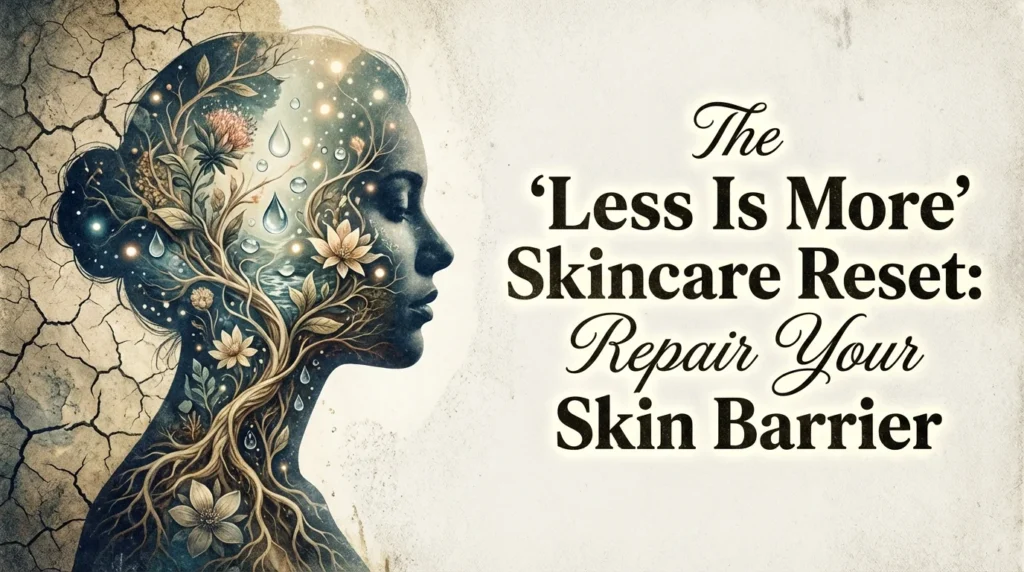
The 'Less Is More' Reset: Why Simplifying Your Skincare Routine Might Be the Key to a Healthier Barrier
In the modern era of beauty, we are frequently bombarded with an exhausting array of innovative active ingredients, multi-step regimens, and the latest "must-have" serums. From the ten-step Korean beauty influence to the aggressive marketing of high-percentage acids, the consumer is often led to believe that more products equate to better results. However, we are witnessing a significant paradigm shift in dermatology and clinical aesthetics. This movement, often referred to as skinimalism, advocates for a fundamental "Less Is More" reset. We believe that the relentless application of complex formulations can often lead to the very issues we seek to resolve: chronic inflammation, sensitivity, and a compromised skin barrier.
The skin is not merely a canvas for cosmetic application; it is a sophisticated, living organ with its own self-regulating mechanisms. When we overwhelm this biological system with excessive exfoliation and competing actives, we disrupt its natural equilibrium. This comprehensive guide explores why stripping back your routine to the essentials is not just a trend, but a physiological necessity for anyone seeking long-term skin health and a resilient, radiant complexion.
Understanding the Physiology of the Skin Barrier
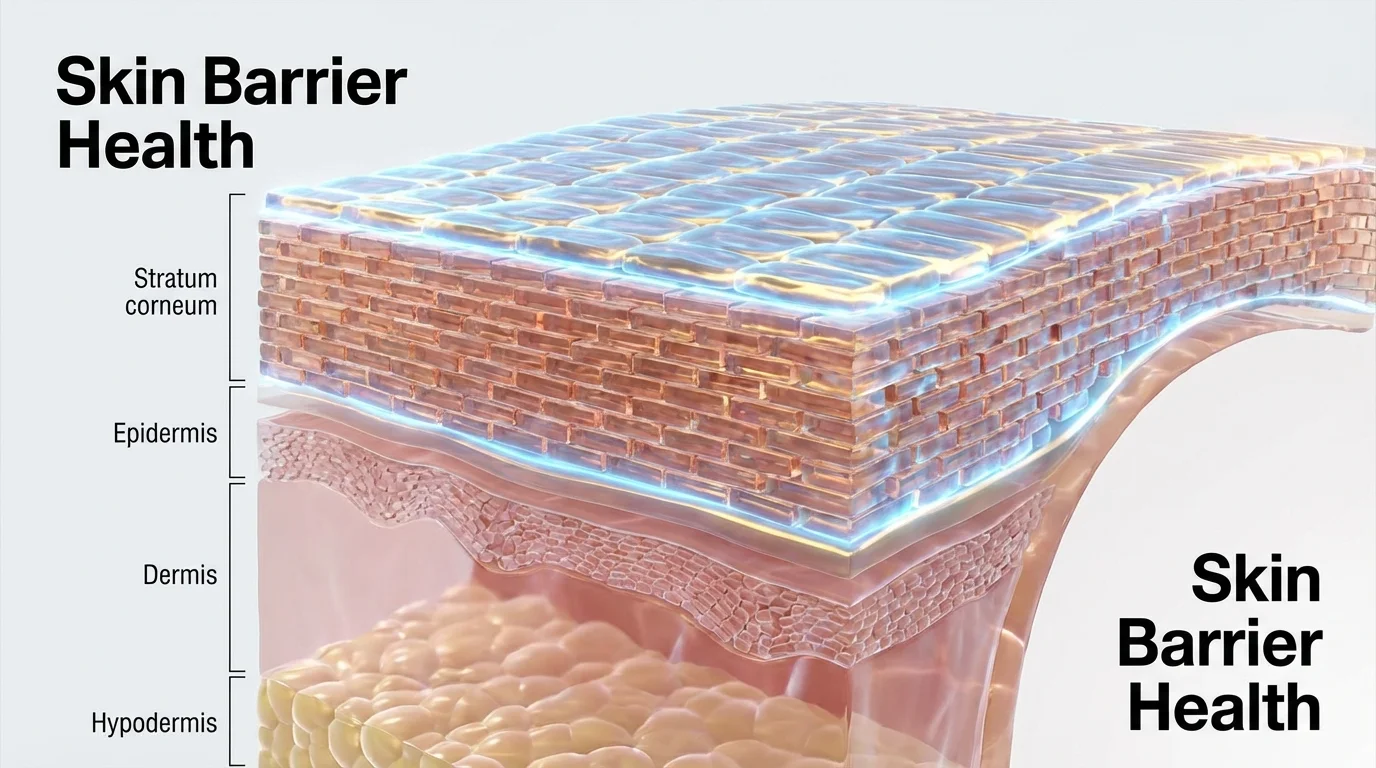
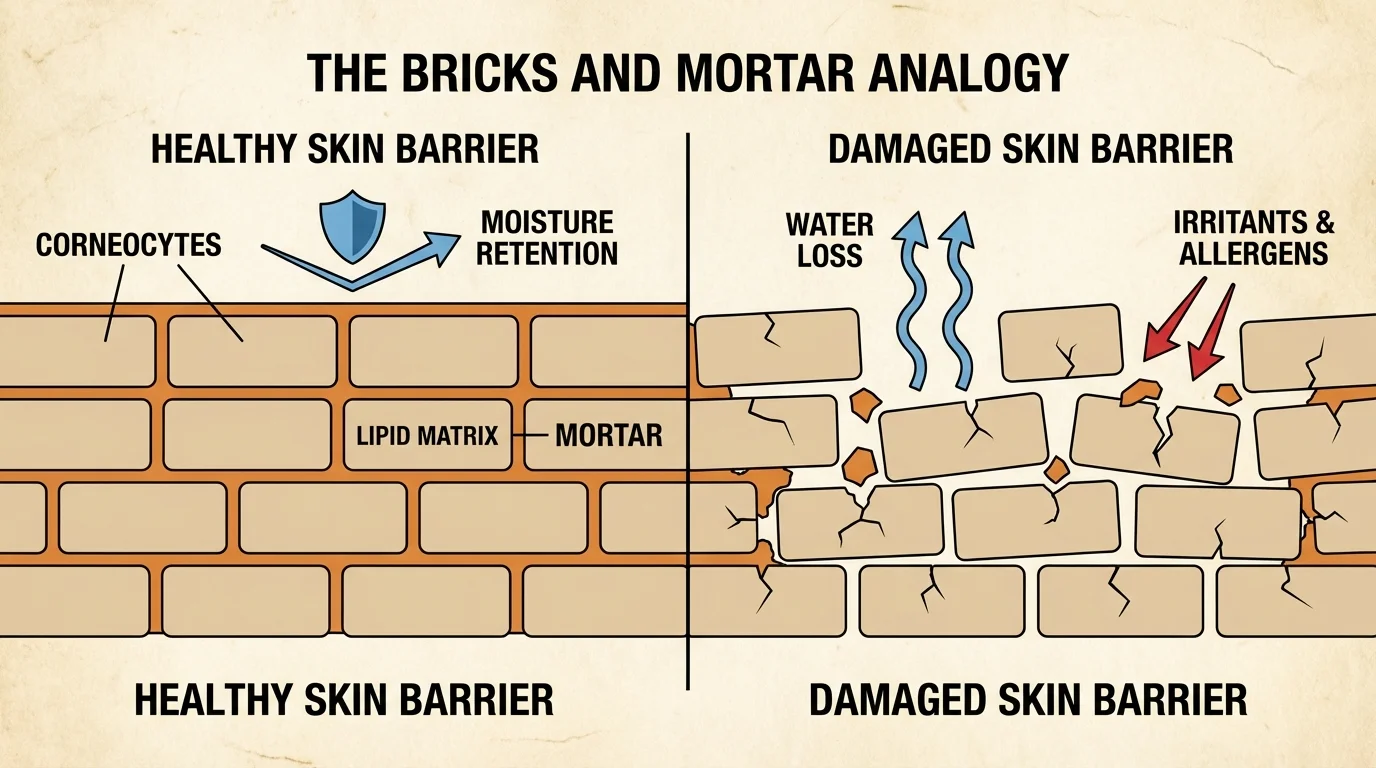
To appreciate the "Less Is More" philosophy, we must first understand the stratum corneum, the outermost layer of the epidermis. Often described using the "bricks and mortar" analogy, the skin barrier consists of corneocytes (the bricks) held together by a complex lipid matrix (the mortar) composed of ceramides, cholesterol, and free fatty acids. This barrier serves two vital functions: it prevents transepidermal water loss (TEWL) and shields the body from external aggressors such as pathogens, pollutants, and irritants.
When we maintain a healthy barrier, our skin appears plump, hydrated, and calm. However, the modern obsession with chemical exfoliants (AHAs, BHAs) and high-strength retinoids can inadvertently dissolve those essential lipids and weaken the cellular bonds. We observe that a compromised barrier manifests as microscopic cracks in the skin's surface. These fissures allow moisture to escape rapidly while permitting irritants to penetrate deeper into the dermis. This biological failure triggers an inflammatory response, leading to the redness and discomfort many associate with "sensitive skin," but which is actually a result of over-processing.
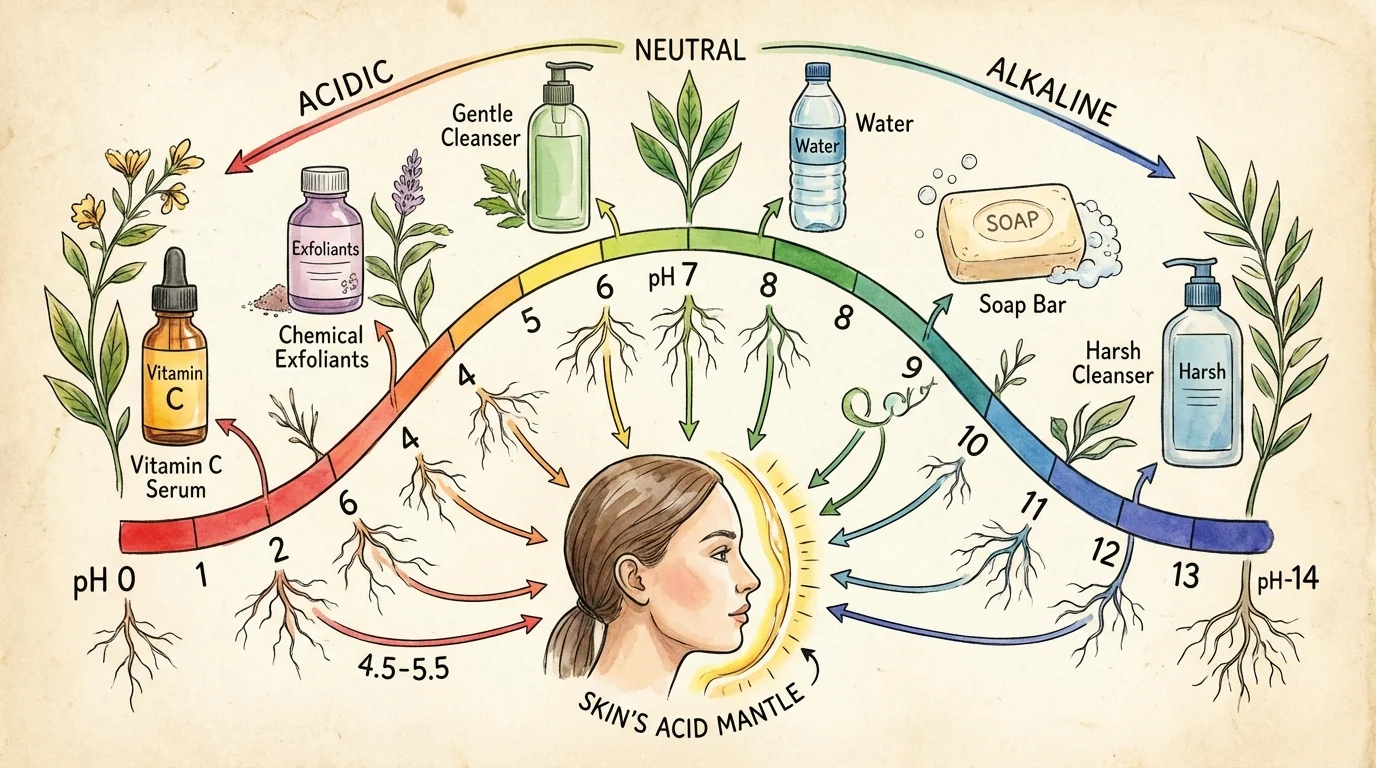
Furthermore, the acid mantle—a thin, slightly acidic film on the skin's surface—plays a crucial role in maintaining the skin microbiome. By constantly applying products with varying pH levels, we disrupt this delicate ecosystem. A healthy microbiome is essential for suppressing the growth of harmful bacteria like C. acnes and Staphylococcus aureus. By simplifying our routine, we allow the skin’s pH to stabilize, fostering a diverse and protective microbial environment that naturally defends against breakouts and dermatitis.
The Hidden Risks of Active Ingredient Overload
The allure of targeted treatments is undeniable. We are often tempted to combine Vitamin C for brightening, Niacinamide for pores, Retinol for aging, and Salicylic Acid for congestion all within a single twenty-four-hour cycle. While these ingredients are clinically proven to be effective, their cumulative effect can be disastrous. We frequently see patients who present with "acquired sensitivity"—a condition where skin that was once resilient becomes reactive to almost everything. This is almost always the result of ingredient competition and over-stimulation.
Many active ingredients are formulated at specific pH levels to remain stable and effective. When we layer multiple products, we risk neutralizing their efficacy or, worse, creating a chemical reaction that induces oxidative stress on the skin. For example, using a low-pH L-ascorbic acid (Vitamin C) alongside a high-pH soap or certain peptides can lead to significant irritation. Moreover, the overuse of penetration enhancers found in many serums means that ingredients are reaching deeper levels of the skin than intended, causing deep-seated inflammation that may not be visible immediately but contributes to premature aging through a process known as "inflammaging."
We must also consider the phenomenon of poly-pharmacy in skincare. Just as taking too many medications can lead to adverse drug interactions, applying too many bioactive compounds can overwhelm the skin's ability to repair itself. The skin becomes stuck in a state of constant defense rather than repair. By initiating a "Less Is More" reset, we remove the "noise" of these competing chemicals, allowing the skin's innate regenerative processes to take center stage once again.
Identifying a Compromised Barrier: The Warning Signs
Recognizing when your skin is screaming for a reset is the first step toward recovery. We often find that users mistake barrier damage for "purging" or a "new breakout," leading them to apply even more harsh treatments, which exacerbates the cycle. A compromised skin barrier has distinct clinical signatures that differ from typical acne or aging concerns. If your skin feels tight or "plastic-like" immediately after cleansing, even if you have used a gentle product, this is a primary indicator of lipid depletion.
Other common symptoms include a stinging or burning sensation when applying products that previously caused no issues—even simple moisturizers. Diffuse redness, localized dry patches that do not respond to hydration, and a sudden increase in reactivity to environmental factors (such as wind or temperature changes) are all hallmarks of a weakened defense system. Paradoxically, a damaged barrier can also lead to increased oiliness. When the skin loses too much water through TEWL, it may overcompensate by producing excess sebum, leading to a complexion that is both dehydrated and oily simultaneously.
Furthermore, we must look for signs of texture irregularities. A healthy barrier provides a smooth, light-reflective surface. When the barrier is damaged, the desquamation process (natural exfoliation) becomes sluggish. This results in a dull, flaky, or "rough" appearance. If you notice that your skin no longer has its natural glow despite using multiple "brightening" products, it is likely that your cellular turnover is being hindered by the very products intended to help. Recognizing these signs early allows us to intervene with a minimalist approach before permanent damage, such as post-inflammatory hyperpigmentation or chronic rosacea, sets in.
The 'Less Is More' Reset: A Step-by-Step Guide
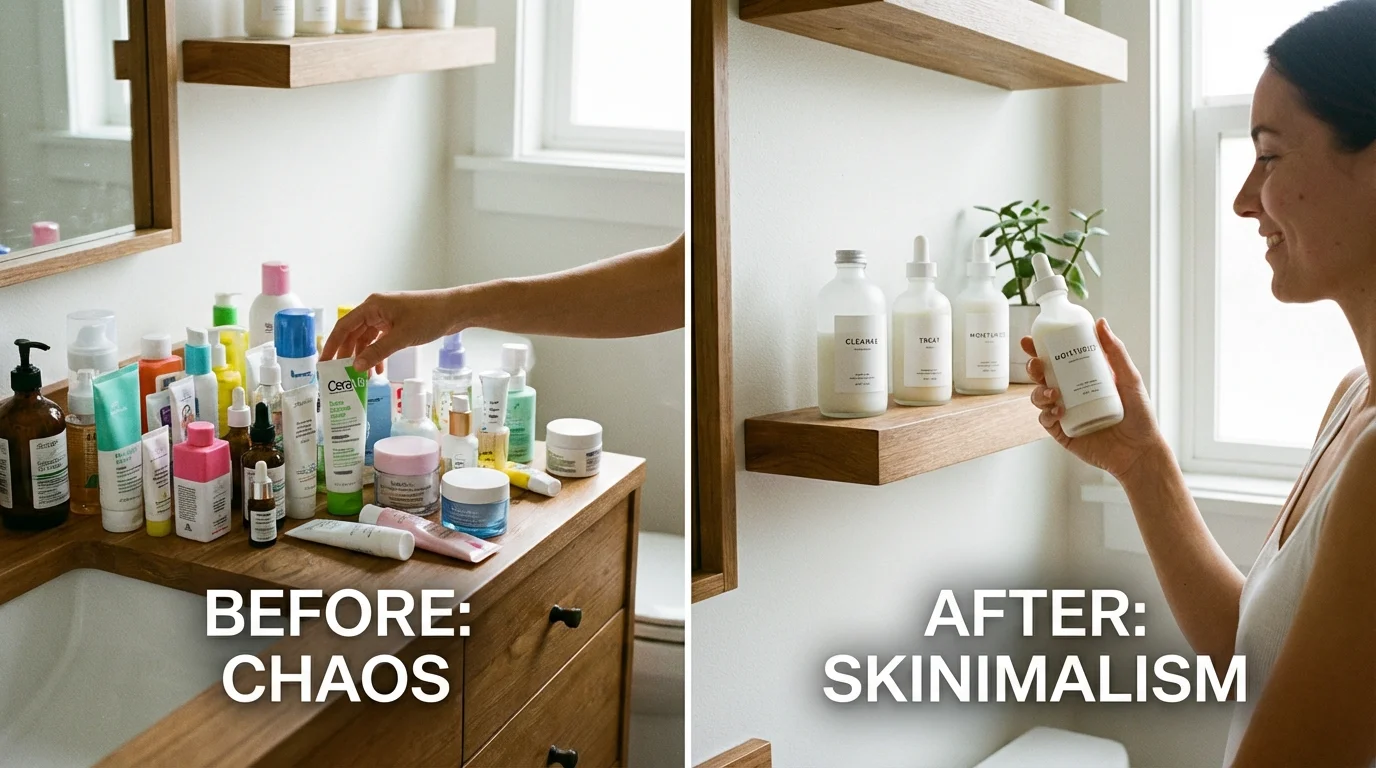
Implementing a skincare reset requires discipline and a temporary abandonment of our desire for "instant" results. The goal of the reset is to return to the biological baseline. We recommend a period of two to four weeks—the duration of a full skin cell cycle—where all "active" treatments are suspended. This means pausing all retinoids, exfoliating acids, Vitamin C serums, and mechanical scrubs. The focus shifts entirely to hydration, protection, and lipid replenishment.
The first step in our reset protocol is the selection of a non-stripping cleanser. We advise opting for a pH-balanced, soap-free, and fragrance-free cream or oil cleanser. The objective is to remove surface impurities and pollutants without disturbing the fragile lipid bilayer. During this phase, cleansing should be limited to once or twice a day; over-cleansing is a common contributor to barrier erosion. In the morning, a simple lukewarm water rinse may be sufficient for many skin types, preserving the natural oils produced overnight.
The second and most critical component is the barrier-repair moisturizer. We look for formulations rich in "skin-identical" ingredients. A minimalist routine is not about using "nothing"; it is about using the right things. A high-quality moisturizer during a reset should contain a ratio of ceramides, cholesterol, and fatty acids that mimics the skin's natural composition. Humectants like Glycerin and Hyaluronic Acid are essential for drawing moisture into the skin, while occlusives like Squalane or petrolatum lock that moisture in. Finally, daily application of a broad-spectrum mineral SPF is non-negotiable. UV radiation is a significant stressor that triggers the production of matrix metalloproteinases (MMPs), enzymes that break down collagen and elastin—further weakening an already stressed barrier.
Essential Ingredients for Barrier Repair and Maintenance
While we advocate for a reduction in the number of products, the quality of ingredients becomes even more paramount. During a "Less Is More" reset, we prioritize ingredients that actively assist in cellular repair and soothe the inflammatory cascade. Ceramides are perhaps the most vital; they make up approximately 50% of the skin’s lipids. Supplementing these topically helps to "plug the gaps" in a damaged barrier. We also emphasize the importance of Niacinamide (Vitamin B3) at low concentrations (2-5%). Niacinamide is a powerhouse for barrier health as it increases the natural production of ceramides and has potent anti-inflammatory properties.
Another group of essential ingredients are Centella Asiatica (Cica) and Panthenol (Pro-vitamin B5). These compounds have been used for centuries in medicinal salves for their ability to accelerate wound healing and reduce transepidermal water loss. They act as "calming agents" that signal the skin to move out of its defensive state. Furthermore, we should not overlook the role of Prebiotics and Probiotics in topical skincare. These ingredients help to rebalance the skin’s microbiome, ensuring that the beneficial bacteria can thrive and outcompete harmful microorganisms that trigger irritation and acne.
We also encourage the use of Fatty Acids, such as Linoleic and Linolenic acid, found in high concentrations in oils like Evening Primrose or Rosehip. These are essential for maintaining the fluidity of the cell membranes. By focusing on these biocompatible ingredients, we provide the skin with the raw materials it needs to reconstruct its protective shield. This targeted approach is far more effective than the "shotgun method" of applying a dozen different unrelated chemicals and hoping for a positive outcome.
Long-Term Benefits of Minimalist Skincare

Transitioning to a minimalist skincare philosophy offers profound benefits that extend beyond mere aesthetics. By embracing the "Less Is More" approach, we foster skin resilience. A skin barrier that is not constantly under siege by harsh actives becomes more capable of defending itself against environmental stressors, such as pollution and blue light. We observe that patients who maintain simpler routines often experience fewer "flare-ups" and a more consistent, dependable complexion. The skin learns to function optimally on its own, rather than becoming "addicted" to external interventions.
From a practical perspective, a simplified routine is significantly more sustainable and cost-effective. We often spend vast sums on the latest "miracle" serums that eventually expire on our bathroom shelves. By investing in a few, high-performance, medically-backed essentials, we reduce consumer waste and financial strain. This "intentional consumption" allows us to prioritize quality over quantity, choosing products with superior formulations and ethical sourcing. Furthermore, a shorter routine is easier to adhere to, ensuring consistency—which is the ultimate key to any successful skincare outcome.
Ultimately, the "Less Is More" reset is a journey toward self-awareness. It encourages us to actually listen to our skin rather than following arbitrary rules dictated by marketing. When we stop the constant cycle of irritation and repair, we allow our skin to reach its true potential: a state of homeostasis where it is naturally hydrated, smooth, and vibrant. We believe that the future of skincare lies not in more products, but in a deeper understanding of the skin's inherent wisdom and a commitment to supporting, rather than overriding, its natural biological functions.